

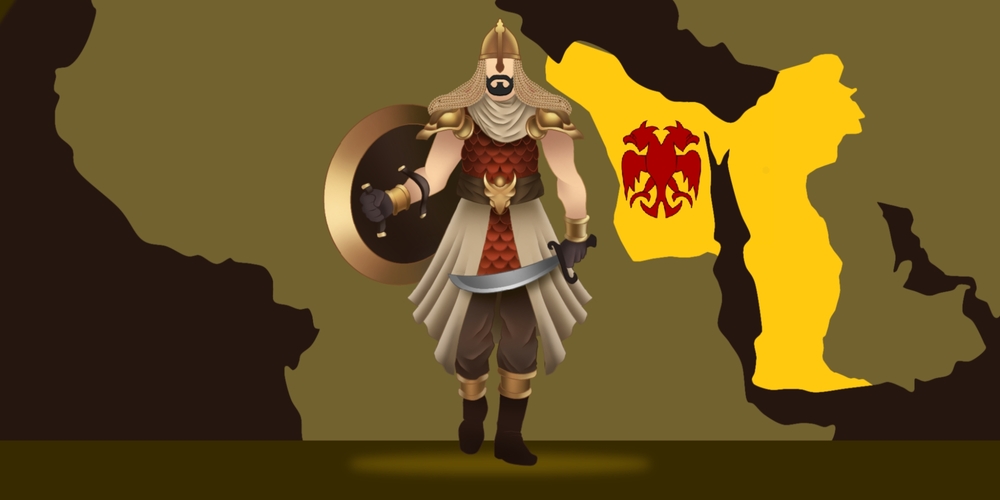
The liberation of Jerusalem Saladin is one of the most iconic events in Islamic history — a triumph that echoes through time and resonates deeply within the Muslim world and beyond. This historic turning point, marking the end of Crusader occupation in the Holy City, was achieved with dignity, strategic brilliance, and profound religious significance. Understanding how this event unfolded and why it continues to matter requires exploring not just the military and political context, but also the spiritual and human elements that made the liberation of Jerusalem Saladin a source of inspiration for generations.
In this comprehensive article, we will explore the life of Saladin, the strategic and spiritual significance of Jerusalem, how the city was recaptured, the lasting legacy of this momentous event, and frequently asked questions that help explain the broader historical and cultural dimensions of the Liberation of Jerusalem.
Who Was Saladin?
Saladin, known in Arabic as Ṣalāḥ ad-Dīn al-Ayyūbī, was a Kurdish Muslim military leader and the founder of the Ayyubid dynasty. Rising to prominence during a period of intense conflict between Crusader states and Islamic powers in the Middle East, Saladin became recognized not only for his military acumen but also for his leadership, honor, and chivalry.
Saladin’s life was dedicated to defending Islamic lands and unifying Muslim forces against external incursions. His leadership reached its zenith with the liberation of Jerusalem Saladin, an achievement that marked a decisive change in the balance of power in the region.
Understanding the Context: What Is the Story Behind Jerusalem?
To grasp the meaning of the liberation of Jerusalem Saladin, we must first ask: what is the story behind Jerusalem? Jerusalem is one of the oldest and most sacred cities in human history, revered by Muslims, Christians, and Jews alike. Its spiritual significance predates the Islamic era, yet in Islamic tradition it holds a special place as the location of Al-Aqsa Mosque, the first Qibla (direction of prayer), and a site connected to the Prophet Muhammad’s miraculous Night Journey (Isra and Mi’raj).
For centuries, Jerusalem was a focal point of pilgrimage, scholarship, and spiritual devotion. Its capture by European Crusaders in 1099 was a deeply traumatic moment for Muslims and marked the beginning of decades of conflict aimed at reclaiming the city. This ongoing struggle culminated in the liberation of Jerusalem Saladin nearly a century later.
The Road to Jerusalem
Saladin’s rise to power came during the late 12th century, a time of fragmentation among Muslim rulers and military pressure from Crusader states established in the Levant. Demonstrating remarkable leadership, Saladin united rival factions and consolidated political authority across Egypt and Syria. His objective was clear: to challenge the Crusader presence and secure Muslim lands.
By the time he advanced toward Jerusalem, Saladin had already defeated Crusader armies in several key battles. His strategy combined diplomacy with military precision, enabling him to gather alliances and resources that would be essential for the final campaign against the Crusader stronghold in Jerusalem.
The Siege of Jerusalem
The liberation of Jerusalem Saladin was not the result of a simple military conquest — it was the climax of a thoughtful and sustained campaign. Saladin’s forces encircled the city and applied pressure through tactical positioning, patience, and negotiation. While exact details differ among historical accounts, what remains clear is that Saladin sought to minimize unnecessary bloodshed and protect the civilians caught in the conflict.
Jerusalem had long been fortified and defended, making it difficult to seize by force alone. What distinguished Saladin’s approach was his willingness to engage in terms of surrender that would honor human dignity. Faced with the reality of overwhelming forces and strategic isolation, the Crusader defenders eventually agreed to surrender the city under negotiated conditions.
The Moment of Liberation
When Saladin entered Jerusalem, the liberation of Jerusalem Saladin became more than a military victory; it was a moment of spiritual resurgence and collective relief for Muslims across the region. The city was reclaimed without the massacre that had marked its earlier capture by the Crusaders in 1099.
Under Saladin’s governance, Christians and Jews were granted safety and the right to leave with their belongings if they chose to do so, while others could remain under protected status. This act of magnanimity became one of the most celebrated aspects of the liberation of Jerusalem Saladin, reflecting his commitment to justice and mercy — values deeply rooted in Islamic teachings.
Jerusalem’s Significance in the Islamic World
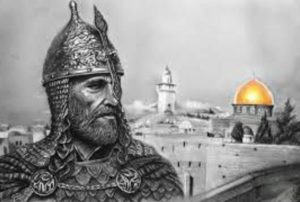
When discussing what is the story behind Jerusalem, it is essential to recognize that the city holds unique religious and cultural significance for Muslims. Jerusalem is not only a physical location but a symbol of connection to faith, history, and shared heritage.
For Muslims, Jerusalem was the first direction of prayer (Qibla) and later became closely connected to the Prophet’s Night Journey — an event that signifies spiritual elevation and divine communication. The liberation of Jerusalem Saladin therefore represented not just a territorial victory but the restoration of dignity and spiritual significance for millions of believers.
Governance After Liberation
After the victory, Saladin’s leadership extended beyond military success to effective governance. The liberation of Jerusalem Saladin ushered in a period of reconstruction, stability, and revitalization. Religious institutions were reopened and restored, markets were revived, and scholars once again gathered to study and teach.
Saladin’s policies emphasized inclusivity and fair treatment. Rather than imposing punitive measures, his administration worked toward rebuilding social cohesion and ensuring that life could resume with a sense of purpose and dignity for all inhabitants. This humane approach ensured that Jerusalem remained a thriving center of spiritual and cultural life.
Legacy of the Liberation
The liberation of Jerusalem Saladin is remembered not only for its strategic victory but also for its demonstration of ethical leadership. This moment shaped subsequent interactions between civilizations and left an enduring imprint on collective memory. Through poetry, art, religious discourse, and historical reflection, Saladin’s liberation of Jerusalem became a symbol of resilience, faith, and moral authority.
Even today, Muslim communities around the world honor and recount the liberation of Jerusalem Saladin, drawing lessons about leadership, patience, and the pursuit of justice in the face of adversity.
Why It Still Matters Today
Centuries after the liberation of Jerusalem Saladin, the city continues to be a focal point in global discussions about heritage, identity, and coexistence. Its ongoing significance is rooted in its multi-religious history and its place at the crossroads of cultures. Understanding this event allows us to appreciate how history shapes modern perspectives on religion, politics, and human dignity.
The Liberation of Jerusalem remains a testament to the power of strategic vision anchored in ethical principles — a lesson that transcends time and geography.
Conclusion
The liberation of Jerusalem Saladin was far more than a military event — it was a defining chapter in the tapestry of Islamic history. This remarkable achievement restored spiritual pride, reshaped regional dynamics, and demonstrated how leadership rooted in compassion and wisdom can transform the course of history.
Jerusalem’s long and complex story — shaped by empires, prophets, saints, and warriors — reflects humanity’s shared longing for peace and meaning. The liberation of Jerusalem Saladin stands as a reminder that history is not only about conquest but about justice, reconciliation, and enduring legacy.
FAQs
What was the liberation of Jerusalem Saladin?
The liberation of Jerusalem Saladin refers to the event in which Saladin recaptured Jerusalem from Crusader control in the late 12th century.
When did Saladin achieve the Liberation of Jerusalem?
Saladin completed the Liberation of Jerusalem in 1187 CE after a strategic campaign against Crusader states.
Why is Jerusalem important in Islamic history?
Jerusalem is significant because of its religious heritage, connection to the Prophet’s Night Journey, and status as a central spiritual site for Muslims — a context underlying why discussions about what is the story behind Jerusalem remain vital.
How was the city captured?
Saladin’s forces surrounded and negotiated the surrender of Jerusalem, securing its release with minimal bloodshed.
What happened to the people of Jerusalem after its liberation?
Many inhabitants were offered safe departure or protected status, reflecting Saladin’s emphasis on mercy and fairness.