

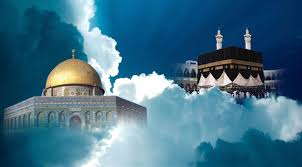
The miraculous night journey stands as one of the most extraordinary events in Islamic history, marking a pivotal moment in the life of Prophet Muhammad and the development of Islamic faith. This celestial voyage, known as Isra and Miraj, transcended the boundaries of physical reality and offered profound spiritual insights that continue to inspire Muslims worldwide. Understanding this remarkable event requires examining both its spiritual significance and the historical context in which it occurred.
What is the Miraculous Night Journey?
The miraculous night journey refers to the Prophet Muhammad’s overnight journey from Mecca to Jerusalem and then his ascension through the heavens. This event, which Islamic tradition places around the year 621 CE, occurred during one of the most challenging periods of the Prophet’s mission. The journey consisted of two distinct parts:
Isra – The Night Journey:
- Transportation from the Sacred Mosque in Mecca to Al-Aqsa Mosque in Jerusalem
- Traveled on a celestial creature called Buraq
- Covered vast distances in a single night
- Led prayers with all the previous prophets in Jerusalem
Mi’raj – The Ascension:
- Ascension through the seven heavens
- Meeting with previous prophets at different levels
- Experiencing the divine presence
- Receiving the commandment of five daily prayers
This isra and miraj the miraculous night journey represented not just a physical voyage but a profound spiritual experience that would shape Islamic practice forever. The event occurred during a period when the Prophet faced intense persecution in Mecca, having recently lost his beloved wife Khadijah and his protective uncle Abu Talib.
The Spiritual Significance
The miraculous night journey carries multiple layers of meaning within Islamic theology. At its core, it demonstrated several crucial spiritual truths that Arabian Tongue scholars have explored throughout Islamic history.
First, the journey proved the Prophet’s unique status among humanity. No other human being had experienced such direct divine proximity while maintaining their human form. This special honor validated his prophethood and distinguished him as the final messenger.
Second, the establishment of the five daily prayers during this journey emphasizes their supreme importance in Islamic practice. Originally commanded to pray fifty times daily, the number was reduced to five through the Prophet’s intercession, yet these five prayers retain the reward of fifty, demonstrating divine mercy and practical wisdom.
The journey also revealed:
- The interconnectedness of all prophetic missions
- The unity of divine revelation across time
- The transcendent nature of spiritual reality
- The possibility of experiencing beyond physical limitations
Third, the miraculous night journey served as divine consolation during the Prophet’s most difficult period. When earthly support seemed to vanish, heavenly validation arrived, strengthening his resolve to continue his mission despite overwhelming opposition.
The Quraysh’s Stance on the Isra and Mi’raj Journey
When Prophet Muhammad returned from the miraculous night journey and shared his experience, the Quraysh’s stance on the Isra and Mi’raj journey revealed the deep divide between faith and skepticism. The ruling tribe of Mecca, already hostile to the Prophet’s message, found this account particularly incredulous.
The Quraysh’s reaction manifested in several ways. Many openly mocked the Prophet, considering his claim impossible and using it as evidence of delusion. They argued that such a journey defied all known physical laws and human capabilities. Some demanded proof, asking the Prophet to describe Jerusalem’s architecture, which he did accurately despite never having visited the city before that night.
The Quraysh’s objections included:
- The impossibility of covering such vast distances overnight
- Skepticism about ascending through the heavens
- Doubt about meeting deceased prophets
- Disbelief in the supernatural elements of the account
However, the Quraysh’s stance on the Isra and Mi’raj journey wasn’t uniformly negative. The event actually became a test of faith for the early Muslim community. Some weaker believers, unable to reconcile the account with their understanding of reality, abandoned Islam. Yet the core believers, led by Abu Bakr, who earned the title “Al-Siddiq” (The Truthful) through his unwavering acceptance, remained steadfast.
Abu Bakr’s famous response when asked if he believed the Prophet’s account exemplified true faith: “If he said it, then it is true. I believe him in matters of revelation from heaven to earth, so why should I not believe him about this?”
The Quraysh’s skepticism actually served a purpose in Islamic tradition. It demonstrated that faith requires accepting truths beyond immediate empirical verification. The miraculous night journey challenged people to expand their understanding of reality and recognize that divine power transcends human comprehension.
Historical Context and Timing

Understanding when the miraculous night journey occurred helps appreciate its significance. The event took place during what Muslims call the “Year of Sorrow,” approximately three years before the Prophet’s migration to Medina. This timing was crucial for several reasons.
The Prophet had recently experienced devastating personal losses. His wife Khadijah, his greatest supporter and confidante, had passed away. Shortly after, his uncle Abu Talib, who provided crucial tribal protection, also died. These losses left the Prophet vulnerable both emotionally and politically.
Additionally, the Prophet had just returned from Ta’if, where he sought support but faced violent rejection. Physically injured and spiritually exhausted, he found little respite in Mecca, where persecution intensified. In this context, the miraculous night journey represented divine intervention at humanity’s lowest point.
The Journey’s Impact on Islamic Practice
The miraculous night journey fundamentally shaped Islamic religious practice in ways that extend far beyond its immediate narrative. The establishment of the five daily prayers created a direct, unmediated connection between every Muslim and the divine, occurring at specific times throughout the day.
The journey influenced Islamic practice through:
- Establishing prayer as the pillar of faith
- Creating the direction of prayer (Qibla) connection to Jerusalem initially
- Demonstrating the spiritual significance of Al-Aqsa Mosque
- Providing a model of prophetic intercession and divine mercy
The event also established Jerusalem’s sacred status in Islam, making it the third holiest city after Mecca and Medina. The Prophet’s prayer leadership among all previous prophets in Jerusalem symbolized Islam’s position as the culmination of monotheistic tradition.
Furthermore, the miraculous night journey provided believers with a framework for understanding spiritual experiences. It validated the existence of realities beyond physical perception and encouraged Muslims to pursue spiritual elevation while maintaining their earthly responsibilities.
Lessons from the Miraculous Journey
The isra and miraj the miraculous night journey offers timeless lessons relevant to contemporary Muslims. The event teaches that divine support arrives precisely when human resources fail. When the Prophet lost his most significant supporters, heaven opened its gates, demonstrating that ultimate reliance should be on divine power, not human strength.
The journey also illustrates the importance of perseverance through hardship. Rather than abandoning his mission during the Year of Sorrow, the Prophet’s commitment was rewarded with the most extraordinary spiritual experience. This teaches that maintaining faith during trials often precedes divine blessings.
Additionally, the reduction of prayers from fifty to five demonstrates divine mercy and practical wisdom. Allah knows human capacity and provides commandments that challenge but don’t overwhelm believers, showing that Islamic law considers human nature and limitations.
Conclusion
The miraculous night journey remains one of Islam’s most profound events, combining historical significance with deep spiritual meaning. This isra and miraj the miraculous night journey tested faith, established essential Islamic practices, and demonstrated divine support during the Prophet’s most challenging period. Despite the Quraysh’s stance on the Isra and Mi’raj journey being largely skeptical, their rejection only strengthened the believers’ faith and distinguished those with genuine conviction from those with weak commitment.
Today, Muslims commemorate this event annually, remembering that divine power transcends human understanding and that spiritual realities exist beyond physical perception. The miraculous night journey continues to inspire believers to maintain faith through hardship, recognizing that divine support arrives when needed most, often in ways that exceed human imagination.
FAQs
What is the miraculous night journey in Islam?
The miraculous night journey refers to Prophet Muhammad's overnight voyage from Mecca to Jerusalem (Isra) and his subsequent ascension through the heavens (Mi'raj), during which he received the commandment of five daily prayers.
How did the Quraysh react to the night journey?
The Quraysh's stance on the Isra and Mi'raj journey was largely skeptical and mocking, with many rejecting the account as impossible, though it served as a test distinguishing sincere believers from doubters.
When did the miraculous night journey occur?
According to Arabian Tongue historical accounts, it occurred around 621 CE during the Year of Sorrow, approximately three years before the Prophet's migration to Medina.
Why is the night journey important in Islam?
The journey established the five daily prayers, validated the Prophet's status, demonstrated divine support during hardship, and affirmed Jerusalem's significance as Islam's third holiest city.