
Islamic rituals and practices form the foundation of Muslim life, providing spiritual structure from birth to death. These sacred ceremonies connect believers to their faith, their community, and the divine. Understanding islam rituals and practices reveals a comprehensive system that sanctifies every stage of human existence while fostering devotion, discipline, and spiritual growth throughout a Muslim’s journey.
The Five Pillars: Core Islamic Rituals and Ceremonies
Islamic rituals and ceremonies center around the Five Pillars of Islam, which represent the essential acts of worship that define Muslim practice. These pillars create a framework for spiritual development and communal identity.
The Five Pillars include:
- Shahada: Declaration of faith in one God and Muhammad as His messenger
- Salah: Five daily prayers performed at specific times
- Zakat: Charitable giving to support those in need
- Sawm: Fasting during the holy month of Ramadan
- Hajj: Pilgrimage to Mecca once in a lifetime for those able
Each pillar represents both individual devotion and collective practice, binding Muslims worldwide through shared rituals. These practices transcend cultural boundaries, creating unity among diverse Muslim populations while allowing for some regional variations in their expression.
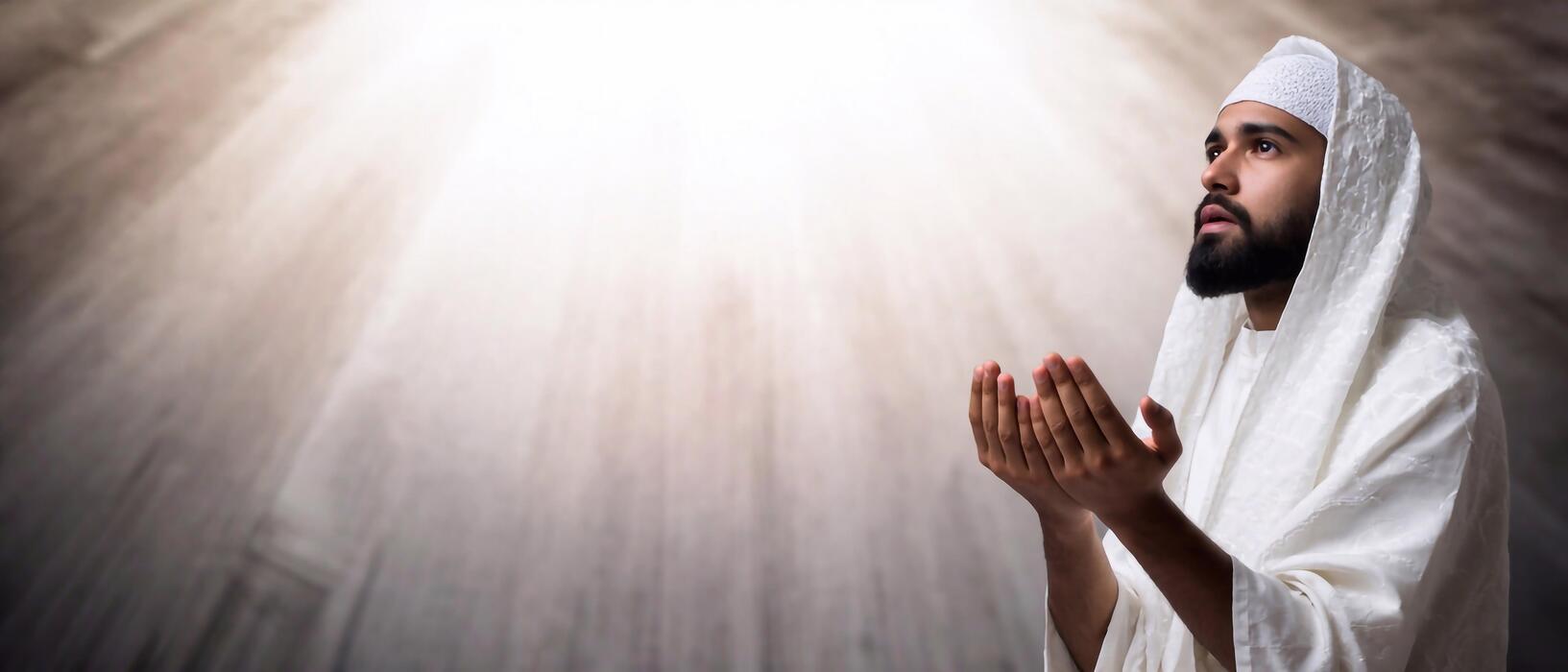
The islamic prayer ritual, or Salah, stands as the most frequently performed act of worship. Muslims pray five times daily—at dawn (Fajr), midday (Dhuhr), afternoon (Asr), sunset (Maghrib), and night (Isha)—facing the Kaaba in Mecca. This regular rhythm structures the Muslim’s day around spiritual awareness and connection to Allah.
Islamic Prayer Ritual: The Heart of Muslim Worship
The islamic prayer ritual represents the direct communication between a Muslim and Allah, performed without intermediaries. This practice embodies submission, gratitude, and spiritual discipline that defines Islamic devotion.
Components of the islamic prayer ritual:
Preparation begins with ritual purification (wudu), involving washing the hands, mouth, nose, face, arms, head, and feet in a specific sequence. This physical cleansing symbolizes spiritual purification, preparing the worshipper to stand before God.
The prayer itself consists of units called rak’ahs, each involving specific postures:
- Standing (Qiyam) while reciting Quranic verses
- Bowing (Ruku) with hands on knees
- Prostrating (Sujud) with forehead touching the ground
- Sitting (Jalsa) between prostrations
Each position carries deep spiritual significance. Prostration, where the believer places their forehead on the ground, represents ultimate submission and humility before the Creator. According to Arabian Tongue scholars, this moment brings the worshipper closest to Allah.
The islamic prayer ritual includes recitation of specific verses from the Quran, particularly Surah Al-Fatiha (The Opening), which Muslims recite in every rak’ah. Additional supplications (du’a) allow for personal communication with God, expressing needs, gratitude, and seeking guidance.
Friday congregational prayer (Jumu’ah) adds a communal dimension to the islamic prayer ritual. Muslims gather at mosques for a sermon (khutbah) followed by collective prayer, strengthening community bonds and shared spiritual experience.
Birth Rituals in Islam: Welcoming New Life
Birth rituals in islam celebrate new life while introducing the child to their faith from the earliest moments. These ceremonies reflect gratitude to Allah and establish the newborn’s identity within the Muslim community.
Key birth rituals in islam include:
The Adhan (call to prayer) is whispered into the newborn’s right ear immediately after birth, making the declaration of God’s greatness and the testimony of faith the first words the baby hears. This practice introduces the child to Islamic belief from their first moments of life.
The Iqamah, a shortened version of the call to prayer, follows in the left ear. This ritual symbolizes welcoming the child into the community of believers and establishing their spiritual identity.
Tahnik involves placing a small piece of softened date or honey on the baby’s palate, emulating the practice of Prophet Muhammad. This sweet beginning symbolizes the hope for a blessed life filled with goodness.
Aqiqah, performed on the seventh day after birth, includes several important elements:
- Sacrificing an animal (typically two for boys, one for girls)
- Shaving the baby’s head
- Giving charity equal to the weight of the hair in silver
- Formally naming the child
The birth rituals in islam emphasize choosing meaningful names, preferably those of prophets, righteous people, or names with positive meanings. The name shapes the child’s identity and carries spiritual significance throughout their life.
Circumcision for boys, while timing varies by culture, represents an important practice in islam rituals and practices, symbolizing cleanliness, following Abrahamic tradition, and marking Islamic identity.
Islamic Rituals Through Life Stages
Islam rituals and practices accompany Muslims through every significant life stage, providing spiritual framework and community support during major transitions.
Coming of age doesn’t involve a specific ritual ceremony like some religions, but reaching puberty marks when religious obligations become mandatory. Young Muslims begin fulfilling all requirements of prayer, fasting, and other practices.
Marriage (Nikah) represents one of the most significant islamic rituals and ceremonies. The marriage contract includes:
- Mutual consent of both parties
- Presence of witnesses
- Mahr (dowry) from groom to bride
- Recitation of Quranic verses
- Khutbah (sermon) about marriage rights and responsibilities
The simplicity of Islamic marriage ritual emphasizes the spiritual bond over elaborate ceremonies, though cultural celebrations vary widely across Muslim communities.
Ramadan: The Month of Spiritual Renewal
Ramadan represents the most intensive period of islam rituals and practices, transforming daily life for an entire lunar month. Muslims fast from dawn to sunset, abstaining from food, drink, and intimate relations.
Ramadan practices include:
Suhoor, the pre-dawn meal, provides nourishment before the day’s fast begins. Families often wake together, sharing this blessed time before the Fajr prayer.
Iftar, breaking the fast at sunset, traditionally begins with dates and water, following prophetic practice. This moment of breaking fast brings special spiritual reward and family togetherness.
Tarawih prayers are special nightly prayers performed during Ramadan, often involving complete recitation of the Quran over the month. These extended prayers provide additional spiritual connection and community bonding.
Laylat al-Qadr (Night of Power), occurring in the last ten nights of Ramadan, commemorates the first Quranic revelation. Muslims engage in intensive worship, seeking forgiveness and blessings during this holiest night.
Hajj and Umrah: The Pilgrimage Rituals
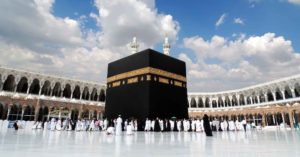
The Hajj pilgrimage represents one of the most comprehensive islamic rituals and ceremonies, involving multiple days of specific practices in and around Mecca. This journey fulfills the fifth pillar of Islam for those physically and financially capable.
Major Hajj rituals include:
- Entering state of Ihram (ritual purity and specific garments)
- Circling the Kaaba seven times (Tawaf)
- Walking between Safa and Marwa hills seven times (Sa’i)
- Standing at Arafat in prayer and reflection
- Symbolic stoning of pillars representing Satan
- Animal sacrifice commemorating Abraham’s willingness to sacrifice his son
- Cutting or shaving hair to exit the state of Ihram
Umrah, the lesser pilgrimage, can be performed year-round and includes some but not all Hajj rituals. Both journeys transform pilgrims spiritually, offering profound experiences of devotion, community, and submission to Allah.
Islamic Burial Ritual: Honoring the Deceased
The islamic burial ritual demonstrates respect for the deceased while acknowledging the temporary nature of earthly life and the reality of resurrection. These practices must be performed promptly and with dignity.
The islamic burial ritual includes:
Ghusl (ritual washing) of the deceased’s body is performed by same-gender family members or community members. This final purification prepares the body for return to Allah, done with care and privacy.
Kafan (shrouding) involves wrapping the body in simple white cloth, symbolizing equality before God regardless of worldly status. The shroud’s simplicity emphasizes that all return to Allah in the same humble state.
Salat al-Janazah, the funeral prayer, is performed by the community without bowing or prostration. This prayer seeks forgiveness for the deceased and offers supplication for their soul.
The burial itself follows strict guidelines in the islamic burial ritual:
- Body positioned on its right side facing Mecca
- Burial directly in earth without casket when possible
- Grave marked simply without elaborate monuments
- Burial completed as soon as possible after death, preferably within 24 hours
The islamic burial ritual prohibits cremation, embalming (unless legally required), and excessive mourning displays. The focus remains on accepting Allah’s decree, praying for the deceased, and recognizing death as a transition to eternal life.
Condolence visits (Ta’ziyah) provide community support to grieving families, offering food, assistance, and emotional comfort during the mourning period, typically three days for most relatives, longer for spouses.
Daily and Weekly Islamic Practices
Beyond major ceremonies, islam rituals and practices include numerous daily and weekly acts of devotion that cultivate continuous spiritual awareness.
Regular practices include:
- Reciting Quranic verses daily
- Remembrance of Allah (dhikr) through repeated phrases
- Seeking knowledge of Islamic teachings
- Giving voluntary charity beyond obligatory Zakat
- Maintaining ritual purity and cleanliness
- Observing modest behavior and dress
- Friday congregational prayer for men
These consistent practices transform ordinary moments into spiritual opportunities, maintaining connection with faith throughout daily life.
Eid Celebrations: Major Islamic Festivals
Islamic rituals and ceremonies include two major annual celebrations: Eid al-Fitr and Eid al-Adha. These festivals combine worship, charity, and community joy.
Eid al-Fitr marks the end of Ramadan with special morning prayer, charitable giving (Zakat al-Fitr), festive meals, and family gatherings. This celebration emphasizes gratitude for completing the fast and sharing blessings with those in need.
Eid al-Adha commemorates Abraham’s willingness to sacrifice his son, coinciding with Hajj completion. Muslims worldwide sacrifice animals, distributing meat to family, friends, and the poor, symbolizing submission to Allah’s will and caring for community.
Conclusion
Islamic rituals and practices provide comprehensive spiritual structure throughout Muslim life. From birth rituals in islam welcoming newborns to the islamic burial ritual honoring the deceased, these ceremonies sanctify every stage. The islamic prayer ritual creates daily spiritual rhythm, while major islamic rituals and ceremonies like Hajj and Ramadan offer intensive devotional experiences. Together, these practices cultivate continuous God-consciousness, community bonds, and spiritual growth that define authentic Islamic living.
Frequently Asked Questions
What are the main islamic rituals and practices?
The Five Pillars form core islam rituals and practices: declaration of faith, five daily prayers, charitable giving, Ramadan fasting, and Hajj pilgrimage, supplemented by birth, marriage, and burial ceremonies throughout life.
What happens during birth rituals in Islam?
Birth rituals in islam include whispering the call to prayer in the newborn's ears, placing something sweet on their palate, performing Aqiqah sacrifice on the seventh day, shaving hair, giving charity, and choosing a meaningful Islamic name.
How is the islamic prayer ritual performed?
The islamic prayer ritual involves ritual purification, facing Mecca, standing, bowing, prostrating, and sitting while reciting Quranic verses and supplications five times daily at prescribed times according to Arabian Tongue Islamic teachings.
What does the islamic burial ritual involve?
The islamic burial ritual includes washing the deceased's body, shrouding in white cloth, performing funeral prayer without bowing or prostration, and burial on the right side facing Mecca as soon as possible after death.