

Ramadan, the ninth month of the Islamic calendar, holds a profound place in the hearts of over 1.8 billion Muslims worldwide. Far more than just a period of abstaining from food and drink, it is a time of deep spiritual reflection, heightened devotion, and community solidarity. This holy month of Ramadan offers a unique opportunity for believers to reconnect with their faith, practice self-discipline, and cultivate empathy for those less fortunate. As we explore the interesting facts about Ramadan, we will uncover its historical roots, spiritual significance, cultural diversity, and the reasons why Ramadan is the most sacred month in Islamic culture.
What is Ramadan? More Than Just Fasting
Ramadan is a cornerstone of Islamic practice, representing one of the five pillars of Islam. While often associated primarily with fasting, its essence extends far beyond mere abstinence from physical needs. It is a comprehensive spiritual journey designed to foster piety (taqwa), self-control, and a deeper connection with the Divine. During this month, Muslims are encouraged to engage in increased prayer, Quranic recitation, acts of charity, and introspection. Understanding Ramadan requires looking beyond the surface act of fasting to appreciate the profound spiritual and social transformation it inspires, making it one of the amazing facts about Ramadan.

Interesting Facts About Ramadan
The interesting facts about Ramadan reveal the depth and richness of this sacred month. One fascinating aspect is the way its timing shifts each year due to the lunar Hijri calendar, moving through all seasons over approximately 33 years. Globally, Muslims experience varying fasting hours, from 10 to over 20 hours, depending on geographical location. Another intriguing fact is Laylat al-Qadr, the Night of Power, when the first verses of the Quran were revealed.
The Spiritual Significance and Purpose of Ramadan
The spiritual significance of Ramadan is deeply rooted in Islamic theology and tradition. It is believed to be the month in which the first verses of the Holy Quran were revealed to Prophet Muhammad (صلى الله عليه وسلم). This divine revelation elevates Ramadan to immense sanctity, making it a prime time for Muslims to engage with the Quran, reflect on its teachings, and strive to embody its principles. The primary purpose of fasting (Sawm) during Ramadan is spiritual purification and drawing closer to Allah. By voluntarily abstaining from food, drink, and other worldly desires from dawn until sunset, Muslims aim to cultivate patience, gratitude, and empathy for the less fortunate, highlighting the importance of the month of Ramadan.
How the Islamic Calendar Determines Ramadan’s Timing
Ramadan’s timing shifts each year due to the Islamic lunar calendar, also known as the Hijri calendar. Unlike the solar Gregorian calendar, the Islamic calendar is based on moon cycles, resulting in Ramadan moving backward approximately 10–12 days each year. The month begins with the sighting of the new crescent moon, though some communities now rely on astronomical calculations. This shifting timing allows Muslims worldwide to experience Ramadan in different seasons, presenting unique challenges and blessings, which is an interesting fact about Ramadan.
Global Observance: Ramadan Around the World
From the bustling cities of the Middle East to the remote villages of Southeast Asia, Muslims worldwide unite in devotion during Ramadan. While fasting durations vary by location—from over 20 hours near the poles to around 10 hours near the equator—the core practices of fasting, prayer, charity, and community remain universal. Local traditions, culinary practices, and celebratory customs enrich the month, making it a vibrant cultural phenomenon and another amazing fact about Ramadan.
The Core Pillars: Fasting (Sawm) and Its Deeper Meaning
Fasting (Sawm) is a central pillar of Ramadan. Beyond abstaining from food and drink, it is a holistic spiritual discipline designed to purify the soul, strengthen moral character, and cultivate self-restraint. Muslims are encouraged to avoid sinful behavior, gossip, and anger, making fasting a tool for spiritual growth. This practice demonstrates why Ramadan is the most sacred month in Islamic culture.
Suhoor and Iftar: Culinary Traditions and Community Spirit
Suhoor and Iftar are central moments in Ramadan, bringing families and communities together through shared meals and cherished culinary traditions. These times foster connection, reflection, and a sense of unity.
-
The Blessed Meal of Suhoor
Suhoor is the pre-dawn meal consumed before the fast begins. It provides energy and hydration, and serves as a spiritual preparation, with quiet prayer and reflection. Nutrient-rich foods like oats, eggs, dairy, and fluids are commonly consumed, making Suhoor both practical and blessed.
-
Iftar Gatherings
Iftar, the evening meal to break the fast, often begins with dates and water, followed by communal prayers. Families and communities come together to share meals, strengthening social bonds and celebrating the spiritual journey. The festive nature of Iftar is a fun fact about Ramadan.
Laylat al-Qadr: The Night of Power and Its Immense Rewards
Laylat al-Qadr, or the Night of Power, commemorates the revelation of the Quran to Prophet Muhammad. Worship performed on this night carries rewards greater than a thousand months. Muslims spend this night in prayer, Quranic recitation, and supplication, seeking forgiveness and divine blessings. This is one of the most profound interesting facts about Ramadan.
The Quran’s Central Role: Recitation, Reflection, and Revelation
During Ramadan, Muslims dedicate significant time to reading and reflecting on the Quran. Tarawih prayers allow communities to complete the recitation of the entire Quran, promoting both spiritual growth and intellectual engagement. Understanding its teachings through Tafsir deepens the connection with Allah and reinforces the spiritual significance of Ramadan.
Charity and Generosity: Zakat al-Fitr and Sadaqah
Charity and generosity shine during Ramadan through practices like Zakat al-Fitr and Sadaqah, nurturing compassion and support within the community.
-
Zakat al-Fitr
This obligatory charity ensures that the needy can celebrate Eid. It purifies the fasting person and fosters community solidarity.
-
Increased Sadaqah
Ramadan sees a surge in voluntary charity, emphasizing compassion, social responsibility, and empathy, which are among the most amazing facts about Ramadan.
Strengthening Family and Community Ties
Ramadan encourages shared experiences like fasting together, Iftar meals, and collective prayers. These traditions cultivate unity, mutual support, and reconciliation, leaving a lasting positive impact on families and communities. This underscores why Ramadan is the most sacred month in Islamic culture.
Spiritual Reflection and Self-Improvement During Ramadan
Ramadan provides a special chance for self-reflection and personal growth. Believers assess their actions, strive to quit bad habits, and improve patience and relationships. These practices reinforce the importance of the month of Ramadan beyond fasting.
The Role of Women in Ramadan Traditions
Women are central to Ramadan’s cultural and spiritual practices, preparing meals, organizing charity initiatives, and guiding children in devotion. This demonstrates an amazing fact about Ramadan: it elevates not only individual faith but also family and community life.
Ramadan in the Modern World: Balancing Faith and Daily Life
Modern Muslims balance professional, academic, and social responsibilities while observing Ramadan. Technology aids in maintaining prayer schedules, Quran study, and virtual Iftar events. This fun fact about Ramadan illustrates the month’s adaptability and enduring relevance.
Eid al-Fitr: The Festival of Breaking the Fast
Eid al-Fitr marks the end of Ramadan. It begins with a special congregational prayer, followed by family gatherings, gift-giving, and feasting. This festive conclusion reinforces the communal and spiritual achievements of the holy month.
Unique Ramadan Traditions and Cultural Variations Worldwide
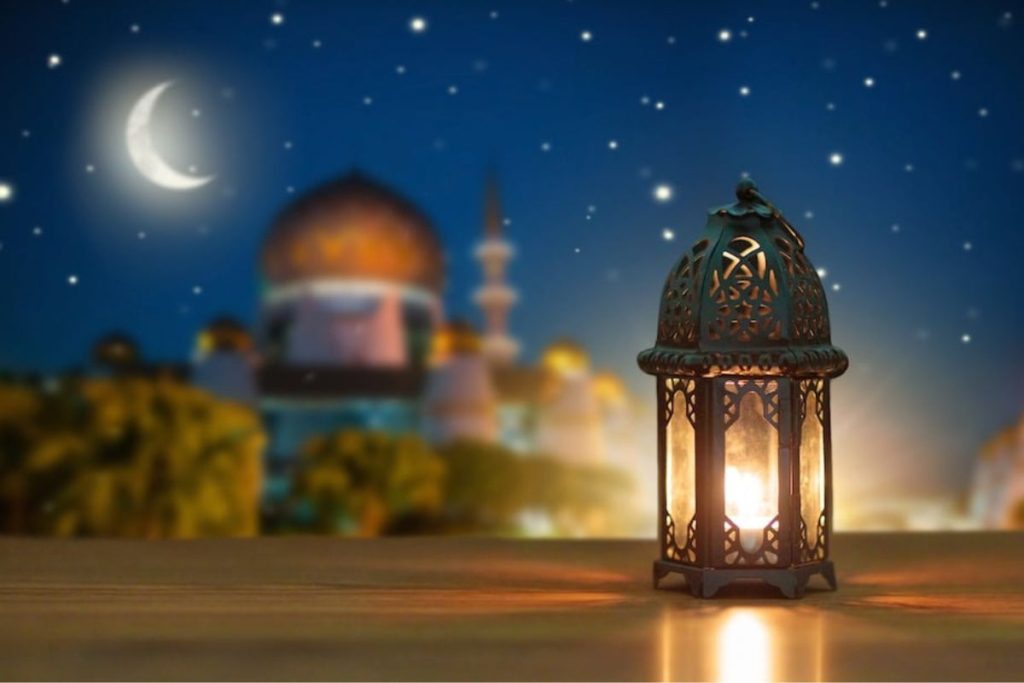
Ramadan celebrations vary globally, from lanterns in the Middle East to markets in Southeast Asia and illuminated mosques in Turkey. These cultural adaptations highlight the universal reverence for the month and provide interesting facts about Ramadan worldwide.
FAQs
What is the primary purpose of Ramadan?
To achieve spiritual purification, self-discipline, and draw closer to Allah through fasting, prayer, and charity.
Who is exempt from fasting during Ramadan?
The sick, elderly, pregnant or breastfeeding women, travelers, and children who have not reached puberty.
What is Laylat al-Qadr?
Known as the Night of Power, it is the night when the Quran was first revealed and is considered holier than a thousand months.
What are Suhoor and Iftar?
Suhoor is the pre-dawn meal, and Iftar is the meal to break the fast at sunset.
What is Eid al-Fitr?
The “Festival of Breaking the Fast,” celebrating the end of Ramadan with prayer, family gatherings, and feasting.