Raising children in Islam is a comprehensive responsibility that encompasses nurturing their spiritual, moral, intellectual, and physical development according to Islamic values. It is a vital task that shapes the future of both the child and the community, ensuring that children grow up as righteous, knowledgeable, and balanced individuals. Islam…
Purification, or Tahara, is a fundamental concept in Islam deeply rooted in the faith’s spiritual and practical aspects. The Islamic rules of purification govern how Muslims maintain cleanliness both physically and spiritually to perform acts of worship properly. This article explores the main principles of purification in Islam, including the…
story of the cave in Quran, known as the story of the “People of the Cave” or “Ashab al-Kahf,” is one of the most fascinating and inspirational narratives found in the Noble Quran. It appears in Surah Al-Kahf (Chapter 18), verses 9 to 26. This story serves not only as…
Human life is the most precious resource in the world, and as such, it is essential to honor, protect, and respect it. The concept of respect for human life is not merely a moral imperative, but also a principle that is deeply embedded in legal systems, religious teachings, and societal…
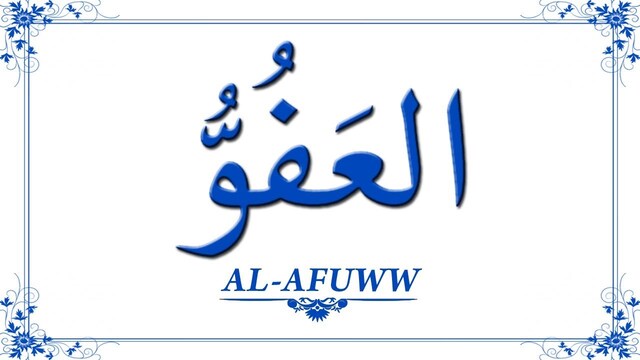
In Islam, the concept of forgiveness is a central and profound theme. One of the key terms that embody this concept is “AFW Meaning in Islam” (عَفْو). It signifies forgiveness, pardon, and absolution, playing a crucial role in a Muslim’s relationship with Allah and with fellow human beings. The root…
Tawadhu in Islam (تَوَاضُع) is a profound concept, often translated as humility or modesty. It refers to the attitude of humbling oneself in the presence of others, acknowledging that all greatness belongs to Allah (SWT) alone. The concept is deeply rooted in the teachings of the Qur’an and the Sunnah,…
Amanah, derived from the Arabic root word “A-M-N,” meaning trust or security, is a central concept in Islam that emphasizes the importance of trust, honesty, and responsibility. The term “Amanah” refers not only to a moral obligation but also to the spiritual duty entrusted to a Muslim by Allah. The…
Sidq, often translated as truthfulness, holds a prominent place in Islamic teachings. It is considered one of the essential characteristics of a true believer. The concept of Sidq encompasses not only being honest in speech but also being sincere in one’s actions, intentions, and beliefs. The importance of truthfulness is…
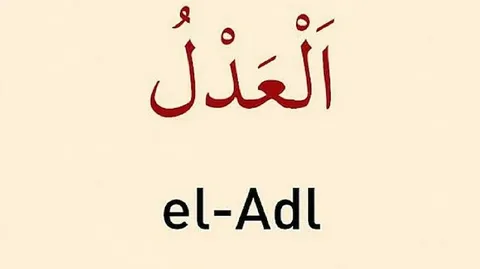
In Islam, justice is a core value that governs not only the relationship between individuals and their communities but also the relationship between individuals and Allah. Among the most important concepts in Islamic teachings is the idea of Adl, which refers to justice, fairness, and the principle of maintaining equilibrium…
Tawheed is the central and most fundamental concept in Islam. It refers to the oneness of Allah (God) and is the cornerstone of Islamic belief. The word “Tawheed” is derived from the Arabic root word “wahhada,” meaning to make something one or to unify. Therefore, Tawheed signifies the belief in…