

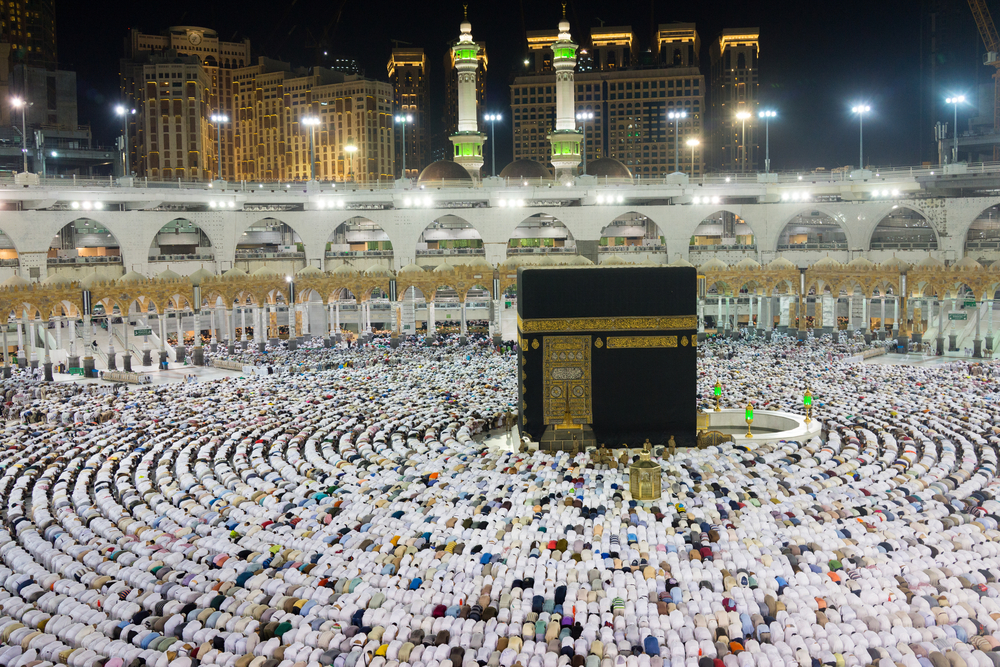
The change of Qibla is one of the most significant events in Islamic history. It marks the moment when Muslims were commanded to change the direction of prayer from Jerusalem (Bayt al-Maqdis) to the Kaaba in Makkah. This event occurred during the time of Prophet Muhammad (peace be upon him) in Madinah and is directly mentioned in the Qur’an. Understanding the change of Qibla, including the Qur’anic surah, the story behind it, the month it occurred, and how it affected Makkah, provides deep insight into Islamic identity, obedience, and unity.
What Is the Change of Qibla?
The change of Qibla refers to the divine command given to Muslims to change the direction they faced during prayer. Initially, Muslims prayed toward Bayt al-Maqdis (Jerusalem). Later, Allah commanded them to face the Kaaba in Makkah, making it the permanent Qibla for Muslims worldwide.
This change was not merely physical; it symbolized spiritual independence, obedience to Allah, and the establishment of a distinct Islamic identity.
What Is Qibla in Islam?
Qibla is the direction Muslims face while performing Salah (prayer). Facing the Qibla is a fundamental requirement for prayer, representing unity and submission to Allah.
- Today, the Qibla is the Kaaba in Makkah
- Muslims around the world face one direction, regardless of location or culture
- This shared direction symbolizes equality and unity among believers
Changing of Qibla: The Early Practice
When Prophet Muhammad (peace be upon him) migrated to Madinah, Muslims prayed toward Jerusalem. This direction aligned with the practice of previous prophets and demonstrated continuity with earlier monotheistic traditions.
However, the Prophet deeply wished for the Qibla to be toward the Kaaba, the sacred house built by Prophet Ibrahim (peace be upon him), which symbolized pure monotheism.
Change of Qibla Story
The change of Qibla story is one of the most powerful examples of obedience in Islam.
While leading prayer in Madinah, a divine revelation was sent to Prophet Muhammad (peace be upon him), commanding him to turn toward the Kaaba. During the prayer itself, the Prophet physically turned, and the congregation turned with him.
This mosque later became known as Masjid al-Qiblatayn (The Mosque of the Two Qiblas), because prayer was offered facing both directions in a single prayer.
Change of Qibla in Which Surah?
The change of Qibla is clearly mentioned in Surah Al-Baqarah (Chapter 2) of the Qur’an.
Key verses include:
- Surah Al-Baqarah 2:142–150
These verses explain:
- The command to change the Qibla
- The wisdom behind the change
- The reaction of people
- The importance of obedience and faith
This makes Surah Al-Baqarah central to understanding the event.
Qibla Change in Which Month?
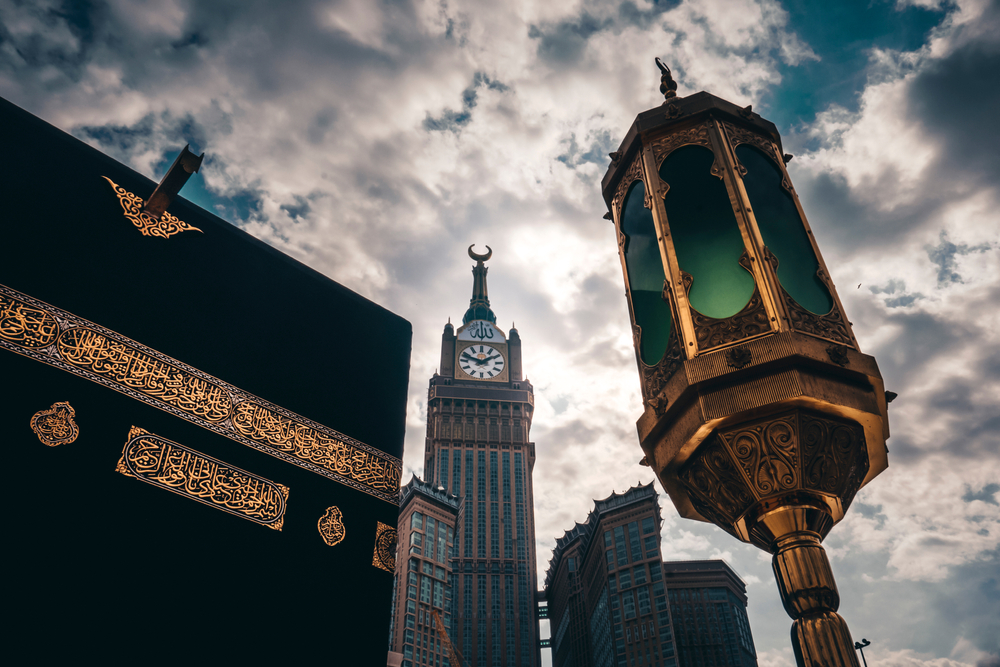
The Qibla change occurred in the month of Sha‘ban, approximately 16–17 months after the Hijrah (migration to Madinah).
Sha‘ban later became known as a month associated with preparation, spiritual readiness, and important transitions—one of which was the change of Qibla.
Wisdom Behind the Change of Qibla
The change carried deep wisdom, including:
1. Obedience to Allah
Muslims were tested in their willingness to follow Allah’s command without hesitation.
2. Establishing Islamic Identity
The Kaaba became the central symbol of Islam, separate from previous religious traditions.
3. Testing Faith
True believers accepted the command immediately, while others questioned or criticized it.
4. Connection to Prophet Ibrahim
Facing the Kaaba reinforced Islam’s connection to the legacy of Ibrahim (peace be upon him).
Reactions to the Changing of Qibla
The reaction to the changing of Qibla varied:
- Believers obeyed instantly
- Hypocrites questioned the change
- Some non-Muslims mocked or doubted the command
The Qur’an addresses these reactions and emphasizes that guidance comes from Allah alone.
How Did the Changing of Qibla Affect Makkah?
The change of Qibla significantly affected Makkah in several ways:
1. Spiritual Centrality
Makkah became the permanent spiritual center of Islam.
2. Increased Religious Importance
The Kaaba was reaffirmed as the sacred house of Allah.
3. Strengthening the Status of the Haram
Makkah’s sanctity was reinforced, preparing the way for its eventual peaceful conquest.
4. Unity of Muslims
All Muslims, regardless of location, now faced Makkah, strengthening global unity.
The Kaaba Before and After the Qibla Change
Before Islam:
- The Kaaba existed but was surrounded by idols
After the change:
- The Kaaba was restored as a symbol of monotheism
- It became the direction of prayer and pilgrimage
- It unified Muslims under one sacred focus
Lessons from the Change of Qibla
The event teaches Muslims:
- Immediate obedience to Allah
- Faith over habit
- Unity over division
- Trust in divine wisdom
- Respect for prophetic guidance
These lessons remain relevant today.
Change of Qibla and Islamic Law
From a legal perspective:
- Facing the Qibla became obligatory in prayer
- Exceptions exist for inability or travel
- The command established a permanent ruling
Islamic law demonstrates flexibility while maintaining core principles.
Masjid al-Qiblatayn: A Living Reminder
Masjid al-Qiblatayn in Madinah stands as a historical reminder of the Qibla change. It symbolizes:
- Obedience in action
- Unity in worship
- Living connection to Qur’anic revelation
Change of Qibla in Daily Muslim Life
Today, the change of Qibla continues to influence:
- Mosque architecture
- Prayer apps and compasses
- Islamic education
- Muslim identity worldwide
Why the Change of Qibla Still Matters
The change of Qibla is not just a historical event. It represents:
- Submission to divine command
- Trust in Allah’s wisdom
- Unity of the Muslim Ummah
- The centrality of Makkah in Islam
Conclusion
The change of qibla stands as a defining moment in Islamic history. It shaped Muslim worship, strengthened Islamic identity, and established Makkah as the heart of Islam. Through obedience, unity, and faith, this event continues to inspire Muslims across generations.
FAQs
What is the change of Qibla?
The change of Qibla refers to the command for Muslims to change their prayer direction from Jerusalem to the Kaaba in Makkah.
Change of Qibla in which surah is mentioned?
The change of Qibla is mentioned in Surah Al-Baqarah, verses 142–150.
Qibla change in which month did it occur?
The Qibla change occurred in the month of Sha‘ban, about 16–17 months after Hijrah.
How did the changing of Qibla affect Makkah?
It established Makkah as the spiritual center of Islam and reinforced the sacred status of the Kaaba.