


The event of Muhammad ascending to heaven, known as Isra and Mi‘raj, is one of the most miraculous and spiritually significant events in Islamic history. In this extraordinary journey, Prophet Muhammad (peace be upon him) was transported from the Sacred Mosque in Mecca to the Farthest Mosque in Jerusalem, and then ascended through the heavens in the company of Angel Gabriel. During this journey, he met previous prophets, witnessed signs of the afterlife, and received the command for the five daily prayers. This event highlights the Prophet’s elevated status and offers deep spiritual lessons about faith, prayer, and the unseen world.
1. What Is Muhammad’s Ascension?
The ascension of Prophet Muhammad (peace be upon him) refers to the miraculous event of Isra and Mi‘raj, which occurred during his lifetime in Mecca. The journey is divided into two parts:
- Isra – the night journey from Mecca to Jerusalem.
- Mi‘raj – the ascension through the seven heavens.
This journey was both physical and spiritual, showcasing the Prophet’s close connection with Allah and his role as the final messenger. It also serves as a sign of the unseen world and the miraculous nature of Allah’s power.
2. The Night Journey: From Mecca to Jerusalem (Isra)
The first stage of the journey, known as Isra, began at the Sacred Mosque (Masjid al-Haram) in Mecca. Prophet Muhammad (peace be upon him) was carried by a miraculous creature called Buraq, which was described as a radiant steed capable of swift movement beyond human capability.
Upon reaching Al-Aqsa Mosque in Jerusalem, the Prophet (peace be upon him) led all previous prophets in prayer, symbolizing the continuity and unity of God’s guidance throughout history. This event reinforced the idea that Islam follows the same divine message as that delivered to earlier prophets.
3. The Ascension Through the Heavens (Mi‘raj)
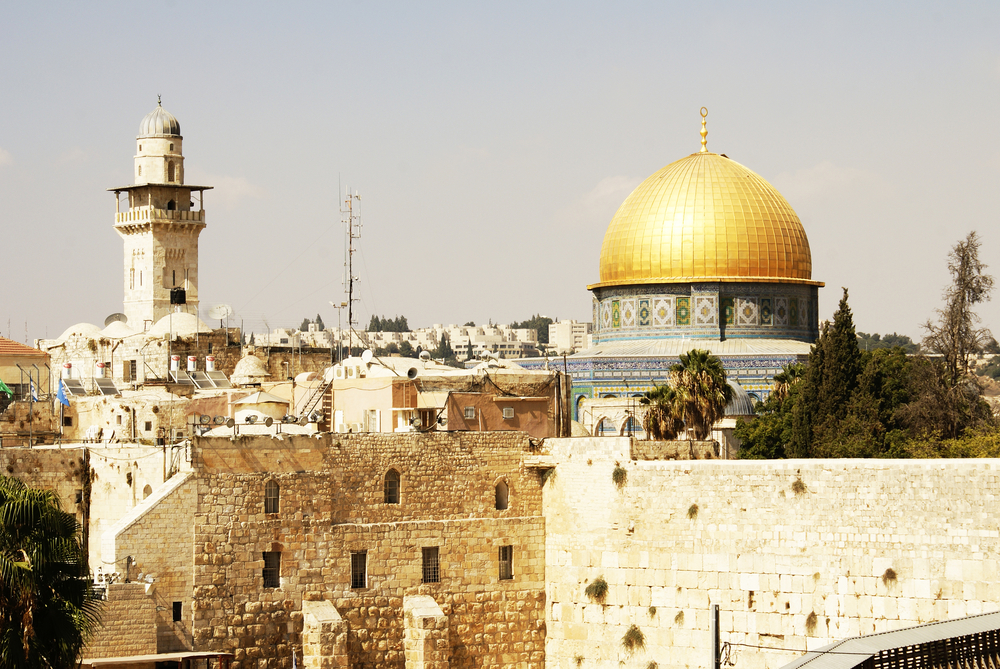
After praying at Al-Aqsa Mosque, the Prophet began the Mi‘raj, the ascension through the seven heavens. He was accompanied by Angel Gabriel, who guided him through each level. At each heaven, he met prominent prophets:
- First Heaven: Prophet Adam
- Second Heaven: Prophets Yahya (John) and Isa (Jesus)
- Third Heaven: Prophet Yusuf (Joseph)
- Fourth Heaven: Prophet Idris
- Fifth Heaven: Prophet Harun (Aaron)
- Sixth Heaven: Prophet Musa (Moses)
- Seventh Heaven: Prophet Ibrahim (Abraham)
At the highest point, known as Sidrat al-Muntaha, the Lote Tree at the utmost boundary of creation, the Prophet received from Allah the command for the five daily prayers, which were initially prescribed as fifty and then reduced to five following the advice of Prophet Musa (Moses).
4. What the Prophet Witnessed During the Journey
During his ascension, the Prophet (peace be upon him) saw extraordinary realities beyond ordinary human experience:
- Encounters with previous prophets, each offering greetings and guidance.
- A glimpse of Paradise and Hell, illustrating the consequences of human deeds.
- Divine signs and revelations, emphasizing Allah’s majesty and authority.
These visions strengthened his faith and reinforced the importance of obedience, worship, and awareness of the unseen world.
5. The Significance of the Ascension
A. Confirmation of Prophethood
The miraculous nature of this journey confirmed the elevated status of Prophet Muhammad (peace be upon him) and his unique role as the final messenger of Allah.
B. Establishment of the Five Daily Prayers
One of the most significant outcomes of Mi‘raj was the prescription of the five daily prayers, which remain central to Islamic worship and spiritual discipline.
C. Lessons on the Afterlife
By witnessing Paradise and Hell, the Prophet gained insights into the consequences of human actions. This serves as a reminder for all Muslims to strive for righteousness and avoid wrongdoing.
6. How Muslims Commemorate the Journey
The night of this miraculous journey, often referred to as Lailat al-Mi‘raj, is observed with reverence by Muslims worldwide. Practices include:
- Performing additional voluntary prayers (nafl)
- Reflecting on the spiritual lessons of the journey
- Teaching the story to children and new Muslims
While it is traditionally observed on the 27th of Rajab, the focus is on understanding the spiritual significance rather than merely celebrating a date.
7. Spiritual Lessons from the Journey
A. Faith in the Unseen
The journey emphasizes that true belief requires faith in realities beyond human perception, highlighting the importance of trusting Allah and the unseen world.
B. The Importance of Prayer
Prayer was established during this journey, highlighting its central role in connecting humans with Allah and maintaining spiritual discipline.
C. Unity of the Prophetic Message
Meeting previous prophets underscores the continuity of divine guidance and the unity of God’s message across generations.
8. Common Misconceptions
Some people may exaggerate or misinterpret the details of this miraculous journey. What is essential in Islamic belief is:
- Acknowledging the physical and spiritual reality of the journey.
- Recognizing the command for the five daily prayers.
- Understanding the lessons about faith, accountability, and obedience.
Speculative details beyond authentic teachings should be approached with caution.
Conclusion
The story of Muhammad ascending to heaven is a cornerstone of Islamic belief. This event, encompassing Isra and Mi‘raj, demonstrates:
- The miraculous night journey from Mecca to Jerusalem
- Ascension through the seven heavens and encounters with past prophets
- The divine prescription of five daily prayers
It serves as a timeless lesson about faith, prayer, accountability, and the spiritual realities of life and the hereafter. This journey reminds Muslims of the Prophet’s elevated status and the profound importance of maintaining a connection with Allah through worship and obedience.
FAQs
What exactly happened when Prophet Muhammad ascended to heaven?
Prophet Muhammad (peace be upon him) traveled from Mecca to Jerusalem and then ascended through the seven heavens, meeting previous prophets and receiving the command for the five daily prayers.
Why is the journey called “Isra and Mi‘raj”?
Isra refers to the night travel from Mecca to Jerusalem, and Mi‘raj refers to the ascension through the heavens to the presence of Allah.
Did the Prophet really meet other prophets during this journey?
Yes, Islamic tradition states that he met prophets such as Adam, Moses, Jesus, and Abraham during his ascension, affirming the continuity of the prophetic message.
What is the main lesson of Muhammad’s ascension?
The journey emphasizes faith in the unseen, the centrality of prayer in a Muslim’s life, and the unity of God’s message through all prophets.