


Salat al Raghaib is a voluntary prayer associated with the first Friday night of the Islamic month of Rajab. Many Muslims around the world observe this prayer seeking Allah’s mercy, forgiveness, and blessings. The topic of Salat al Raghaib has been widely discussed among Islamic scholars, especially regarding its origin, whether it is a Sunni practice, its religious authenticity, and how it is performed. This article explains the meaning of Salat al Raghaib, its historical background, scholarly opinions, and step-by-step guidance on how to pray Salatul Raghaib, while maintaining an educational and respectful tone.
What Is Salat al Raghaib?
Salat al Raghaib is a voluntary (nafl) prayer traditionally performed on the first Friday night of the month of Rajab, which begins after Maghrib prayer and continues until before Fajr. The word Raghaib comes from the Arabic root raghbah, meaning desire, longing, or something greatly wished for.
The prayer is associated with seeking Allah’s generosity, forgiveness, and spiritual closeness. For many Muslims, Salat al Raghaib represents an opportunity to begin the sacred months with repentance and renewed devotion.
What Is the Meaning of Regaib?
The word Regaib (Raghaib) linguistically means:
- Abundant gifts
- Divine mercy
- Things that are highly desired
- Spiritual rewards granted by Allah
In an Islamic spiritual sense, Raghaib reflects the believer’s hope in Allah’s mercy, especially during sacred times when good deeds are believed to be more rewarding.
This meaning explains why Salat al Raghaib is associated with supplication, remembrance of Allah, and seeking forgiveness at the beginning of Rajab.
Historical Background of Salat al Raghaib
Salat al Raghaib became known several centuries after the early generations of Islam. Historical records indicate that it was practiced widely in some Muslim regions, particularly in parts of the Muslim world influenced by spiritual and devotional traditions.
However, it is important to note that Salat al Raghaib is not mentioned in the Qur’an, nor is it authentically reported in well-established prophetic traditions. This absence has led to scholarly discussion regarding its religious status.
Is Salat al Raghaib Sunni?
The question “Salat al Raghaib Sunni” is one of the most frequently asked.
Scholarly Perspective
From a Sunni scholarly standpoint:
- Many Sunni scholars state that Salat al Raghaib is not an established Sunnah of Prophet Muhammad (peace be upon him).
- Several hadith scholars have classified narrations related to Salat al Raghaib as weak or fabricated.
- As a result, they do not consider it a confirmed Sunnah prayer.
Practical Reality
Despite scholarly reservations, some Sunni Muslims still perform Salat al Raghaib as a voluntary act of worship, not as an obligatory or confirmed Sunnah prayer, but as a form of general remembrance and supplication.
Scholarly Opinions on Salat al Raghaib
Islamic scholars generally fall into two main views:
View One: Not a Legislated Prayer
Many scholars argue that:
- There is no authentic evidence supporting Salat al Raghaib.
- It should not be treated as a specific Sunnah prayer.
- Worship should be based on authentic sources.
View Two: Allowed as General Voluntary Prayer
Other scholars state that:
- Voluntary prayer is allowed at any time.
- If performed without believing it is obligatory or Sunnah, it can be considered a general act of devotion.
- Intentions matter, and worship should not contradict core Islamic teachings.
This difference highlights the importance of knowledge, intention, and moderation in worship.
How to Pray Salatul Raghaib
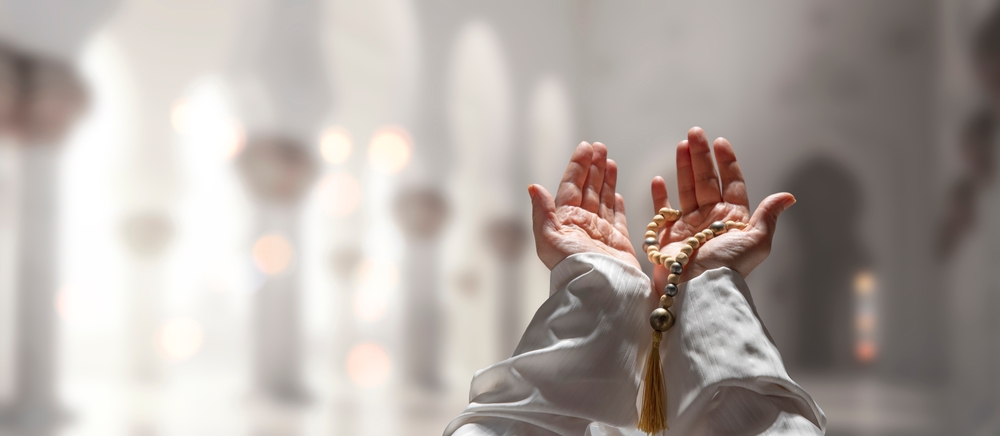
Many people ask: How to pray Salatul Raghaib?
Below is the commonly practiced method, as known traditionally. This description is for educational purposes and does not imply religious obligation.
Time of Prayer
- After Maghrib on the first Friday night of Rajab
- Before Fajr prayer
Number of Rak‘ahs
- 12 rak‘ahs, prayed in sets of two rak‘ahs
Common Recitations
In each rak‘ah:
- Surah Al-Fatiha (once)
- Surah Al-Qadr (3 times)
- Surah Al-Ikhlas (12 times)
After Completing the Prayer
- Sending blessings upon the Prophet (peace be upon him)
- Making personal supplications (du‘a)
- Seeking forgiveness and mercy from Allah
Again, this method is based on traditional practice, not an authenticated Sunnah narration.
Spiritual Goals of Salat al Raghaib
Muslims who observe Salat al Raghaib often focus on:
- Repentance and turning back to Allah
- Preparing spiritually for Ramadan
- Increasing remembrance (dhikr)
- Strengthening personal faith
- Seeking inner peace and forgiveness
Rajab is considered one of the sacred months, making it a meaningful time for reflection and spiritual renewal.
Rajab and Voluntary Worship
Regardless of differing views on Salat al Raghaib, scholars agree that:
- Rajab is a sacred month
- Voluntary prayers, fasting, charity, and remembrance are encouraged
- Avoiding sin and increasing good deeds is highly recommended
Thus, worship in Rajab should focus on authentic practices while maintaining respect for scholarly diversity.
Common Misconceptions About Salat al Raghaib
Some misconceptions include:
- Believing it is an obligatory prayer
- Assuming it guarantees forgiveness regardless of behavior
- Treating it as equal to confirmed Sunnah prayers
Islam emphasizes that no single prayer replaces sincere repentance, good character, and consistent worship.
Balanced Islamic Approach
A balanced approach includes:
- Respecting scholarly opinions
- Avoiding labeling others harshly
- Prioritizing obligatory prayers
- Performing voluntary acts with sincere intention
- Seeking knowledge before practice
Islam encourages unity, wisdom, and moderation in worship.
Conclusion
Salat al Raghaib remains a topic of discussion within Islamic scholarship. While it is not a confirmed Sunnah prayer, it reflects a broader desire among Muslims to seek Allah’s mercy, especially during sacred times like Rajab. Understanding its meaning, scholarly views, and proper intention helps Muslims practice their faith with knowledge, balance, and sincerity.
FAQs
What is Salat al Raghaib?
Salat al Raghaib is a voluntary prayer traditionally performed on the first Friday night of Rajab, associated with seeking Allah’s mercy and blessings.
Is Salat al Raghaib a Sunnah prayer?
Most Sunni scholars do not consider it an established Sunnah, as there is no strong authentic evidence from the Prophet (peace be upon him).
What is the meaning of Regaib?
Regaib means abundant gifts, mercy, and blessings that believers hope to receive from Allah.
How to pray Salatul Raghaib?
It is traditionally prayed as 12 rak‘ahs after Maghrib on the first Friday night of Rajab, with specific recitations, though it is not obligatory.