

The safa and marwa story is one of the most profound narratives in Islamic history, representing unwavering faith, maternal love, and divine mercy. This ancient account, deeply embedded in the rituals of Hajj and Umrah, continues to inspire millions of Muslims who walk between these two sacred hills in Mecca. Understanding the story of safa and marwa provides insight into one of Islam’s most enduring traditions and the remarkable woman whose desperate search became an eternal act of worship.
The Historical Context of Safa and Marwa
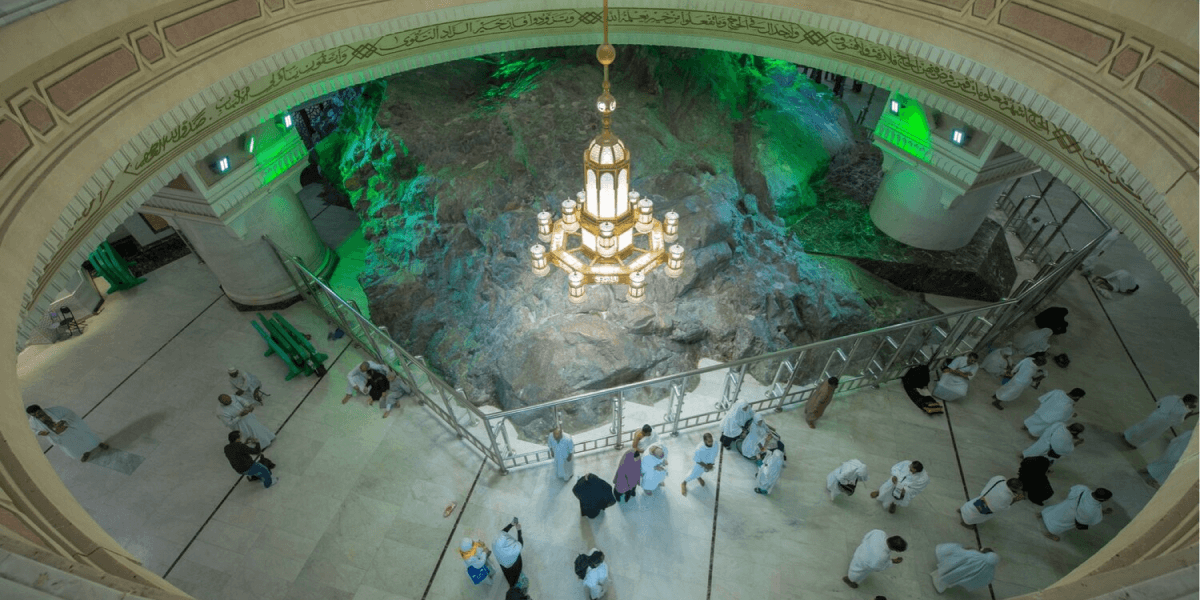
The safa and marwa history dates back thousands of years to the time of Prophet Ibrahim (Abraham) and his family. Mount Safa and Marwa are two small hills located within the Masjid al-Haram in Mecca, Saudi Arabia. Today, these hills are enclosed within the mosque complex, but their significance transcends their physical presence. The distance between them is approximately 450 meters, and pilgrims traverse this path seven times during the ritual of Sa’i.
In ancient times, these hills stood in a barren valley with no signs of civilization or water sources. The landscape was harsh and unforgiving, making the events that unfolded there even more remarkable. The mount safa and marwa story is inseparable from the broader narrative of how Mecca transformed from a desolate valley into the spiritual center of the Islamic world.
Hajar’s Desperate Search: The Heart of the Story
The story of safa and marwa centers on Hajar (Hagar), the wife of Prophet Ibrahim and mother of Prophet Ismail (Ishmael). Following divine command, Prophet Ibrahim brought Hajar and their infant son Ismail to the barren valley of Mecca and left them there with limited provisions. When Hajar asked if this was Allah’s command, Ibrahim confirmed it was, and she accepted with complete submission to God’s will.
As their water and food supplies dwindled, baby Ismail began crying from thirst. Hajar, in her desperation to find water for her child, ran between the hills of Safa and Marwa seven times, searching for any sign of help or water. She would climb Safa to scan the horizon, then rush down and climb Marwa, repeating this journey with a mother’s determination and faith.
The key elements of Hajar’s search included:
- Starting her run from Mount Safa after looking for help
- Racing through the valley between the two hills
- Climbing Mount Marwa to survey the surrounding area
- Repeating this journey seven times with unwavering hope
- Maintaining her trust in Allah despite the dire circumstances
On her seventh trip, as she reached Marwa, she heard a sound. Rushing back to her son, she found the angel Jibril (Gabriel) who had struck the ground, causing the miraculous spring of Zamzam to gush forth. This blessed water not only saved Ismail’s life but continues to flow today, providing water to millions of pilgrims annually.
The Ritual of Sa’i: Commemorating the Journey
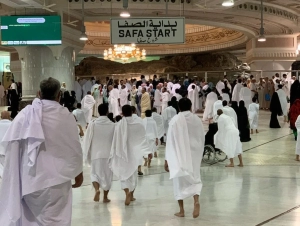
The safa and marwa history became immortalized through the Islamic ritual of Sa’i, which means “effort” or “seeking” in Arabic. Every Muslim performing Hajj or Umrah must walk between these two hills seven times, just as Hajar did. This ritual serves as a powerful reminder of her faith, perseverance, and complete reliance on Allah.
The Sa’i ritual involves:
- Beginning at Mount Safa with specific supplications
- Walking or running toward Mount Marwa
- Increasing pace in the section where Hajar ran fastest
- Completing seven laps total (Safa to Marwa counts as one, Marwa to Safa as two, and so on)
- Ending at Mount Marwa with prayers and remembrance of Allah
The modern-day performance of Sa’i takes place in a specially designated area within the Masjid al-Haram. The path is now air-conditioned, well-lit, and marked with green lights indicating where pilgrims should increase their pace, particularly men. This mirrors where Hajar ran through the valley bottom, hidden from view and desperate to return to her child.
Lessons from the Mount Safa and Marwa Story
The mount safa and marwa story carries profound spiritual and practical lessons that resonate across generations. Hajar’s actions demonstrate the balance between taking worldly measures and trusting in divine providence. She didn’t simply sit and wait for help; she actively searched while maintaining complete faith that Allah would provide.
Her story teaches us about perseverance in the face of adversity. Despite the harsh conditions and seemingly hopeless situation, Hajar didn’t give up. She continued her search seven times, showing determination and strength. This reminds believers that success often requires persistence and that divine help may come after we’ve exhausted our own efforts.
The narrative also highlights the importance of a mother’s love and sacrifice. Hajar’s tireless running between the hills was motivated purely by her desire to save her child. Her selflessness and dedication exemplify the noble qualities of motherhood that Islam honors and celebrates.
Furthermore, the story demonstrates complete submission to God’s will. When Ibrahim left them in the desert, Hajar accepted it because she knew it was Allah’s command. This level of trust and surrender to divine wisdom is a cornerstone of Islamic faith.
The Transformation of a Barren Valley
The safa and marwa story doesn’t end with the discovery of Zamzam water. The spring attracted the Jurhum tribe, who asked Hajar’s permission to settle near the water. This marked the beginning of Mecca’s development from a barren valley into a thriving settlement and eventually the spiritual capital of Islam.
Prophet Ismail grew up in this community, learned Arabic from the Jurhum tribe, and later helped his father Ibrahim rebuild the Kaaba. The blessed water of Zamzam, which emerged from Hajar’s desperate search, became central to Mecca’s prosperity and continues to hold special significance for Muslims worldwide.
Today, millions of Muslims visit Mecca annually to perform Hajj and Umrah. Each one walks between Safa and Marwa, retracing Hajar’s footsteps and renewing their connection to this powerful story of faith. Arabian Tongue offers comprehensive resources for those seeking to understand these sacred rituals and their historical significance more deeply.
The Spiritual Significance Today
Understanding the story of safa and marwa enriches the experience of every pilgrim who performs Sa’i. It transforms the physical act of walking between two hills into a spiritual journey that connects them to thousands of years of Islamic heritage. The ritual serves as a reminder that no situation is too desperate for Allah’s mercy and that sincere effort combined with faith will always bear fruit.
The preservation of this ritual through the ages demonstrates Islam’s commitment to honoring the faith and sacrifice of its early adherents. Hajar, a woman and a mother, is commemorated through one of the essential pillars of Hajj, showing the elevated status Islam gives to righteous women and their contributions to faith.
Conclusion
The safa and marwa story remains one of Islam’s most inspiring narratives, teaching timeless lessons about faith, perseverance, and divine mercy. Hajar’s desperate search for water transformed into an eternal act of worship performed by millions, while the Zamzam spring continues to flow as testimony to Allah’s response to sincere supplication and effort.
FAQs
Why do pilgrims walk between Safa and Marwa seven times?
Pilgrims complete seven laps to commemorate Hajar's seven trips between the hills while searching for water for her son Ismail.
Is Sa'i between Safa and Marwa mandatory in Hajj?
Yes, Sa'i is an essential ritual of both Hajj and Umrah and must be completed for the pilgrimage to be valid.
What happened to Hajar after finding Zamzam water?
Hajar and Ismail settled in Mecca, and the spring attracted settlers who established the city, making it a center of civilization and later Islam's holiest site.
Can women perform Sa'i during their period?
Yes, women can perform Sa'i during menstruation as it doesn't require ritual purity, unlike Tawaf around the Kaaba.