

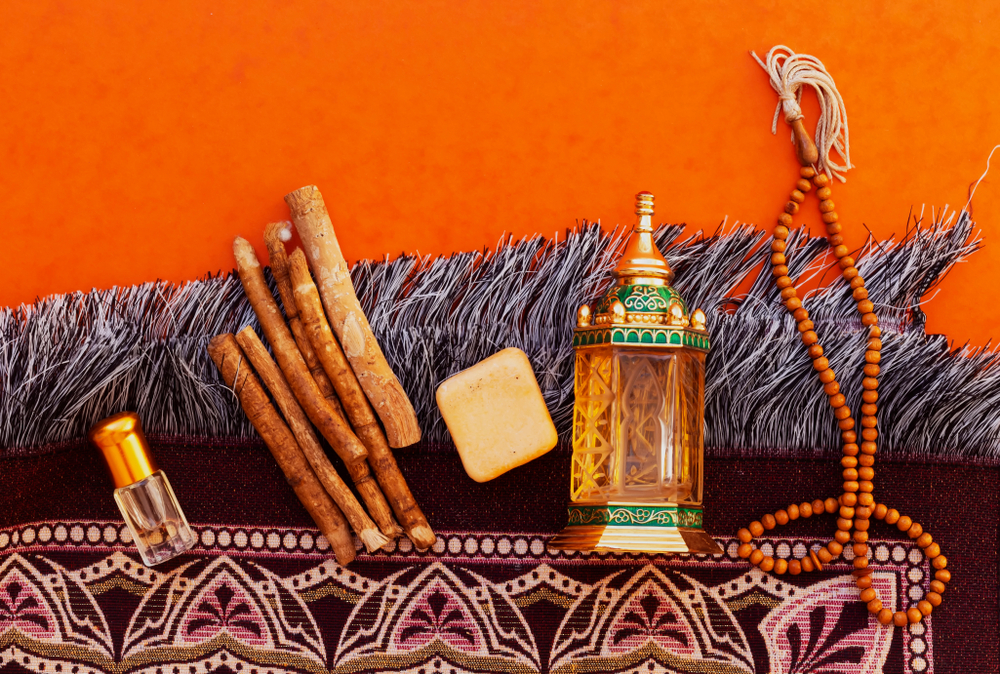
Understanding Sunnah vs Bidah in Islam is essential for Muslims who seek to worship Allah correctly and follow the true teachings of Islam. Many misunderstandings today come from mixing culture, personal opinions, and newly introduced religious practices with authentic Islamic guidance. For this reason, learning the difference between sunnah and bidah helps protect the purity of faith and practice.
Islam is a complete and perfected religion. The Qur’an and the Sunnah of the Prophet Muhammad ﷺ provide clear guidance on belief, worship, and daily life. Anything practiced in accordance with these sources is considered Sunnah, while practices added to religion without evidence are classified as Bid‘ah.
What Is Sunnah in Islam?
The Sunnah includes everything that the Prophet Muhammad ﷺ said, did, approved of, or lived by. It is the second primary source of Islamic law after the Qur’an and explains how Muslims should apply Qur’anic teachings in real life.
Through the Sunnah, Muslims learn how to pray correctly, fast properly, give charity, and interact with others in a moral and just way. Allah commands believers to follow the Messenger, which highlights the authority and importance of Sunnah in Islam.
The Importance of Sunnah in Daily Life
The Sunnah is not limited to acts of worship. It also includes manners, ethics, family relationships, business conduct, and personal behavior. Following the Sunnah brings balance, discipline, and spiritual growth.
The Prophet ﷺ was the best example of Islamic character. By following his Sunnah, Muslims strengthen their relationship with Allah and avoid confusion in religious matters. This is why understanding Sunnah vs Bidah in Islam is directly connected to correct worship.
What Is Bidah in Islam?
Bid‘ah linguistically means innovation or something newly introduced. In Islamic terminology, Bid‘ah refers to introducing new beliefs or acts of worship into Islam that have no basis in the Qur’an or authentic Sunnah.
The Prophet Muhammad ﷺ strongly warned against Bid‘ah, stating that any newly introduced matter in religion that does not belong to it will be rejected. This warning shows that sincerity alone is not enough; worship must also be based on correct guidance.
Why Is Bidah Considered Dangerous?
Bid‘ah is dangerous because it alters the religion of Islam. When people add practices to worship without evidence, they imply that the religion is incomplete. However, Allah clearly states that Islam has been perfected.
Over time, Bid‘ah can replace authentic Sunnah, leading people away from true guidance. Many deviations in earlier communities began with small innovations that gradually changed religious practice.
Sunnah vs Bidah in Islam: The Core Difference

The core difference between Sunnah vs Bidah in Islam lies in evidence and authenticity. Sunnah is rooted in revelation and prophetic guidance, while Bid‘ah is based on personal opinions, cultural traditions, or emotional practices without proof.
Sunnah brings reward and acceptance from Allah, while Bid‘ah—no matter how well-intentioned—is rejected. This distinction protects the purity of Islamic worship and belief.
Are All Innovations Forbidden in Islam?
A common misunderstanding about sunnah and bidah is the belief that Islam rejects all forms of innovation. This is incorrect.
Islam only forbids religious innovations. Worldly innovations such as technology, transportation, education methods, and communication tools are permissible as long as they do not contradict Islamic principles.
Using modern tools to serve Islam is allowed. However, creating new acts of worship, fixing specific rituals, or assigning religious rewards without evidence is considered Bid‘ah.
Bid‘ah in Acts of Worship
Bid‘ah often appears in acts of worship when people:
- Add new prayers not taught by the Prophet ﷺ
- Specify times or numbers without evidence
- Believe certain practices guarantee rewards without proof
Even small changes in worship can fall under Bid‘ah if they contradict prophetic teachings.
The Role of Intention in Sunnah and Bidah
Good intention alone does not make an action acceptable in Islam. Worship must have two conditions: sincerity for Allah and correctness according to the Sunnah.
Many people fall into Bid‘ah believing they are doing good. However, without authentic evidence, these actions are not accepted. This principle is central to understanding Sunnah vs Bidah in Islam.
Why Following Sunnah Protects from Misguidance
Following the Sunnah keeps Muslims on the straight path. The Prophet ﷺ warned that the nation would face trials and divisions, and the solution is holding firmly to the Qur’an and Sunnah.
When Muslims prioritize Sunnah, they avoid extremes, confusion, and religious disputes. The Sunnah acts as a clear standard by which actions are measured.
Wisdom and Balance When Addressing Bidah
Islam encourages wisdom, knowledge, and patience. While Bid‘ah must be avoided, correcting others should be done with kindness and understanding. Not everyone who practices Bid‘ah does so knowingly.
Learning, teaching, and advising should be done without harshness. The goal is guidance, not argument or division.
How to Avoid Bidah in Everyday Practice
Muslims can protect themselves from Bid‘ah by:
- Seeking authentic Islamic knowledge
- Learning the Sunnah of the Prophet ﷺ
- Asking qualified scholars
- Avoiding practices without clear evidence
- Focusing on quality and sincerity in worship
These steps help maintain a sound understanding of sunnah and bidah.
Sunnah vs Bidah in the Modern World
In modern times, social media and cultural influence spread religious ideas rapidly. Some practices may appear spiritual but lack authentic proof. This makes learning Sunnah vs Bidah in Islam more important than ever.
True Islamic practice is based on knowledge, evidence, and balance—not trends or emotional appeal.
Conclusion
Understanding Sunnah vs Bidah in Islam is essential for preserving the purity of faith. Sunnah represents the authentic teachings and practices of the Prophet Muhammad ﷺ, while Bid‘ah refers to adding or changing religious acts without evidence.
Islam is complete and perfect. True success lies in following the Qur’an and Sunnah while avoiding innovations in worship. By doing so, Muslims protect their faith and strengthen their connection with Allah.
FAQs
What does Sunnah mean in Islam?
Sunnah refers to the sayings, actions, and approvals of the Prophet Muhammad ﷺ that guide Muslims in belief and practice.
What is Bidah in simple terms?
Bid‘ah is introducing new religious practices or beliefs that were not taught by the Prophet ﷺ or found in the Qur’an.
Are all new practices considered Bidah?
No. Only new religious practices are considered Bid‘ah. Worldly innovations are allowed in Islam.
How can I distinguish between Sunnah and Bidah?
By checking authentic Qur’an and Sunnah evidence and consulting knowledgeable Islamic scholars.