

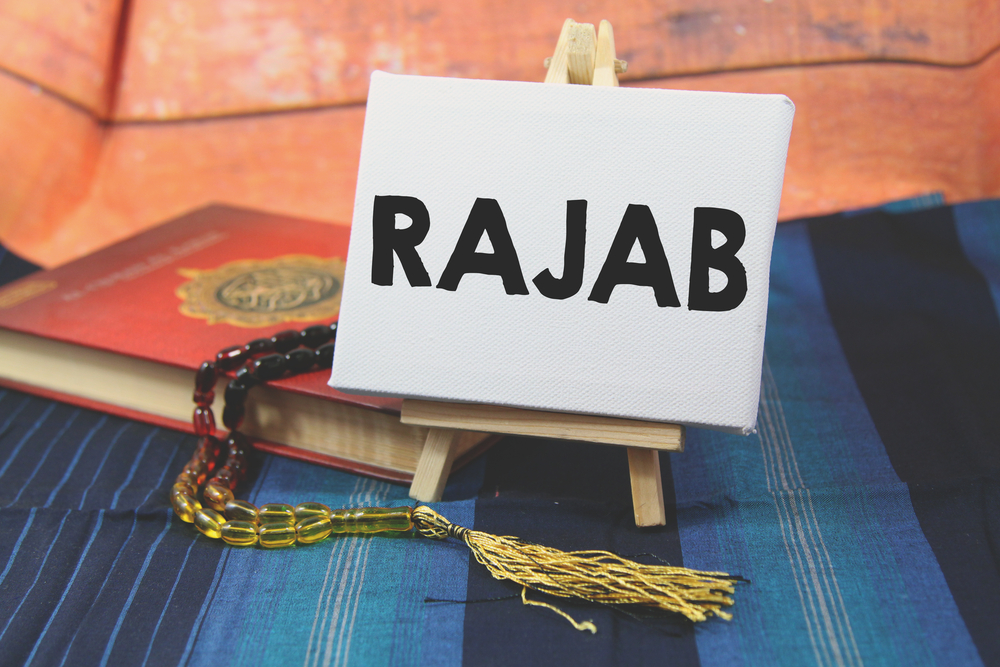
The Islamic calendar holds twelve sacred months, each carrying its own significance and blessings. Among these, the virtues of the month of Rajab stand out as particularly remarkable, making it one of the four sacred months explicitly mentioned in the Holy Quran. As the seventh month of the Islamic calendar, Rajab serves as a spiritual gateway, preparing believers for the blessed months of Shaban and Ramadan that follow.
Understanding the virtues of the month of Rajab helps Muslims maximize their spiritual growth during this blessed time. This comprehensive guide explores the profound significance, historical importance, and recommended practices that make Rajab a month of immense spiritual opportunity for every believer seeking closeness to Allah.
The Sacred Status of Rajab in Islam
The virtues of the month of Rajab begin with its designation as one of the four sacred months in Islam. Allah Almighty mentions in the Quran: “Indeed, the number of months with Allah is twelve lunar months in the register of Allah from the day He created the heavens and the earth; of these, four are sacred.” (Quran 9:36)
These four sacred months are Dhul-Qa’dah, Dhul-Hijjah, Muharram, and Rajab. The sanctity of these months means that good deeds performed during this time carry greater rewards, while sins committed are considered more serious. This elevated status makes understanding the virtues of the month of Rajab essential for every practicing Muslim.
The Prophet Muhammad (peace be upon him) particularly emphasized respecting these sacred months. During pre-Islamic times, Arabs would cease warfare during these months, and Islam maintained this tradition of peace and sanctity. The virtues of the month of Rajab include this atmosphere of tranquility that encourages believers to focus on worship and spiritual development.
Historical Significance and the Virtues of the Month of Rajab
One of the most profound virtues of the month of Rajab is its connection to one of Islam’s greatest miracles: the Night Journey and Ascension (Isra and Miraj). Although scholars differ on the exact date, many believe this miraculous event occurred on the 27th night of Rajab, when the Prophet Muhammad (peace be upon him) was transported from Makkah to Jerusalem and then ascended through the heavens.
This extraordinary journey established the five daily prayers that form one of Islam’s fundamental pillars. The fact that such a momentous event occurred during Rajab adds immense weight to the virtues of the month of Rajab and explains why Muslims throughout history have held this month in special reverence.
Additionally, several significant events in Islamic history occurred during Rajab, including battles and important migrations. These historical milestones further emphasize the virtues of the month of Rajab as a time when Allah’s mercy and intervention in human affairs becomes particularly manifest.
Spiritual Opportunities and the Virtues of the Month of Rajab
Among the greatest virtues of the month of Rajab is the opportunity it provides for spiritual preparation. Rajab marks the beginning of a three-month spiritual journey that culminates in Ramadan.
This preparatory phase allows believers to gradually increase their worship, making the transition to Ramadan’s intensive spiritual activities smoother and more sustainable.
The virtues of the month of Rajab include the acceptance of repentance and forgiveness. Islamic scholars emphasize that Rajab is an excellent time for sincere repentance (Tawbah) as believers prepare themselves for the months ahead.
The sacred nature of Rajab makes it particularly conducive to seeking Allah’s forgiveness and turning away from sins.
Furthermore, the virtues of the month of Rajab encompass the multiplication of good deeds. While specific narrations about Rajab should be verified for authenticity, the general principle that good deeds in sacred months carry greater rewards is well-established. This encourages believers to increase their acts of worship, charity, and kindness during this blessed time.
Recommended Practices to Embrace the Virtues of the Month of Rajab

To fully benefit from the virtues of the month of Rajab, Muslims are encouraged to engage in various acts of worship and spiritual practices. While avoiding innovations (Bidah) and unverified traditions is crucial, there are authentic practices that help believers maximize the blessings of this sacred month.
Voluntary fasting is one way to honor the virtues of the month of Rajab. Although there is no specific obligation to fast during Rajab, voluntary fasting throughout the year is highly encouraged in Islam. Some Muslims choose to fast Mondays and Thursdays, or the white days (13th, 14th, and 15th of the lunar month) during Rajab as part of their general practice of voluntary fasting.
Increased Quran recitation represents another practice aligned with the virtues of the month of Rajab. Dedicating more time to reading, understanding, and reflecting on the Quran during this sacred month helps prepare the heart and soul for Ramadan. Many Muslims aim to complete at least one full reading of the Quran during Rajab.
Regular night prayers (Tahajjud or Qiyam al-Layl) help believers tap into the virtues of the month of Rajab. The quiet hours before dawn are particularly blessed times for supplication and connection with Allah. Establishing or strengthening the habit of night prayers during Rajab makes it easier to maintain this practice through Ramadan and beyond.
Giving charity (Sadaqah) during Rajab multiplies the virtues of the month of Rajab. The Prophet Muhammad (peace be upon him) was always generous, but his generosity increased during blessed times. Following his example, Muslims are encouraged to give more charity during the sacred months, helping those in need while purifying their wealth and souls.
Understanding Authentic Traditions About the Virtues of the Month of Rajab
When discussing the virtues of the month of Rajab, it’s essential to distinguish between authentic Islamic teachings and cultural practices that lack religious foundation. Islamic scholarship emphasizes following verified traditions and avoiding innovations that have no basis in the Quran or authentic Hadith.
Some practices commonly associated with Rajab, such as specific prayers or celebrations, have weak or fabricated narrations supporting them. True appreciation of the virtues of the month of Rajab comes from following authentic Sunnah practices rather than invented rituals. Muslims should consult knowledgeable scholars to ensure their worship aligns with authentic Islamic teachings.
The virtues of the month of Rajab lie primarily in its sacred status and the general encouragement to increase good deeds during sacred months. Rather than seeking specific acts unique to Rajab, believers should focus on consistently practicing authentic Islamic worship throughout this blessed time.
Rajab as Preparation for Ramadan
One of the most practical virtues of the month of Rajab is its role as preparation time for Ramadan. Many Muslims struggle with the sudden lifestyle changes Ramadan requires, from fasting to increased worship to altered sleep schedules. Rajab provides an opportunity to gradually adjust these patterns.
The virtues of the month of Rajab include helping believers build spiritual momentum. Starting to increase worship in Rajab, maintaining it through Shaban, and then fully embracing Ramadan creates a sustainable spiritual progression. This gradual approach prevents burnout and helps establish lasting positive habits.
Planning for Ramadan during Rajab is another way to benefit from the virtues of the month of Rajab. This includes physical preparations like scheduling time off work, arranging family responsibilities, and planning meals, as well as spiritual preparations like learning Ramadan etiquette and setting worship goals.
The Connection Between Rajab and Other Sacred Months
Understanding the virtues of the month of Rajab requires seeing it within the broader context of Islam’s sacred months. Rajab stands alone among the sacred months, separated from the consecutive trio of Dhul-Qa’dah, Dhul-Hijjah, and Muharram. This unique position gives Rajab a special character as an individual month of sanctity.
The virtues of the month of Rajab complement those of other sacred times in the Islamic calendar. While Dhul-Hijjah focuses on Hajj and sacrifice, and Ramadan centers on fasting and intensive worship, Rajab serves as a transitional month of gradual spiritual awakening. Each sacred period has its unique characteristics, and appreciating the virtues of the month of Rajab means understanding its distinctive role.
Maximizing the Blessings: Practical Steps for Rajab
To truly benefit from the virtues of the month of Rajab, believers should take concrete steps to enhance their spiritual practice. First, set clear, achievable goals for worship during Rajab. These might include completing a Quran reading, giving a certain amount in charity, or establishing regular night prayers.
Second, learn about the virtues of the month of Rajab from authentic sources. Knowledge increases appreciation and motivation. Attend lectures, read reliable Islamic literature, and consult knowledgeable scholars to deepen your understanding of this sacred month.
Third, create a supportive environment that helps you embrace the virtues of the month of Rajab. This might mean joining a study circle, finding an accountability partner, or adjusting your daily schedule to prioritize worship. The physical and social environment significantly impacts spiritual success.
Fourth, make sincere repentance a priority during Rajab. The virtues of the month of Rajab include Allah’s readiness to accept repentance. Take time for self-reflection, identify areas needing improvement, and make sincere commitments to change.
Finally, maintain consistency in your worship. The virtues of the month of Rajab are best realized through steady, sustainable practice rather than sporadic bursts of intensity. Start with small, manageable increases in worship that you can maintain throughout Rajab, Shaban, and into Ramadan.
Coclusion
The virtues of the month of Rajab make it a blessed opportunity for spiritual growth and preparation. As one of Islam’s four sacred months, Rajab holds special significance in the Islamic calendar. Its connection to the miraculous Night Journey and Ascension, its role as preparation time for Ramadan, and its sacred status all contribute to making Rajab a month of immense spiritual potential.
Believers can maximize the virtues of the month of Rajab through authentic Islamic practices including voluntary fasting, increased Quran recitation, regular night prayers, generous charity, and sincere repentance. However, it’s crucial to base worship on verified Islamic teachings rather than cultural innovations without religious foundation.
Understanding and embracing the virtues of the month of Rajab helps Muslims build spiritual momentum that carries through Shaban and peaks during Ramadan. This three-month journey represents one of Islam’s most beautiful spiritual progressions, with Rajab serving as the crucial first step toward achieving closeness to Allah.
FAQs
What are the main virtues of the month of Rajab in Islam?
The primary virtues of the month of Rajab stem from its status as one of the four sacred months mentioned in the Quran. During Rajab, good deeds carry increased rewards while sins are considered more serious. The month is believed to be when the miraculous Night Journey and Ascension occurred, adding to its significance. Rajab also serves as a spiritual preparation period before Ramadan, making it an ideal time for increasing worship, seeking forgiveness, and building positive spiritual habits. The sacred nature of Rajab creates an atmosphere conducive to repentance, reflection, and devotion.
Is fasting in Rajab specifically required or recommended?
Fasting during Rajab is not specifically obligatory, and there are no authentic narrations making Rajab fasting uniquely virtuous compared to other months. However, voluntary fasting throughout the year is highly encouraged in Islam, and Muslims may choose to fast during Rajab as part of their general practice of voluntary fasting. Common voluntary fasting patterns include Mondays and Thursdays, or the white days (13th, 14th, and 15th of each lunar month). What matters most is the sincerity of intention and following authentic Sunnah practices rather than invented rituals specific to Rajab.
How should Muslims prepare for Ramadan during Rajab?
Rajab provides an excellent opportunity to prepare gradually for Ramadan's spiritual intensity. Muslims can start practicing voluntary fasting to accustom themselves to the physical aspects of fasting. Increasing Quran recitation during Rajab helps build the habit of daily Quran engagement that intensifies during Ramadan. Establishing or strengthening night prayers (Tahajjud) in Rajab makes this practice easier to maintain through Ramadan. Additionally, planning practical matters like work schedules, learning Ramadan etiquette, setting spiritual goals, and increasing charity during Rajab creates a smooth transition into the blessed month of fasting.
Are there specific prayers or celebrations unique to Rajab?
Islamic scholars emphasize that there are no authentic specific prayers, celebrations, or rituals unique to Rajab that are established in verified Hadith or Quran. Many practices associated specifically with Rajab are based on weak or fabricated narrations and should be avoided as innovations (Bidah). The true way to honor Rajab is through authentic Islamic worship practices such as the five daily prayers, voluntary fasting, Quran recitation, night prayers, charity, and remembrance of Allah. Muslims should focus on these established practices rather than seeking Rajab-specific rituals, and consult knowledgeable scholars about authentic Islamic teachings regarding this sacred month.