
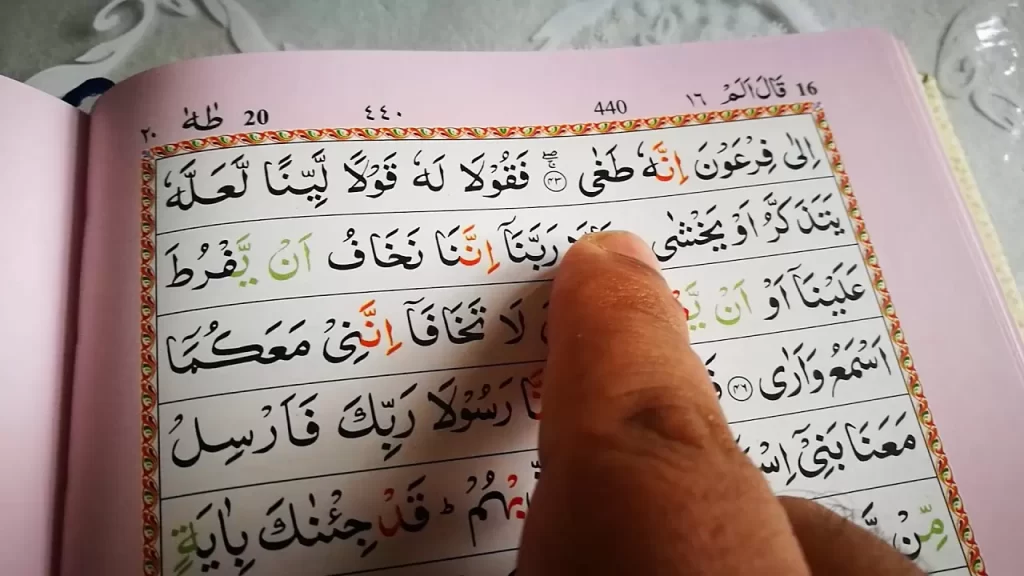
Every word in the Quran carries a weight that demands precision, every letter a place of articulation that cannot be compromised. Yet for many Muslims, Tajweed remains an intimidating science, a distant ideal rather than a daily reality. The truth is, improving your Tajweed is not reserved for scholars or professional reciters. With the right guidance, consistent practice, and proven strategies, anyone can elevate their recitation and experience the Quran in a way they never have before.
What is Tajweed? Definition and Purpose
Reciting the Quran is an act of worship that demands precision, reverence, and mastery. At the heart of this mastery lies Tajweed, the set of rules that ensures every verse is recited as it was revealed.
Definition:
Tajweed, derived from the Arabic root meaning “to improve” or “to make better,” is the science that governs the proper pronunciation, articulation, and recitation of the Quran. It combines phonetics, grammar, and linguistic principles to ensure every letter, sound, and pause is delivered in its correct form, preserving the divine text’s linguistic integrity.
Purpose:
Tajweed serves as a bridge between the sacred text and the reciter, ensuring the message of the Quran is conveyed with clarity and reverence. Without it, even fluent Arabic speakers might mispronounce words and alter their meanings. The Prophet ﷺ emphasized its importance by stating that those who recite the Quran with Tajweed will be given double rewards, making it a fundamental aspect of Islamic worship.
Why Improving Tajweed Matters for Every Muslim

Tajweed is important for every Muslim for several key reasons.
First: It is a spiritual obligation that deepens one’s connection with the Quran, honoring its linguistic perfection and following the Sunnah of the Prophet ﷺ.
Second: A well-recited Quran enhances the spiritual experience, evoking emotions and inspiring reflection as the meaning of verses becomes clearer through correct pronunciation.
Third: Tajweed fosters unity among Muslims worldwide, as the Quran is recited the same way across different cultures and languages.
Fourth: It preserves the Quran’s proper pronunciation for future generations, as those who master it are better equipped to guide and teach others.
Fifth: For those who feel intimidated by its complexity, Tajweed is a gradual, lifelong journey of refinement where consistency and patience, along with practicing one rule at a time, can lead to significant progress.
قال رسول الله ﷺ: “زَيِّنُوا الْقُرْآنَ بِأَصْوَاتِكُمْ” (رواه أبو داود)
The Prophet ﷺ said: “Beautify the Quran with your voices.” (Abu Dawud)
Essential Tips for Improving Your Tajweed
Improving your Tajweed requires a structured approach that combines theoretical knowledge with practical application. Below are some of the most effective strategies to help you refine your recitation and achieve fluency in Tajweed.
1. Learning the Basic Rules (Noon Saakin, Meem Saakin, Madd, etc.)
The foundation of Tajweed lies in mastering its basic rules, which ensure the Quran is recited without errors. The most critical rules include:
- Noon Saakin and Meem Saakin: Govern the pronunciation of silent Noon (ن) and Meem (م), covering Idgham (merging), Ikhfaa (hiding), and Iqlab (reversal).
- Madd (Extension): Involves elongating certain vowels such as “Alif” (ا) or “Ya” (ي) to their full length.
- Qalqalah (Shaking Letters): Letters like “ق” (Qaf) and “ط” (Ta) produce a vibrating sound requiring careful articulation.
2. Mastering Pronunciation (Makharij al-Huroof)
The Makharij al-Huroof refer to the specific points in the throat, mouth, and tongue where each letter is produced:
- Lips: “ب” (Ba), “م” (Meem), “ف” (Fa)
- Teeth: “ث” (Tha), “ذ” (Dhāl), “ظ” (Dhād)
- Tongue: “ل” (Laam), “ر” (Ra), “ز” (Zay)
- Throat: “ح” (Ha), “ع” (Ayn), “غ” (Ghayn)
Practice each letter individually before combining them into words, and use a mirror or recordings to identify areas needing correction.
3. Understanding Characteristics of Letters (Sifaat)
The Sifaat refer to the unique qualities defining how each letter is pronounced:
- Heavy and Light Letters: “ق” (Qaf) requires more force, while “ه” (Ha) is softer.
- Sharp and Rounded Letters: “ص” (Saad) has a sharp sound, whereas “و” (Waw) is rounded.
- Voiced and Unvoiced Letters: “ب” (Ba) is voiced, while “ف” (Fa) is unvoiced.
4. Practicing Regularly with Consistency
Consistency is the cornerstone of Tajweed mastery. Here is how to build a sustainable practice routine:
- Set a Daily Schedule: Dedicate at least 15-30 minutes daily to Tajweed practice. Consistency is more important than duration.
- Start with Short Verses: Begin with short, manageable verses such as Surah Al-Ikhlas or Surah Al-Fatiha to build confidence, then gradually move to longer Surahs.
- Track Progress: Keep a journal to note improvements, challenges, and areas needing further work.
- Break Down Complex Rules: Tackle one rule at a time to avoid overwhelm.
5. Listening to Skilled Reciters
Listening to skilled reciters is one of the most effective ways to internalize Tajweed rules. Here is how to maximize this learning method:
- Choose Authentic Reciters: Listen to reciters recognized for their Tajweed accuracy, such as Sheikh Abdul Rahman Al-Sudais, Sheikh Saad Al-Ghamdi, Sheikh Mishary Rashid Alafasy, and Sheikh Maher Al-Muaiqly.
- Focus on Specific Rules: Pay close attention to how reciters apply Noon Saakin, Madd, and Qalqalah rules in their recitation.
- Compare Your Recitation: Record yourself reciting a verse and compare it to a skilled reciter to identify discrepancies in pronunciation, rule application, and rhythm.
- Join Study Circles: Participate in local or online Tajweed study circles to listen to others and receive feedback.
6. Reciting Slowly Before Increasing Speed
Rushing through Quranic verses leads to mispronunciations and errors. Here is how to develop a slow, deliberate recitation style:
- Start with a Comfortable Pace: Choose a speed that allows you to clearly hear and pronounce each letter.
- Break Down Verses: Divide longer verses into smaller segments, checking pronunciation and Tajweed rules at each step.
- Practice with Short Pauses: Insert brief pauses between words or verses to maintain clarity and avoid fatigue.
- Gradually Increase Speed: Once confident in your slow recitation, gradually increase speed while ensuring each letter remains distinct and Tajweed rules are still applied accurately.
7. Recording and Reviewing Your Recitation
Self-assessment is a powerful tool in improving Tajweed. Here is how to make the most of this practice:
- Use High-Quality Recording Tools: Ensure your recordings are clear and audible using a smartphone or dedicated recorder.
- Focus on Specific Areas: When reviewing, pay attention to pronunciation, Tajweed rule application, and rhythm.
- Compare with Expert Recitations: Play your recording alongside a skilled reciter to spot differences in letter pronunciation and rule application.
- Seek Feedback: Share your recordings with a Tajweed teacher or knowledgeable peer for constructive feedback.
- Track Progress Over Time: Save recordings from different stages of your learning journey to measure improvements and stay motivated.
8. Studying with a Qualified Teacher
Learning Tajweed under the guidance of a qualified teacher accelerates progress and ensures accuracy. Here is how to make the most of a Tajweed teacher:
- Choose the Right Teacher: Look for a teacher with a strong background in Tajweed, who is patient and uses both modern and traditional teaching methods.
- Set Clear Goals: Establish specific objectives such as mastering Noon Saakin rules within three months or improving the pronunciation of throat letters.
- Prepare for Lessons: Come to each session with a list of practiced verses, specific questions, and your recording device to capture corrections.
- Apply Feedback Immediately: After each lesson, practice the corrections provided, focusing extra time on any identified errors.
Benefits of mastering Tajweed in daily life
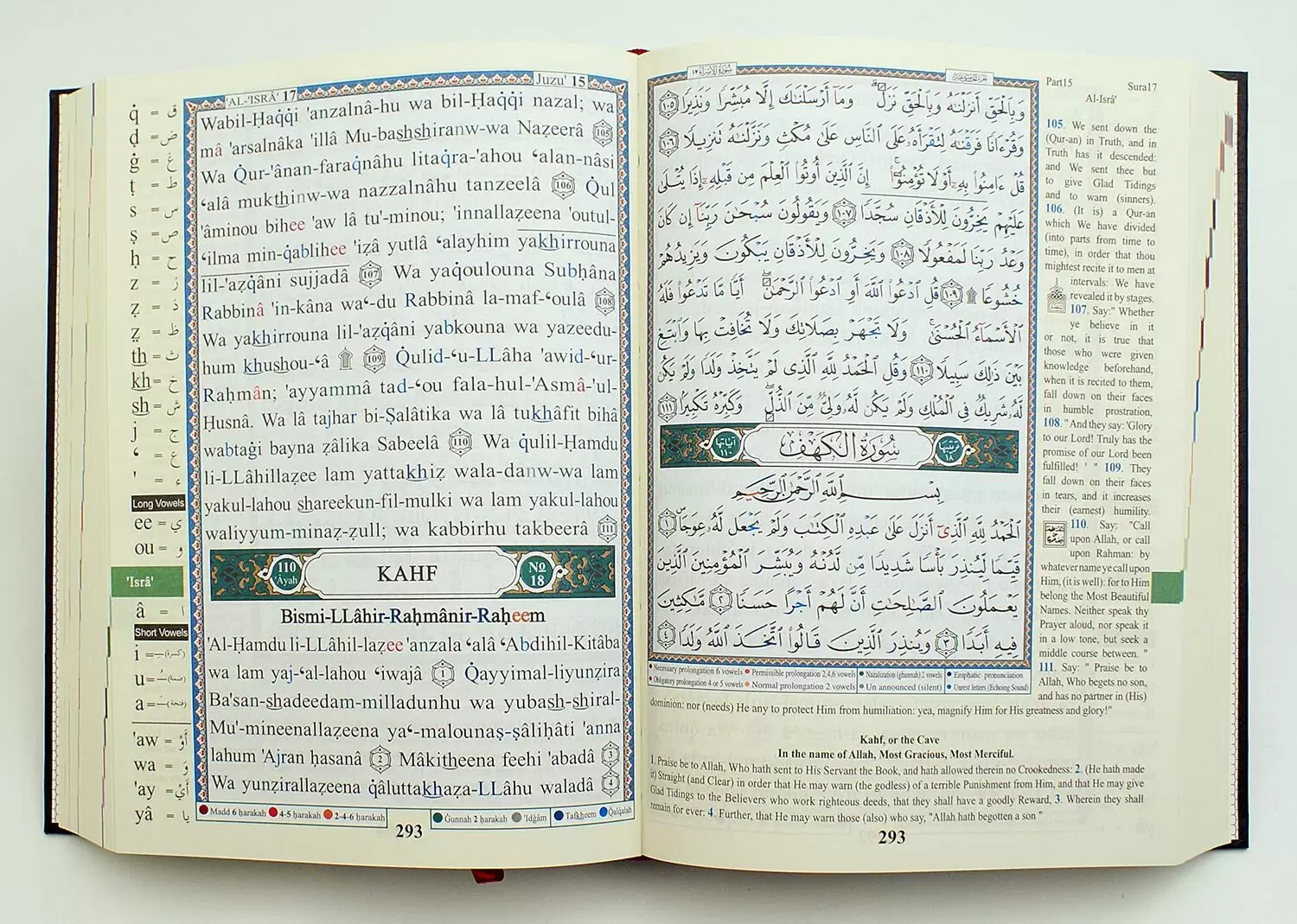
Mastering Tajweed extends far beyond the moments of recitation, enriching every aspect of a Muslim’s daily life. Its benefits touch the spiritual, personal, and social dimensions in ways that are both profound and practical:
- Deeper spiritual connection with the Quran during daily prayers
- More meaningful and focused acts of worship
- Enhanced understanding of Quranic meanings through correct pronunciation
- Greater confidence in reciting aloud in mosques and gatherings
- Ability to teach and guide others, preserving the Quran’s proper recitation
- Stronger sense of unity with Muslims worldwide through shared recitation standards
- Improved Arabic pronunciation and linguistic awareness
- A consistent source of tranquility and mindfulness in daily routine
How does the Arabian Tongue shape your journey of learning the Quran and Arabic?
At Arabian Tongue, we help you understand the Quran deeply and connect with its meanings through simple and effective teaching methods. Our courses are designed to make your learning journey clear, engaging, and spiritually enriching.
Guidance from the Quran and Hadith
قال الله تعالى: “وَرَتِّلِ الْقُرْآنَ تَرْتِيلًا” (المزمل: 4)
Allah says: “And recite the Quran with measured recitation.” (Al-Muzzammil: 4)
قال رسول الله ﷺ: “الْمَاهِرُ بِالْقُرْآنِ مَعَ السَّفَرَةِ الْكِرَامِ الْبَرَرَةِ، وَالَّذِي يَقْرَأُ الْقُرْآنَ وَيَتَتَعْتَعُ فِيهِ وَهُوَ عَلَيْهِ شَاقٌّ لَهُ أَجْرَانِ” (متفق عليه)
The Prophet ﷺ said: “The one who is proficient in reciting the Quran will be with the noble and obedient scribes, and the one who recites it with difficulty will have a double reward.” (Bukhari & Muslim)
FAQs
How can beginners start learning Tajweed effectively?
Beginners should start by mastering the basic rules one at a time, practicing with short Surahs daily, and learning under the guidance of a qualified teacher to ensure correct pronunciation from the start.
What are the most common Tajweed mistakes?
The most common mistakes include mispronouncing Makharij al-Huroof, incorrect application of Noon Saakin and Meem Saakin rules, and failing to observe proper Madd elongation during recitation.
How long does it take to master Tajweed?
The time varies depending on consistency and dedication, but with daily practice and a qualified teacher, a solid foundation can be built within six months to a year.
How can I improve my pronunciation in Quran recitation?
Focus on mastering the Makharij al-Huroof by practicing each letter individually, listening to skilled reciters, and recording your recitation regularly to identify and correct errors.