

Every decision carries weight: a new job, a marriage, a life-changing move. In those moments of uncertainty where logic falls short and advice runs dry, Islam offers something far more powerful: a direct conversation with the One who knows all outcomes. Dua e istikhara is not simply a prayer; it is an act of surrender, a declaration that you trust Allah’s wisdom over your own. Before you take your next step, discover why millions of Muslims turn to this supplication and how it can transform the way you make every decision in your life.
What is Salat al-Istikhara?
Salat al-Istikhara is a special prayer in Islam designed to seek guidance from Allah in making important decisions. Unlike the five obligatory prayers, it is not one of them but rather a voluntary act of worship. The term istikhara comes from the Arabic root khayr, meaning “good” or “better,” reflecting its purpose of helping believers choose the best path in matters of faith, career, marriage, or any significant life choice.
The Prophet Muhammad (peace be upon him) encouraged Muslims to use istikhara to seek Allah’s wisdom. The process involves praying two rak’ahs, followed by reciting a specific dua e istikhara to ask for guidance — a practice rooted in simplicity and sincerity, requiring nothing more than a humble heart seeking Allah’s will.
Key aspects of Salat al-Istikhara:
- It is a sunnah (recommended) prayer, not obligatory.
- It can be performed at any time, but many prefer nighttime for tranquility.
- The prayer consists of two rak’ahs followed by the dua e istikhara.
- It is particularly useful for major life decisions, such as marriage, career changes, or relocation.
Common misconceptions about Salat al-Istikhara:
- It is not a magical solution but a spiritual tool for seeking guidance.
- Results are not immediate; patience and reflection are essential.
- It does not replace personal effort or wisdom but complements them.
- It can be performed by anyone, regardless of gender or age.
When to pray istikhara?
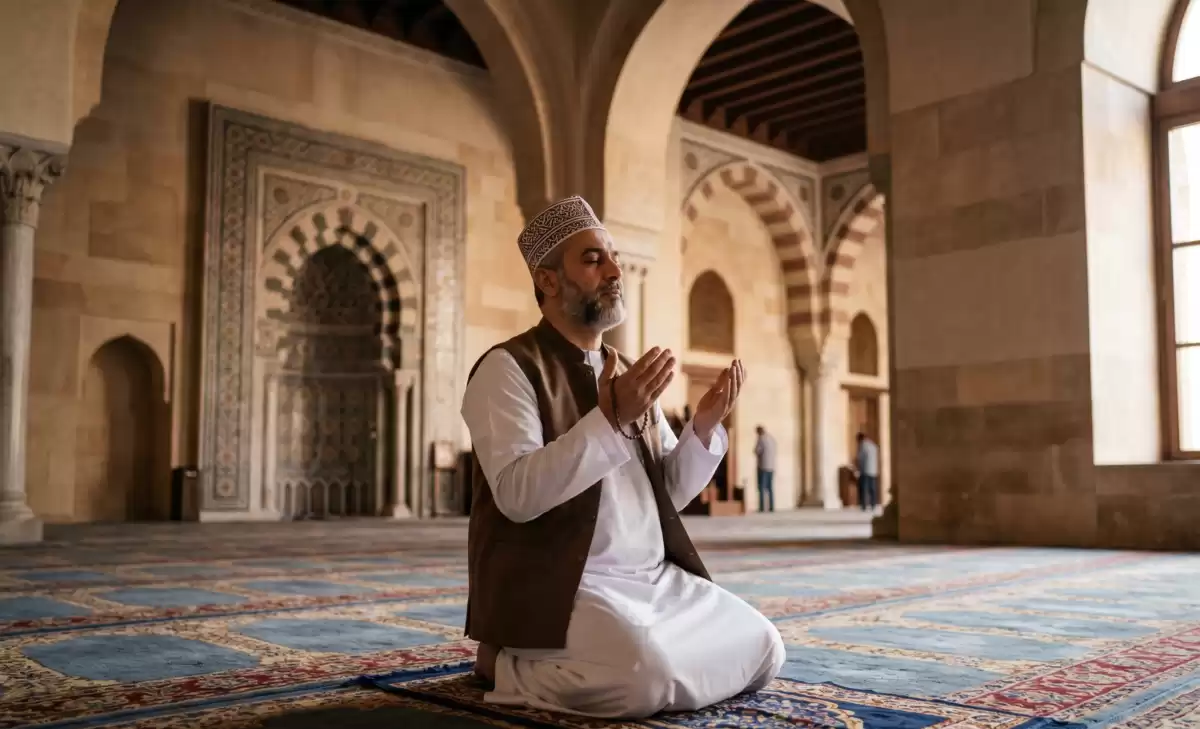
Deciding when to pray istikhara depends on the urgency and nature of the decision you are facing. While there is no strict rule dictating the timing, Islamic scholars and traditions offer guidance to maximize the prayer’s effectiveness.
The most common times to perform istikhara include:
- Before making a major decision: Whether it’s choosing a career path, selecting a life partner, or deciding between two options, istikhara helps align your choice with Allah’s will.
- During periods of uncertainty, if you feel stuck or overwhelmed by options, praying istikhara can provide clarity and peace of mind.
- After seeking other forms of advice, consulting with trusted individuals, or researching thoroughly before turning to istikhara, ensures that your prayer is sincere and not influenced by impulsive decisions.
- During the last third of the night, Many Muslims prefer this time due to its spiritual significance, as it is believed to be a period when prayers are more likely to be answered.
Signs that indicate the right time to pray istikhara:
- You feel a strong need for divine guidance.
- You have exhausted all human means of advice.
- You are struggling to decide through thorough research.
- You feel a sense of peace when considering the prayer.
It’s important to note that istikhara is not a last-minute solution but a proactive step in seeking Allah’s wisdom. The prayer itself is a reminder that while we strive to make the best choices, ultimate guidance comes from Allah.
عن جابر بن عبدالله رضي الله عنه، قال رسول الله صلى الله عليه وسلم: «كَانَ رَسُولُ اللَّهِ ﷺ يُعَلِّمُنَا الِاسْتِخَارَةَ فِي الْأُمُورِ كُلِّهَا كَمَا يُعَلِّمُنَا السُّورَةَ مِنَ الْقُرْآنِ»
— صحيح البخاري
(Narrated by Jabir ibn Abdillah, the Messenger of Allah ﷺ said: “He used to teach us istikhara in all matters as he used to teach us a surah from the Quran”)
— Sahih Al-Bukhari
Definition and meaning of Dua e Istikhara
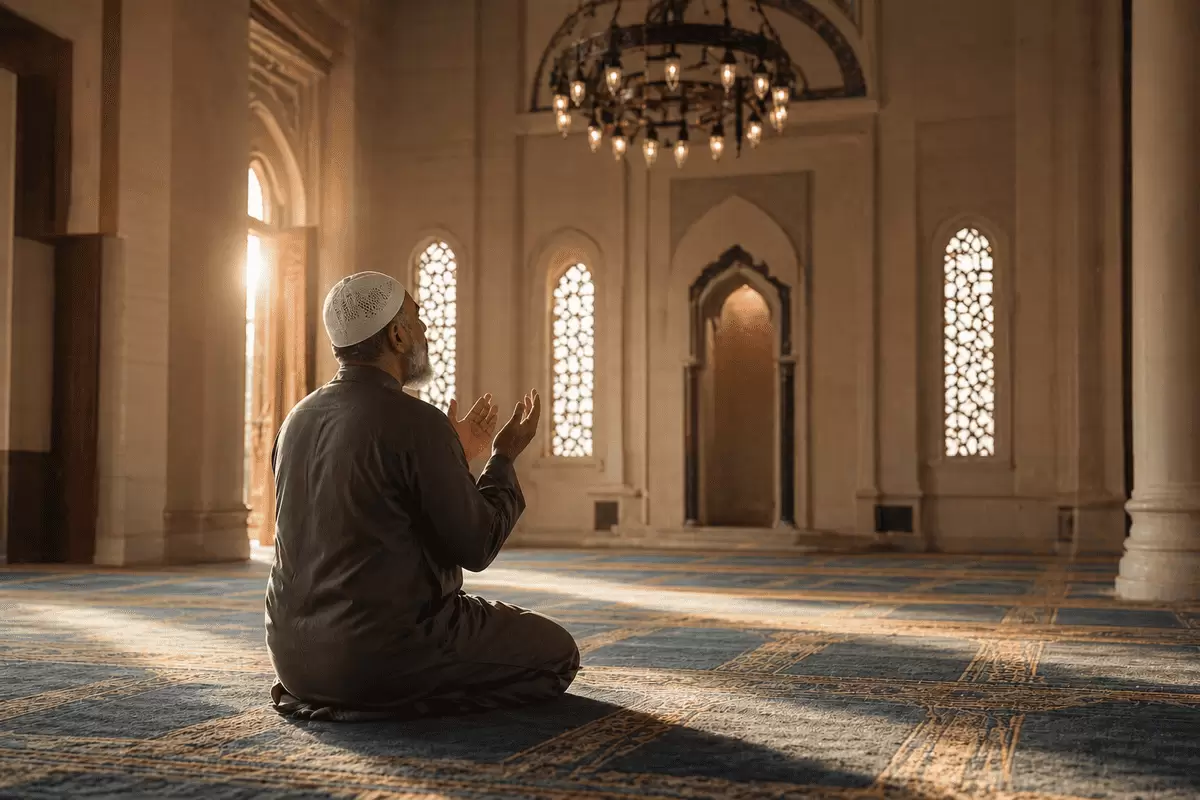
The dua e istikhara is a specific supplication recited after performing the two rak’ahs of Salat al-Istikhara. Its meaning revolves around asking Allah for guidance, wisdom, and the ability to recognize what is best for one’s life. The term istikhara itself means “to seek good” or “to choose the better option” — not a prayer for a specific outcome but rather a plea for clarity and the strength to act upon what is revealed.
The dua e istikhara in Arabic:
اللَّهُمَّ إِنِّي أَسْأَلُكَ بِعِلْمِكَ خَيْرَ كُلِّ شَيْءٍ وَأَسْأَلُكَ بِقُدْرَتِكَ عَلَى كُلِّ شَيْءٍ وَأَسْأَلُكَ بِأَنْ تَسْتَطِيعَ كُلَّ شَيْءٍ أَنْ تَجْعَلَ خَيْرَ هَذَا الأَمْرِ خَيْرًا لِي ثُمَّ تَرْضَاهُ
(Allahumma inni as’aluka bi’ilmika khayra kulli shay’in wa as’aluka biqudratika ‘ala kulli shay’in wa as’aluka bi-anna tastati’a kulli shay’in an taj’ala khayra hadha al-amri khayran li thumma tardhahu.)
The dua e istikhara in English:
“O Allah, I ask You by Your knowledge of all things, and by Your power over all things, and by Your ability to do all things, to make the best of this matter for me and to make me satisfied with it.”
The power of this dua lies in its humility and reliance on Allah’s infinite wisdom — a testament to the Islamic belief that while humans strive to make decisions, true guidance comes from the Divine. It serves as a spiritual anchor in times of doubt, reinforcing the idea that Allah is the best planner and decision-maker.
Full text of Dua e Istikhara
Here is the complete dua e istikhara in Arabic, followed by its English translation:
Arabic Text:
اللَّهُمَّ إِنِّي أَسْأَلُكَ بِعِلْمِكَ خَيْرَ كُلِّ شَيْءٍ وَأَسْأَلُكَ بِقُدْرَتِكَ عَلَى كُلِّ شَيْءٍ وَأَسْأَلُكَ بِأَنْ تَسْتَطِيعَ كُلَّ شَيْءٍ أَنْ تَجْعَلَ خَيْرَ هَذَا الأَمْرِ خَيْرًا لِي ثُمَّ تَرْضَاهُ
اللَّهُمَّ إِنْ كُنْتَ تَعْلَمُ أَنَّ هَذَا الأَمْرَ خَيْرٌ لِي فِي دِينِي وَمَعَاشِي وَعَاقِبَةِ أَمْرِي فَاقْدُرْهُ لِي وَيَسِّرْهُ ثُمَّ بَارِكْ لِي فِيهِ
اللَّهُمَّ إِنْ كُنْتَ تَعْلَمُ أَنَّ هَذَا الأَمْرَ شَرٌّ لِي فِي دِينِي وَمَعَاشِي وَعَاقِبَةِ أَمْرِي فَاصْرِفْهُ عَنِّي وَاصْرِفْنِي عَنْهُ وَاقْدُرْ لِي الْخَيْرَ حَيْثُ كَانَ ثُمَّ ارْضَانِ
English Translation:
“O Allah, I ask You by Your knowledge of all things, and by Your power over all things, and by Your ability to do all things, to make the best of this matter for me and to make me satisfied with it.
O Allah, if You know that this matter is good for me in my religion, my livelihood, and my final affairs, then ordain it for me and make it easy for me, and then bless me in it.
O Allah, if You know that this matter is harmful to me in my religion, my livelihood, and my final affairs, then turn it away from me and turn me away from it, and ordain for me what is good wherever it may be, and make me satisfied with it.”
Reciting this dua after the two rak’ahs of Salat al-Istikhara reflects a believer’s trust in Allah’s plan and their willingness to accept whatever outcome He deems best. It is not a request for a specific answer but a plea for divine wisdom to recognize the best path forward.
Detailed Explanation of the Dua
The dua e istikhara addresses three critical aspects of decision-making: knowledge, power, and satisfaction.
1. Invoking Allah’s Knowledge, Power, and Ability
- By Your knowledge (بِعِلْمِكَ): Acknowledges that Allah knows what is best, reinforcing trust in divine wisdom over personal judgment.
- By Your power (بِقُدْرَتِكَ): Highlights Allah’s ability to alter circumstances and remove obstacles toward the best outcome.
- By Your ability (بِأَنَّ تَسْتَطِيعَ): Reinforces that nothing is beyond Allah’s capacity.
2. Seeking the Best Outcome and Satisfaction
- To make the best of this matter: A request for divine guidance in recognizing what is truly beneficial spiritually and worldly.
- To make me satisfied with it: A plea for inner peace and acceptance of Allah’s decree.
3. Conditional Requests
- If beneficial: Asks Allah to ordain it, make it easy, and bless it — in religion, livelihood, and final affairs.
- If harmful: Asks Allah to turn it away, guide the heart elsewhere, and ordain what is good instead.
4. Patience and Reflection
- Observe signs from Allah — feelings of peace, external events, or dreams.
- Consult trusted scholars alongside the prayer.
- Avoid impulsive decisions and trust Allah’s timing.
5. Practical Benefits
- Reduces anxiety and indecision.
- Encourages mindfulness and gratitude.
- Strengthens faith and promotes holistic decision-making.
How does the Arabian Tongue shape your journey of learning the Quran and Arabic?
At Arabian Tongue, we help you understand the Quran deeply and connect with its meanings through simple and effective teaching methods. Our courses are designed to make your learning journey clear, engaging, and spiritually enriching.
Guidance from the Quran and Hadith
﴿قَالَ اللهُ تَعَالَى: وَشَاوِرْهُمْ فِي الْأَمْرِ فَإِذَا عَزَمْتَ فَتَوَكَّلْ عَلَى اللَّهِ﴾
— سورة آل عمران، آية 159
(Allah the Almighty said: “And consult them in the matter, and when you have decided, put your trust in Allah”)
— Surah Al-Imran, Verse 159
عن أنس بن مالك رضي الله عنه، قال رسول الله صلى الله عليه وسلم: «مَا خَابَ مَنِ اسْتَخَارَ وَلَا نَدِمَ مَنِ اسْتَشَارَ»
— رواه الطبراني
Narrated by Anas ibn Malik, the Messenger of Allah ﷺ said: “Whoever performs istikhara will not fail, and whoever seeks counsel will not regret”)
— Narrated by Al-Tabarani
FAQs
When should I recite Dua e istikhara?
Recite it when facing a significant decision — such as marriage, career, or relocation — after exhausting all human means of advice. The best time is the last third of the night, though it can be performed at any time.
Can I read the istikhara dua without prayer?
The complete Salat al-Istikhara requires two rak'ahs before the dua, as this is the established Sunnah. However, incorporating the dua into your regular prayers is also acceptable according to some scholars.
How many times can I repeat istikhara?
There is no fixed limit — it can be repeated until the heart finds clarity and peace. However, scholars recommend repeating it up to seven times if no clear answer is felt after the first.
How do I know the result of istikhara?
The result is not necessarily a dream or a sign, but rather a feeling of ease and contentment toward one option over another. Trust whatever path your heart inclines to after the prayer, as this is considered Allah's guidance.