
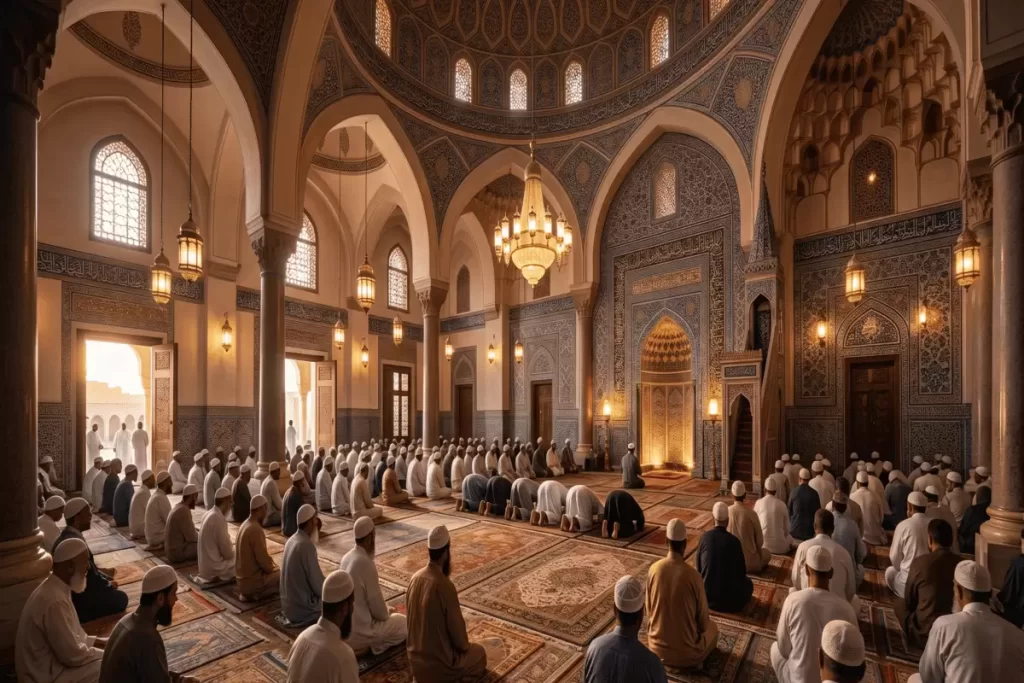
There is something about the world at Fajr time that feels different — the silence, the stillness, the sense that something sacred is happening while everyone else is asleep. The believers who rise at that hour know a secret that the rest of the world sleeps through. One prayer, before the day even begins, and Allah guarantees your protection, the angels testify on your behalf, and your entire day is wrapped in barakah. The question is not whether Fajr is worth it — the question is what we are losing every morning we choose the pillow over the prayer mat.
The meaning of Fajr linguistically and in the Islamic context
Linguistically, the term “fajr” (فجر) derives from the Arabic root “fajara”, meaning “to break dawn” or “to disperse darkness.” In the Quran, it appears in Surah Al-Fajr (1), where Allah describes the moment when the truth becomes evident, and falsehood dissipates. This dual meaning—both the act of dawn and the revelation of truth—highlights the “fajr”’s spiritual significance.
وَالْفَجْرِ ) سورة الفجر:1)
“By the dawn” -Surah Al-Fajr:1
In Islamic jurisprudence, “fajr” refers specifically to the time between the true dawn (when the sky lightens before sunrise) and sunrise. This period is critical because praying after the true dawn but before sunrise is considered valid, whereas praying after sunrise is prohibited. The distinction between true dawn and false dawn (where light appears but does not persist) is essential for determining the correct time for “fajr”.
The “fajr” prayer is one of the five obligatory prayers in Islam, and its timing is determined by astronomical calculations based on the sun’s position.
How to perform Fajr prayer and the number of rak‘ahs?
Performing the “fajr” prayer correctly is essential for its spiritual benefits. The “fajr” consists of “two rak’ahs”, which are obligatory for all adult Muslims. Before beginning, it is recommended to perform “pray before fajr” (Sunnah prayers), which include two additional rak’ahs. These voluntary prayers are highly encouraged, as the Prophet (ﷺ) said, “The best prayer after the obligatory prayers is the prayer at night, and the best prayer at night is the prayer before fajr.””
To perform the “fajr” prayer:
- “Intention (Niyyah)”: Begin with the intention of praying the “fajr” prayer.
- “Takbir (Allahu Akbar)”: Raise hands to ears and say “Allahu Akbar”.
- “Recitation”:
- Read “AlAl-Fatiha followed by a Surah (e.g., “Al-Ikhlas” or “Al-Kafiroon”).
- Bow (“Ruku”) and say “Subhana Rabbiyal ‘Adheem” three times.
- Stand up and say “Sami Allahu Liman Hamidah”.
- Prostrate (“Sujud”) twice, saying “Subhana Rabbiyal A’la” each time.
- “Second Rak’ah”: Repeat the same steps, then sit for “Tashahhud” and “Salam”.
For those who struggle with consistency, breaking the prayer into smaller, manageable steps can help. For example:
- Start with just the obligatory two rak’ahs if waking up early is difficult.
- Gradually incorporate “pray before Fajr” as strength and discipline improve.
- Use reminders or prayer apps to stay on track.
The “fajr” prayer is a test of commitment, and its rewards are immense.
«قال رسول الله ﷺ: مَنْ صَلَّى الصُّبْحَ فِي جَمَاعَةٍ فَكَأَنَّمَا قَامَ اللَّيْلَ كُلَّهُ»
“The Messenger of Allah ﷺ said: Whoever prays Fajr in congregation, it is as if he prayed the whole night.”
صحيح مسلم | Sahih Muslim, 656
Sunnah prayers related to Fajr
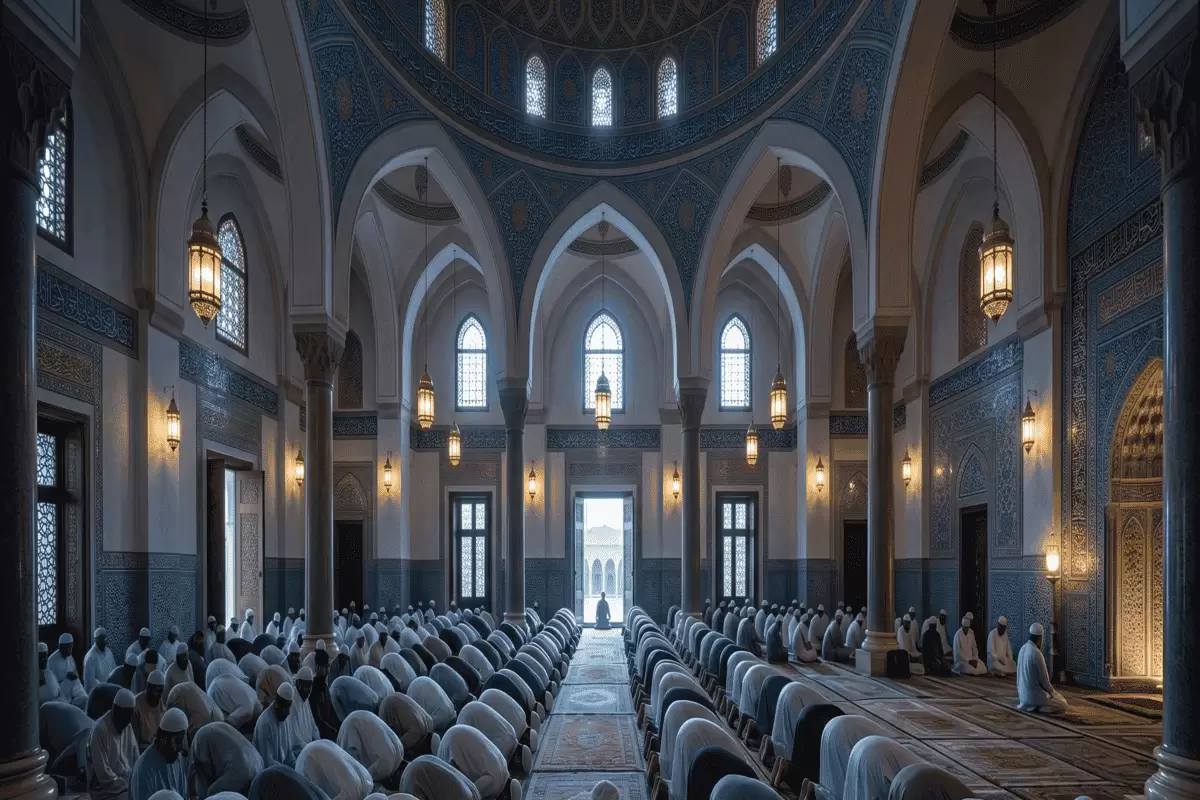
In addition to the obligatory “fajr” prayer, there are several “Sunnah” (recommended) prayers that can be performed before or after the “fajr” prayer. These include:
1. “Qiyamul Lail (Night Prayers).”
Voluntary prayers performed between “Isha” and Fajrr”:
- The Prophet (ﷺ) often prayed 8 to 12 rak’ahs Qiyam Lail, adjusting based on energy levels.
Best performed in odd numbers (e.g., 2, 4, 6, 8, 10, or 12 rak’ahs).
2. “Sunnah Before Fajr (Pray Before Fajr).”
Two rak’ahs performed before the obligatory “fajr” prayer:
- The Prophet (ﷺ) emphasized its importance, saying angels witness it.
Can be performed at home or in the mosque.
3. “Sunnah After Fajr.”
Two rak’ahs performed after the obligatory “fajr” prayer.
- Includes reciting “Surah Al-Kafiroon” or “Al-Ikhlas” in the first rak’ah and “Al-Ikhlas” again in the second.
4. “Dua to Read After Fajr.”
After completing the prayer, Muslims can recite:
- “Allahumma inni as’aluka ‘ilma nafi’an, wa rizqan tayyiban, wa ‘amalan mutaqabbalan.”
Spiritual and Psychological Benefits of Fajr
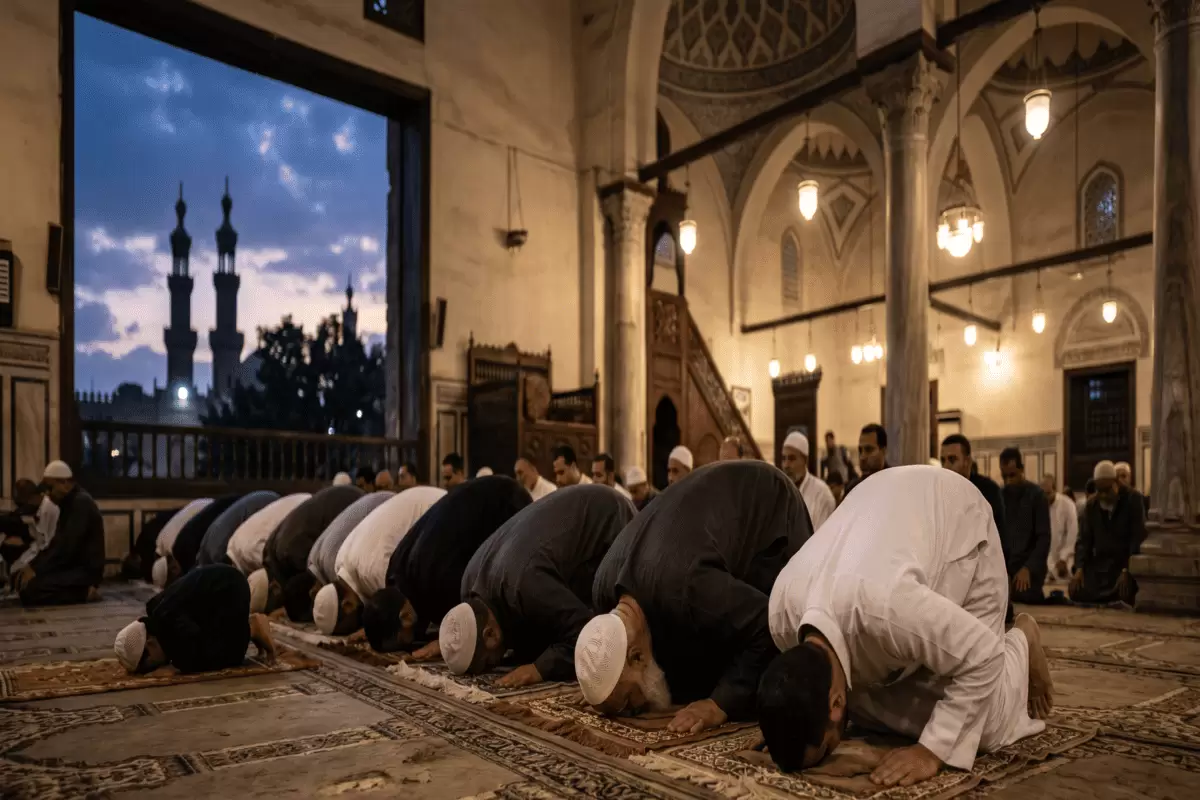
Fajr prayer is more than an obligation — it’s a daily reset for the soul and mind, offering benefits that shape every hour that follows.
Spiritual Benefits:
- Deepens your connection with Allah in the purest, quietest hours of the day
- Opens the door to forgiveness, mercy, and answered duas
- Provides spiritual protection and keeps the heart aligned with faith
Psychological Benefits:
- Reduces stress and anxiety through mindful, structured worship
- Builds self-discipline that carries over into daily life
- Strengthens emotional resilience and fosters a positive mindset
- Regulates sleep patterns and improves overall energy levels
The Virtues and Rewards of Fajr Prayer
Fajr prayer is not just a religious duty — it is a covenant between the believer and Allah that sets the tone for the entire day. The Prophet ﷺ spoke of its virtues in ways that should make every Muslim pause and reflect on what they may be missing.
- You wake up, Allah brags about you. — When a servant leaves their warm bed to pray Fajr, Allah says to His angels: “Look at My servant, he left his sleep and his comfort for Me.”
- Two rak’ahs before Fajr are worth more than the whole world. — The Prophet ﷺ said: “The two rak’ahs of Fajr are better than the world and everything in it.” — Sahih Muslim
- You pray Fajr, you’re under Allah’s guarantee for the day. — The Prophet ﷺ said: “Whoever prays Fajr is under the protection of Allah.” — Sahih Muslim
- It literally keeps hypocrisy out of your heart. — The heaviest prayers on the hypocrites were Isha and Fajr — guarding them is a sign of true faith.
- Your name is mentioned in the heavens. — The angels of the night and the angels of the day meet at Fajr, and they both ascend to Allah, testifying that they found you in prayer.
- It is the prayer Allah Himself swore by. — In Surah Al-Fajr, Allah swears by the dawn — a divine oath that points to how sacred this moment truly is.
- Fajr is the gate to a blessed day. — The Prophet ﷺ said: “O Allah, bless my nation in their early mornings.” — Ibn Majah — meaning the barakah of your entire day is tied to how it begins.
Common mistakes related to Fajr prayer
Many Muslims pray Fajr yet unknowingly fall into habits that reduce its reward. Some delay it close to sunrise, others rush through it without focus, and many skip the sunnah rak’ahs beforehand. Praying alone when the mosque is nearby, or going straight back to sleep after finishing, are also missed opportunities that strip the prayer of much of its blessing.
How does the Arabian Tongue shape your journey of learning the Quran and Arabic?
At Arabian Tongue, we help you understand the Quran deeply and connect with its meanings through simple and effective teaching methods. Our courses are designed to make your learning journey clear, engaging, and spiritually enriching.
Guidance from the Quran and Hadith
Quranic Evidence
أَقِمِ الصَّلَاةَ لِدُلُوكِ الشَّمْسِ إِلَىٰ غَسَقِ اللَّيْلِ وَقُرْآنَ الْفَجْرِ ۖ إِنَّ قُرْآنَ الْفَجْرِ كَانَ مَشْهُودًا» سورة الإسراء17»
“Establish prayer at the decline of the sun until the darkness of the night, and the Quran of dawn. Indeed, the recitation of dawn is ever witnessed.”-_Surah Al-Isra 17
قال رسول الله ﷺ: «رَكْعَتَا الْفَجْرِ خَيْرٌ مِنَ الدُّنْيَا وَمَا فِيهَا
“The two rak’ahs of Fajr are better than the world and everything in it.” — صحيح مسلم | Sahih Muslim, 725
FAQs
When does Fajr start and end?
Fajr begins at true dawn, when a horizontal white light spreads across the horizon, and ends just before sunrise. Missing this window means the prayer is considered qadaa (makeup), not on time.
What is the difference between a true dawn and a false dawn?
False dawn is a brief vertical light that appears and disappears, while true dawn is the real horizontal light that spreads and stays. Fajr time only begins with true dawn, not the false one.
Is it allowed to delay Fajr prayer?
It is permissible to pray anywhere within the Fajr window, but delaying it without a valid reason is disliked. Praying at the earliest time is always more rewarding and closer to the Sunnah.
How does Fajr impact daily life?
Starting the day with Fajr brings barakah, mental clarity, and a sense of purpose that carries through every hour. People who guard their Fajr consistently report better focus, discipline, and an overall feeling of their day being more structured and blessed.