
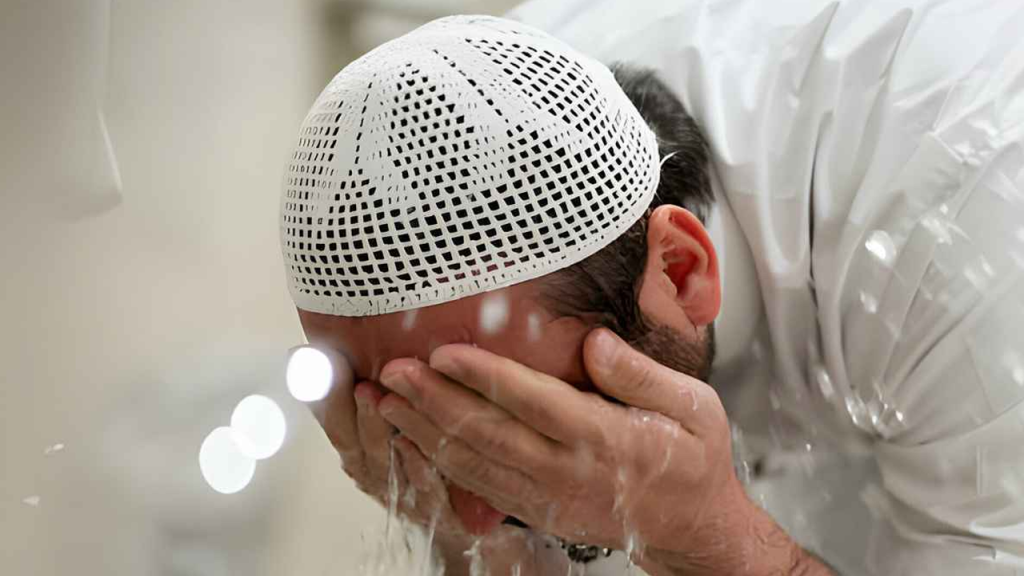
Every day, five times a day, Muslims around the world perform a ritual that has been practiced for over 1,400 years, and most of them have never stopped to think about how powerful it truly is. Wudu is not just about clean hands and a washed face. It is a moment where sins are forgiven, angels bear witness, and the believer steps out of the noise of the world and into the presence of Allah. What happens in those few minutes before prayer matters more than most of us realize.
Meaning of Wudu Linguistically and in Islam
The term wudu (وُضُوء) derives from the Arabic verb “wada’a” (وَضَأَ), meaning to be clean or pure, reflecting its essence as a ritual of purification. In Islamic terminology, it refers to washing specific parts of the body in a prescribed manner, serving as a prerequisite for prayer and other acts of worship. Beyond physical cleanliness, wudu symbolizes spiritual renewal, aligning both the heart and body for devotion before standing before Allah. The Quran and Sunnah emphasize its importance extensively, with the Prophet ﷺ stating that no prayer is accepted without it. This makes wudu not merely a ritual, but a spiritual necessity that connects the believer to Allah.
Step-by-Step Guide to Performing Wudu
Performing wudu correctly is essential for its validity and spiritual benefit. Below is a detailed ‘wudu steps’ guide, based on the teachings of the Prophet Muhammad (peace be upon him):
- Intention (Niyyah): Begin with the intention of performing wudu ‘u’ for the sake of Allah. This intention can be as simple as saying in your heart, “I intend to perform wudu ‘du’ to purify myself for prayer.”
- Washing the Hands: Wash your hands thoroughly, starting from the fingertips to the wrists, ensuring all dirt and impurities are removed. This step is crucial as it prepares the hands for the subsequent acts of ‘wudu ‘.
- Rinsing the Mouth: Use your right hand to take water into your mouth, swish it around, and then spit it out. This act symbolizes the purification of speech and the intention to speak only what is pleasing to Allah.
- Cleaning the Nose: Inhale water into your nose using your right hand, then exhale it. This step ensures that the nasal passages are cleansed, aligning with the holistic approach of wudu ‘u’.
- Washing the Face: Wash your entire face, from the forehead to the chin and ear to ear, using your hands. This act covers the entire facial area, ensuring comprehensive cleanliness.
- Washing the Arms: ash your right arm from the fingertips to the elbow, then repeat with the left arm. This step emphasizes the importance of cleanliness in all parts of the body that will be used in prayer.
- Washing the Head: Pass your wet hands over your head, ensuring that water reaches the hair and scalp. This act is symbolic of the purification of thoughts and intentions.
- Washing the Ears: Use your index fingers to clean the inside of your ears, ensuring no dirt or wax remains. This step is often overlooked but is integral to the completeness of wudu ‘du’.
- Washing the Feet: Finally, wash your right foot from the toes to the ankle, then repeat with the left foot. This step completes the ritual, ensuring that all parts of the body involved in prayer are purified.
- Final Review: After completing these steps, review each part to ensure nothing was missed. The Prophet (peace be upon him) emphasized the importance of thoroughness in ‘wudu ‘, stating that even a single part left unwashed invalidates the ritual.
Conditions for Valid Wudu
For ‘wudu ‘ to be valid, several conditions must be met. These conditions ensure that the ritual is performed correctly and with the right intentions. Below are the key conditions:
- Being a Muslim: Only a Muslim can perform ‘wudu ‘ as it is an act of worship specific to Islam. Non-Muslims are not required to perform wudu.
- Sanity and Adulthood: The individual performing wudu ‘u must be of sound mind and have reached the age of puberty. Children and those with mental impairments are exempt from this obligation.
- Water Availability: Water must be available and permissible for use. If water is not accessible, alternatives like “tayammum” (dry ablution) may be used under specific conditions.
- Intention (Niyyah): The intention to perform ‘wudu ‘ must be present in the heart. Without this intention, the act does not count as a valid wudu.
- Timing: Wudu’ must be performed before acts that require it, such as prayer or touching the Quran. It is not valid if performed after the need arises without interruption.
Obligatory Acts of Wudu
The obligatory acts of wudu are the essential components that must be performed to ensure its validity, derived directly from the teachings of the Prophet Muhammad ﷺ. Below are the obligatory acts:
- Washing the Face: From the hairline to the chin and ear to ear — this fundamental act cannot be skipped.
- Washing Both Arms: Both arms must be washed from fingertips to elbows. Skipping either arm invalidates the wudu.
- Wiping the Head: Wet hands must pass over the head, ensuring water reaches the hair and scalp.
- Washing Both Feet: Both feet must be washed from toes to ankles, completing the physical purification.
- Sequence and Continuity: Acts must follow the correct order without significant interruption, or the wudu is invalidated.
Failing to perform any of these acts means the wudu is invalid and must be repeated.
Surah Al-Ma’idah 5:6 — «يَا أَيُّهَا الَّذِينَ آمَنُوا إِذَا قُمْتُمْ إِلَى الصَّلَاةِ فَاغْسِلُوا وُجُوهَكُمْ وَأَيْدِيَكُمْ إِلَى الْمَرَافِقِ وَامْسَحُوا بِرُءُوسِكُمْ وَأَرْجُلَكُمْ إِلَى الْكَعْبَيْنِ»
“O you who have believed, when you rise to perform prayer, wash your faces and your hands up to the elbows, wipe over your heads, and wash your feet to the ankles.”
Recommended Sunnah Acts of Wudu
In addition to the obligatory acts, there are recommended sunnah acts of wudu that are highly encouraged based on the practices of the Prophet Muhammad ﷺ. Below are the key Sunnah acts:
- Saying the Intention (Niyyah): While intention is obligatory, saying it aloud or in the heart adds spiritual value to the wudu.
- Using Siwak (Miswak: Using siwak before wudu cleanses the mouth and enhances the purification process.
- Starting with the Right Side: Beginning with the right hand for washing the face, arms, or feet aligns with the Prophet’s ﷺ practices.
- Rinsing the Mouth and Nose Three Times: The Prophet ﷺ recommended rinsing both the mouth and nose three times for thorough cleanliness.
- Wiping the Ears: Wiping the outer ears beyond the obligatory inner part adds to the completeness of the ritual.
- Combining Acts Where Possible: Combining acts such as wiping the head and ears together is a sunnah that saves time and effort.
- Reciting Dua After Wudu: After completing wudu, it is recommended to recite the shahada and supplicate to Allah, as taught by the Prophet ﷺ.
Actions That Invalidate Wudu
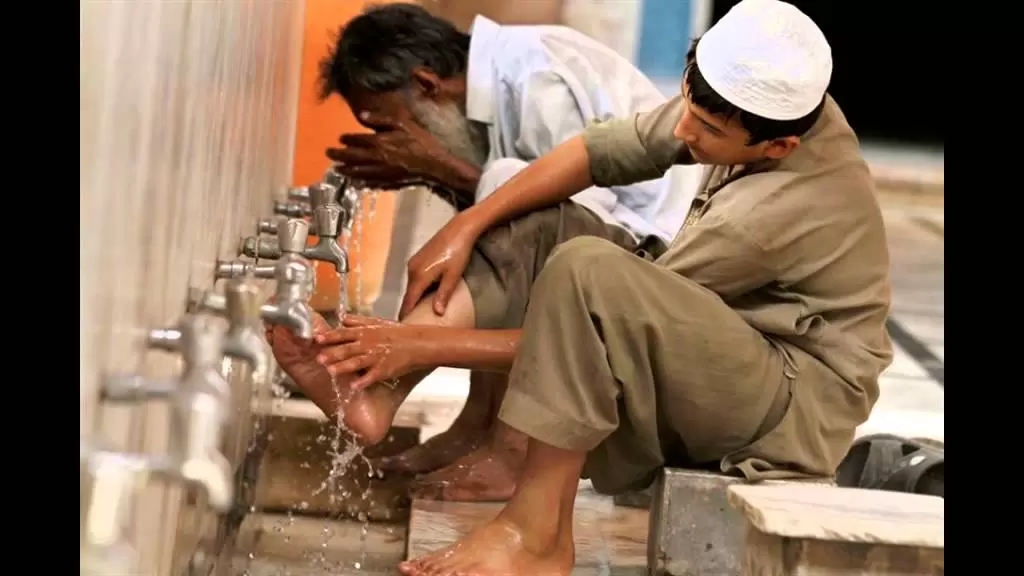
Understanding what invalidates wudu is crucial for maintaining its validity until the next prayer or act of worship. The following actions will break wudu, necessitating its renewal:
- Passing Wind or Ga : Any release of gas, whether intentional or not, invalidates wudu immediately.
- Urination or Defecation: Any discharge of urine or stool breaks the state of purity and requires wudu to be repeated.
- Sleeping deeply: Deep sleep where one loses full awareness, invalidates wudu, while light dozing generally does not.
- Losing Consciousness: Fainting or any state of unconsciousness, including medically induced, breaks wudu entirely.
- Touching the Private Parts with the Hand: Direct contact with the genitals or anus with the hand invalidates wudu, regardless of intent.
- Menstruation or Postpartum Bleeding: For women, these states invalidate wudu and require a full ghusl rather than wudu alone.
- Ejaculation or Seminal Discharge: Any emission of semen, whether voluntary or involuntary, breaks wudu and requires renewal.
- Eating Camel’s Meat: Consuming camel meat invalidates wudu according to some scholarly opinions.
- Touching Private Parts of the Opposite Gender: Some scholars hold that touching a non-mahram invalidates wudu, though this remains a debated ruling.
- Excessive Uncontrollable Laughter: Laughter so intense that it causes loss of bodily control may invalidate wudu.
قال رسول الله ﷺ: «لَا تُقْبَلُ صَلَاةٌ بِغَيْرِ طَهُورٍ»
“No prayer is accepted without purification.” — صحيح مسلم | Sahih Muslim, 224
Virtues of Wudu in Islam
Wudu is far more than physical cleansing — it is a spiritual act loaded with divine rewards that the Prophet ﷺ emphasized throughout his teachings.
- Acceptance of Prayers.
- Expiation of Sins.
- Spiritual Elevation.
- Protection from Harm.
- Purification of the Heart.
- A Means of Seeking Forgiveness.
- Strengthening Faith.
- A Source of Barakah.
Relationship Between Wudu and Prayer
The relationship between wudu and salat is foundational in Islam — without wudu, prayer is not accepted, making it an absolute condition for every salat. Beyond validity, it shifts the believer from daily distractions into a state of mindfulness before Allah, purifying both body and heart for a deeper connection during prayer.
How does the Arabian Tongue shape your journey of learning the Quran and Arabic?
At Arabian Tongue, we help you understand the Quran deeply and connect with its meanings through simple and effective teaching methods. Our courses are designed to make your learning journey clear, engaging, and spiritually enriching.
Guidance from the Quran and Hadith
Surah Al-Baqarah 2:222 — «إِنَّ اللَّهَ يُحِبُّ التَّوَّابِينَ وَيُحِبُّ الْمُتَطَهِّرِينَ»
“Indeed, Allah loves those who repent and loves those who purify themselves.”
قال رسول الله ﷺ: «مَنْ تَوَضَّأَ فَأَحْسَنَ الْوُضُوءَ خَرَجَتْ خَطَايَاهُ مِنْ جَسَدِهِ حَتَّى تَخْرُجَ مِنْ تَحْتِ أَظْفَارِهِ» “Whoever performs wudu perfectly, his sins will leave his body, even from beneath his fingernails.” — صحيح مسلم | Sahih Muslim, 245
FAQs
Is wudu required before every prayer?
Yes, wudu is required before every prayer and is an absolute condition for its validity. If wudu is not broken between prayers, the same wudu can be used for multiple prayers.
What are the benefits of wudu in Islam?
Wudu expiates minor sins, elevates the believer's spiritual state, and brings barakah into daily life. The Prophet ﷺ described it as a light that illuminates the believer on the Day of Resurrection.
What are common mistakes in wudu?
Among the most common mistakes are not washing the limbs thoroughly, skipping between acts without continuity, and neglecting the sunnah steps that complete the ritual.
Can Tayammum replace wudu?
Tayammum is a valid substitute for wudu only when water is unavailable or its use would cause harm. Once water becomes accessible, wudu must be performed again.