
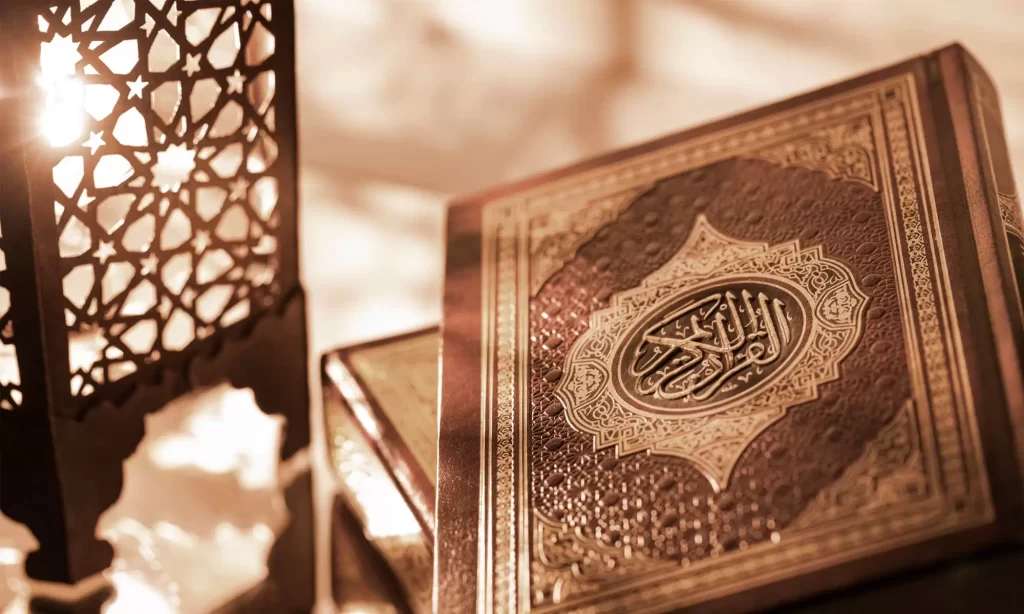
Every Muslim carries within them a responsibility, not just to worship, but to truly understand what they believe and why. Islam is not a faith of blind rituals; it is a complete way of life built on knowledge, conviction, and conscious devotion. From the pillars that structure daily worship to the moral values that shape every interaction, knowing the facts of your Deen is what transforms faith from a label into a living, breathing reality that guides every step you take.
facts every muslim should know
Understanding the core facts every Muslim should know is the foundation of a strong Islamic identity. These facts shape character, guide actions, and deepen one’s connection with faith, serving as a compass that ensures every decision aligns with divine wisdom.
-
The Five Pillars of Islam and Their Importance
The five pillars of Islam define a Muslim’s relationship with Allah and their community. These pillars, Shahada, Salah, Zakat, Sawm, and Hajj, are not just rituals but expressions of submission, gratitude, and brotherhood, creating a balanced framework for a Muslim’s life.
- Shahada: The verbal affirmation of faith, “There is no god but Allah, and Muhammad is His messenger,” is not a one-time act but a lifelong commitment that sets the tone for worship, morality, and personal relationships.
- Salah: The five daily prayers act as a spiritual reset, grounding Muslims in mindfulness and devotion. Each movement, from standing to bowing to prostrating, mirrors the humility and reverence required in worship.
- Zakat: More than financial giving, Zakat is spiritual purification. By giving a portion of wealth to those in need, Muslims cleanse their hearts from greed and reinforce their commitment to social justice.
- Sawm: Fasting during Ramadan trains the soul to resist temptation, practice patience, and feel the hunger of the less fortunate, fostering heightened self-awareness and a stronger connection to Allah.
- Hajj: The pilgrimage to Mecca is a journey of self-reflection, unity, and submission. Its rituals remind Muslims of their shared heritage and transcend cultural and linguistic barriers, uniting millions in a single act of worship.
قال رسول الله ﷺ: (بُنِيَ الْإِسْلَامُ عَلَى خَمْسٍ)
The Prophet ﷺ said: “Islam is built upon five pillars.” (Sahih Al-Bukhari)
-
The Six Pillars of Faith
Beyond worship, Islam emphasizes six pillars of faith that define a Muslim’s beliefs and shape their worldview.
- Belief in Allah (Tawhid): The absolute belief in the Oneness of Allah is the foundation of Islamic monotheism, influencing every aspect of life from personal ethics to societal laws.
- Belief in His Angels: Muslims believe in angels created from light who play roles such as recording deeds and delivering revelations, reinforcing belief in the unseen world.
- Belief in His Books: Islam recognizes divine books revealed to different prophets, with the Quran as the final and unaltered word of Allah, serving as the ultimate source of guidance.
- Belief in His Messengers: Muslims believe in all prophets from Adam to Muhammad, whose stories serve as lessons in perseverance and faith across different eras.
- Belief in the Day of Judgment: The belief in the Day of Judgment encourages Muslims to lead righteous lives, providing comfort in hardship and reinforcing that justice will prevail in the hereafter.
- Belief in Divine Decree (Qadar): Qadar acknowledges Allah’s complete knowledge of all things while affirming human agency, encouraging believers to live with tawakkul (trust in Allah) while remaining active participants in their own journeys.
قال الله تعالى: (آمَنَ الرَّسُولُ بِمَا أُنزِلَ إِلَيْهِ مِن رَّبِّهِ وَالْمُؤْمِنُونَ)
Allah said: “The Messenger has believed in what was revealed to him from his Lord, and so have the believers.” (Surah Al-Baqarah: 285)
-
The Importance of Prayer in a Muslim’s Life
Prayer (Salah) is the spiritual heartbeat of a Muslim’s day, serving as a direct link between the worshipper and Allah. The five daily prayers, Fajr, Dhuhr, Asr, Maghrib, and Isha, structure a believer’s life around moments of mindfulness and connection.
- Salah as a Spiritual Reset: Stopping, purifying oneself, and focusing solely on Allah creates a mental and emotional reset, reducing stress and fostering discipline in daily life.
- The Structure of Salah: Each movement carries spiritual significance; standing represents alertness, bowing symbolizes humility, prostration reflects ultimate surrender, and sitting offers a moment of gratitude.
- Salah as a Discipline of the Heart: Performed with sincerity, Salah cultivates patience, humility, and self-control, nurturing the heart beyond physical actions.
- The Rewards of Salah: Consistent Salah offers light on the Day of Judgment, protection from sin, proximity to Allah, and intercession for the believer.
- Technology and Salah: Prayer apps, online recitation tools, and interactive learning platforms help modern Muslims maintain and deepen their practice while preserving the essence of worship.
قال الله تعالى: (إِنَّ الصَّلَاةَ كَانَتْ عَلَى الْمُؤْمِنِينَ كِتَابًا مَّوْقُوتًا)
Allah said: “Indeed, prayer has been decreed upon the believers a decree of specified times.” (Surah An-Nisa: 103)
-
Fasting and its spiritual benefits
Fasting (Sawm) during Ramadan is one of the most transformative experiences in Islam, training the soul through discipline, patience, and devotion. Its spiritual benefits extend far beyond abstaining from food and drink:
- Self-Discipline: Fasting trains the soul to resist temptation and control desires, strengthening willpower and moral character.
- Increased God-Consciousness (Taqwa): Abstaining from permissible acts reminds Muslims of Allah’s presence, deepening their sense of accountability.
- Empathy for the Less Fortunate: Experiencing hunger firsthand fosters compassion and generosity toward those in need.
- Spiritual Renewal: Ramadan serves as a monthly detox for the soul, offering an opportunity to break bad habits and establish stronger spiritual routines.
- Increased Worship: Fasting encourages more Quran recitation, night prayers (Qiyam), and supplication, bringing the believer closer to Allah.
قال الله تعالى: (يَا أَيُّهَا الَّذِينَ آمَنُوا كُتِبَ عَلَيْكُمُ الصِّيَامُ كَمَا كُتِبَ عَلَى الَّذِينَ مِن قَبْلِكُمْ لَعَلَّكُمْ تَتَّقُونَ)
Allah said: “O you who believe, fasting has been prescribed for you as it was prescribed for those before you, so that you may attain God-consciousness.” (Surah Al-Baqarah: 183)
-
Zakat and its role in society
Zakat is both a spiritual obligation and a powerful tool for social justice, extending far beyond individual giving:
- Wealth Purification: Zakat cleanses a Muslim’s wealth and heart from greed, reinforcing that all wealth belongs to Allah.
- Poverty Reduction: By redistributing wealth, Zakat addresses economic inequality and uplifts vulnerable communities.
- Social Cohesion: Zakat strengthens bonds between Muslims, fostering shared responsibility and brotherhood.
- Economic Stability: Regular distribution keeps wealth circulating, preventing its concentration in the hands of a few.
- Spiritual Growth: Giving Zakat cultivates generosity and God-consciousness, transforming it into an act of devotion.
قال الله تعالى: (وَأَقِيمُوا الصَّلَاةَ وَآتُوا الزَّكَاةَ وَارْكَعُوا مَعَ الرَّاكِعِينَ)
Allah said: “Establish prayer, give Zakat, and bow with those who bow.” (Surah Al-Baqarah: 43)
-
Hajj and its deeper meanings
Hajj is the ultimate act of submission, uniting millions of Muslims in a journey of faith and devotion:
- Submission to Allah: Identical rituals regardless of status reinforce complete surrender to Allah.
- Universal Brotherhood: Hajj unites Muslims of all races and backgrounds, reflecting Islam’s message of equality.
- Historical Connection: Hajj retraces the steps of Prophet Ibrahim, linking Muslims to their shared spiritual heritage.
- Spiritual Renewal: Hajj wipes away past sins, offering pilgrims a fresh start and deeper commitment to faith.
- Self-Reflection: Standing at Arafat reminds pilgrims of the Day of Judgment, encouraging sincere repentance.
قال الله تعالى: (وَلِلَّهِ عَلَى النَّاسِ حِجُّ الْبَيْتِ مَنِ اسْتَطَاعَ إِلَيْهِ سَبِيلًا)
Allah said: “Pilgrimage to the House is a duty owed to Allah by all people who can undertake it.” (Surah Al-Imran: 97)
-
Core Islamic morals and values
Islam’s moral framework shapes every aspect of a Muslim’s character:
- Honesty (Sidq): Truth guides Muslims in speech, action, and intention.
- Compassion (Rahma): Kindness to all creation reflects Allah’s own mercy.
- Justice (Adl): Islam demands fairness in all personal and social dealings.
- Humility (Tawadu): Recognizing Allah’s greatness keeps believers free from arrogance.
- Patience (Sabr): Enduring hardship with faith is among Islam’s highest virtues.
قال الله تعالى: (إِنَّ اللَّهَ يَأْمُرُ بِالْعَدْلِ وَالْإِحْسَانِ وَإِيتَاءِ ذِي الْقُرْبَىٰ)
Allah said: “Indeed, Allah commands justice, good conduct, and giving to relatives.” (Surah An-Nahl: 90)
-
The importance of the Quran and Sunnah
The Quran and Sunnah are the twin foundations of Islamic guidance:
- Divine Authority: The Quran is Allah’s word; the Sunnah is its practical application.
- Complete Guidance: Together, they address every dimension of worship, morality, and daily life.
- Preservation of Faith: Both have been meticulously preserved, keeping Islam’s message unchanged.
- Spiritual Nourishment: Regular engagement strengthens faith and connection with Allah.
- Legal Framework: Islamic law is derived directly from both sources.
قال الله تعالى: (إِنَّ هَذَا الْقُرْآنَ يَهْدِي لِلَّتِي هِيَ أَقْوَمُ)
Allah said: “Indeed, this Quran guides to that which is most suitable.” (Surah Al-Isra: 9)
- Repentance and seeking forgiveness
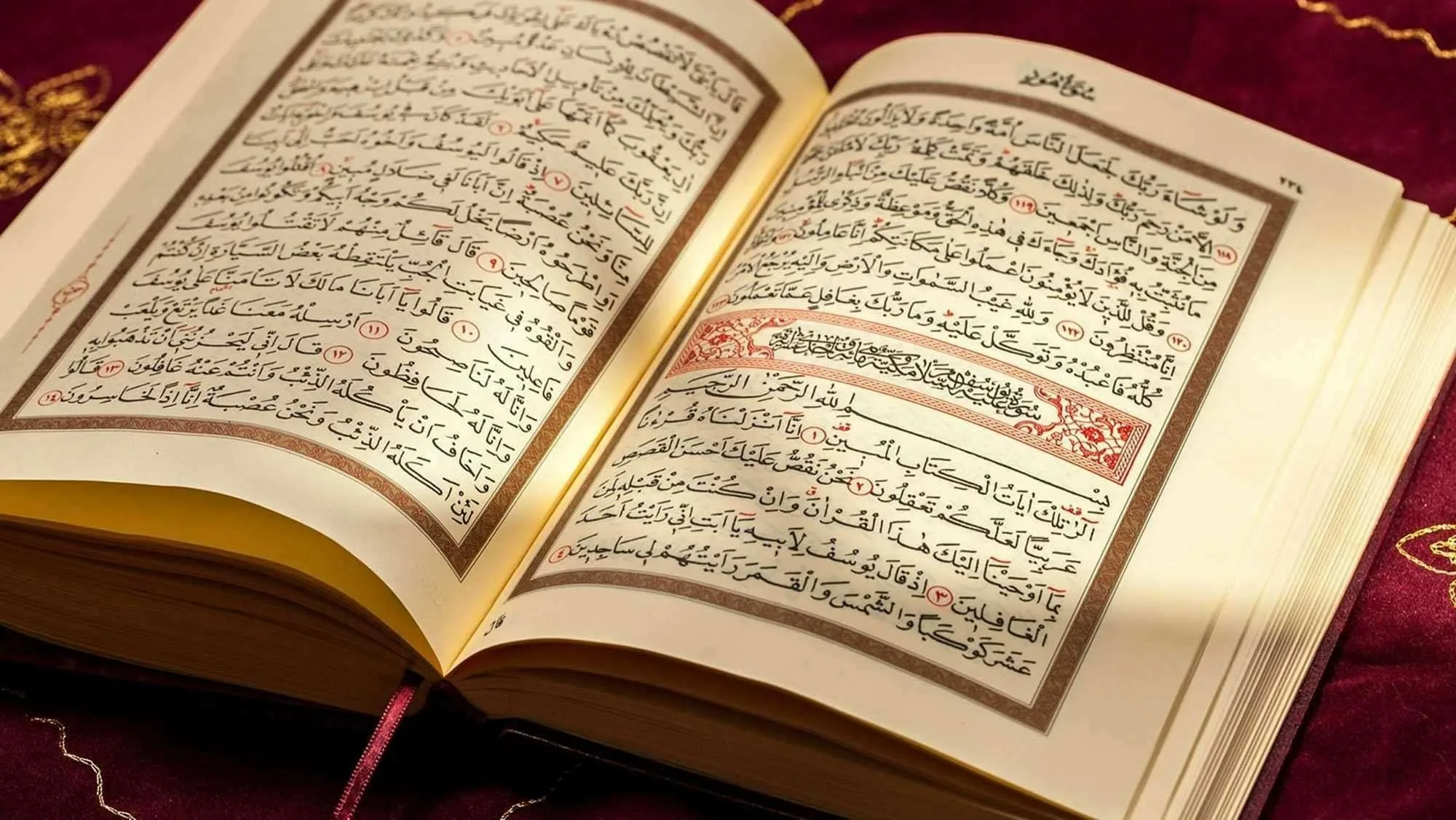
Repentance (Tawbah) is Allah’s gift to believers, offering a path back to Him no matter how far one has strayed:
- Allah’s Mercy: Allah accepts repentance at any time, reflecting His infinite compassion.
- Sincerity: True repentance requires genuine remorse and a firm intention not to return to sin.
- Spiritual Cleansing: Seeking forgiveness purifies the heart and restores one’s connection with Allah.
- Hope over Despair: Islam forbids losing hope in Allah’s mercy, no matter the size of one’s sins.
- Continuous Practice: Repentance is not a one-time act but a daily habit of self-reflection and renewal.
قال الله تعالى: (قُلْ يَا عِبَادِيَ الَّذِينَ أَسْرَفُوا عَلَىٰ أَنفُسِهِمْ لَا تَقْنَطُوا مِن رَّحْمَةِ اللَّهِ)
Allah said: “Say: O My servants who have transgressed against themselves, do not despair of the mercy of Allah.” (Surah Az-Zumar: 53)
How does the Arabian Tongue shape your journey of learning the Quran and Arabic?
At Arabian Tongue, we help you understand the Quran deeply and connect with its meanings through simple and effective teaching methods. Our courses are designed to make your learning journey clear, engaging, and spiritually enriching.
FAQs
What are the basic teachings of Islam?
Islam's basic teachings center on the belief in one God (Tawhid), following the five pillars, upholding strong moral values, and living according to the guidance of the Quran and Sunnah.
Why is repentance important in Islam?
Repentance restores a Muslim's connection with Allah, purifies the heart, and reflects trust in His infinite mercy, making it an essential part of a believer's spiritual journey.
How can a Muslim strengthen their faith?
A Muslim can strengthen their faith through consistent prayer, regular Quran recitation, seeking knowledge, surrounding themselves with righteous companions, and remembering Allah frequently.