
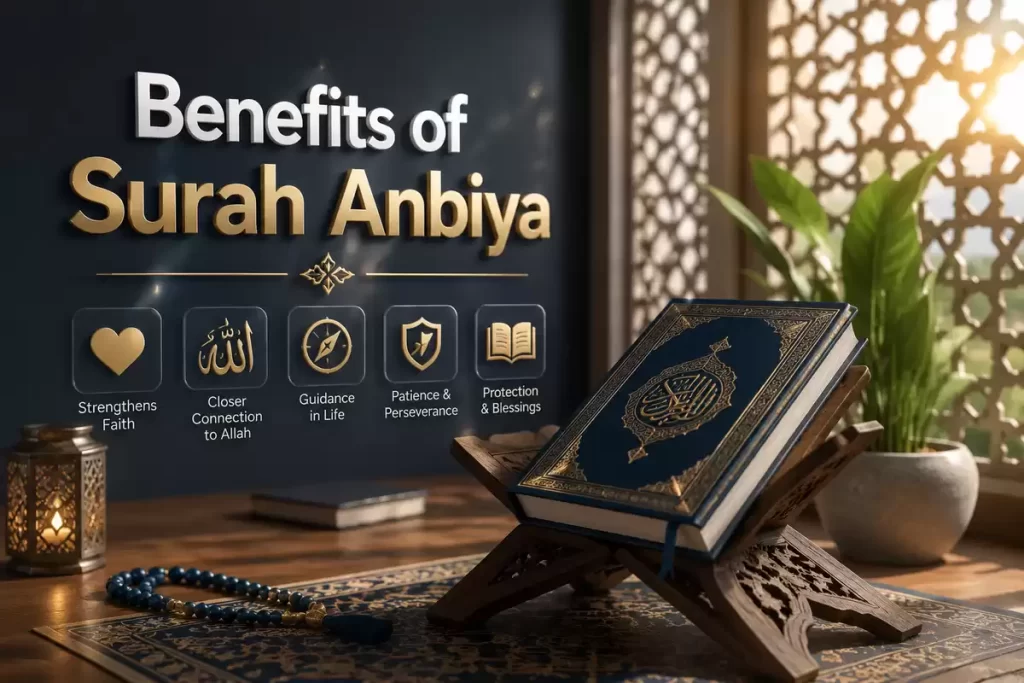
Surah Anbiya, the 21st chapter of the Holy Quran, offers profound spiritual and practical benefits of Surah Anbiya that guide believers through life’s challenges and deepen their connection with Allah. This Meccan Surah, named “The Prophets,” recounts the stories of numerous prophets, highlighting their unwavering faith, struggles, and ultimate triumph through divine intervention. Understanding the spiritual advantages of this Surah allows us to draw timeless lessons on patience, reliance on God, and the universal message of monotheism, enriching our spiritual journey and providing solace in times of need. The benefits of Surah Anbiya are truly transformative for believers.
What is Surah Anbiya and Its Historical Context?
Surah Anbiya is the 21st chapter of the Quran, revealed in Mecca during a period of intense persecution for the early Muslims. It focuses on the stories of various prophets to affirm monotheism and the unity of their message. This Surah was revealed at a critical juncture when the Prophet Muhammad (peace be upon him) and his followers faced severe opposition from the Quraish, who rejected his message and mocked the concept of prophethood.
The Surah’s primary purpose was to console the Prophet, strengthen the faith of the believers, and warn the disbelievers by presenting historical evidence of Allah’s consistent dealings with nations who rejected His messengers. It powerfully illustrates that all prophets, from Adam to Muhammad, delivered the same fundamental message: the oneness of Allah and the call to worship Him alone.
Understanding this historical context highlights the many benefits of Surah Anbiya, offering deep spiritual reassurance and guidance. For instance, reflecting on the struggles of the early Muslims helps contemporary believers realize that challenges to faith are not new, and that steadfastness, as exemplified by the prophets, is key to overcoming them.
قال الله تعالى: «وَمَا أَرْسَلْنَا قَبْلَكَ إِلاَّ رِجَالاً نُّوحِي إِلَيْهِمْ فَاسْأَلُواْ أَهْلَ الذِّكْرِ إِن كُنتُمْ لاَ تَعْلَمُونَ» (سورة الأنبياء 21:7).
Allah says: “And We did not send you before, except men to whom We revealed, so ask the people of knowledge if you do not know.” (Surah Al-Anbiya 21:7).
How Surah Anbiya Deepens Our Connection with Allah
How can a single chapter of the Quran profoundly deepen your connection with Allah? This Surah achieves it by presenting powerful narratives of prophets who exemplified unwavering faith and reliance on divine assistance, thereby reinforcing your trust and devotion.
This chapter serves as a spiritual compass, guiding believers through life’s complexities by showcasing how previous generations navigated trials with steadfastness and prayer. Understanding the profound benefits of Surah Anbiya extends to every aspect of a believer’s spiritual life, fostering a stronger, more intimate relationship with the Creator.
Practical Reflection: When faced with a personal dilemma, you can reflect on how Prophet Ibrahim (Abraham) relied on Allah during his trials, inspiring a similar reliance and trust in divine wisdom for your own situation.
1. The Power of Dua (Supplication) in Times of Distress
This Surah vividly illustrates the profound effectiveness of prayer, particularly during moments of extreme hardship and distress, through the compelling narratives of the prophets. These stories serve as powerful reminders that sincere supplication is a direct means of seeking Allah’s intervention and mercy, even when all worldly avenues seem closed.
The Supplication of Prophet Yunus (Peace Be Upon Him):
“There is no deity except You; exalted are You. Indeed, I have been of the wrongdoers.” (Surah Anbiya 21:87)
- Seeking Deliverance: This verse stands as a prime example of seeking forgiveness and deliverance in the direst circumstances.
- Healing & Relief: When facing a severe illness, you can emulate Prophet Ayub’s (Job’s) persistent supplication, turning to Allah with unwavering faith for relief and healing.
2. Reflection on Allah’s Omnipotence Through Creation
This chapter consistently directs our attention to the intricate wonders of creation, inspiring awe and reinforcing our belief in Allah’s boundless power and wisdom. It emphasizes that the universe operates with precision and purpose, a testament to a single, all-powerful Creator, rather than a chaotic coincidence.
- Origin of Life: Surah Anbiya verse 30 speaks about the heavens and the earth being joined together before being separated, and how all living things were made from water.
- Daily Mindful Action: Take a moment to observe the orderly movement of celestial bodies or the life-giving properties of water, consciously connecting these observations to Allah’s continuous sustenance and intelligent design.
3. Understanding the Unity of the Prophetic Message
This Surah powerfully emphasizes that all prophets, despite appearing in different times and places, conveyed the same fundamental message of monotheism (Tawheed) and submission to the One God. This recurring theme dispels any notion of disparate religions, instead presenting a unified divine revelation throughout history.
The Chain of Prophethood:
Prophets such as Nuh, Ibrahim, Lut, Ishaq, Yaqub, Musa, Harun, Dawud, Sulayman, Ilyas, and Isa (peace be upon them all) are mentioned, each calling their people to worship Allah alone and to live righteously.
When encountering different religious traditions, recalling this unified message helps you recognize the single common thread of worshipping Allah alone that runs through all authentic divine revelations.
4. Fostering a Merciful and Gentle Character
The narratives within Surah Anbiya serve as powerful lessons in developing a merciful, patient, and gentle character, reflecting the exemplary conduct of the prophets. By observing their responses to adversity, rejection, and personal trials, believers learn the importance of perseverance, forgiveness, and compassion.
- True Strength: The prophets’ lives illustrate that real power lies not in aggression, but in steadfastness, reliance on Allah, and treating others with kindness.
- Conflict Resolution: When faced with a difficult interpersonal conflict, reflecting on Prophet Ibrahim’s unwavering patience and gentle approach towards his father’s opposition can inspire a similarly compassionate response.
قال الله تعالى: «إِنَّهُمْ كَانُوا يُسَارِعُونَ فِي الْخَيْرَاتِ وَيَدْعُونَنَا رَغَبًا وَرَهَبًا وَكَانُوا لَنَا خَاشِعِينَ» (سورة الأنبياء 21:90).
Allah says: “Indeed, they used to hasten to good deeds and supplicate Us in hope and fear, and they were to Us humbly submissive.” (Surah Al-Anbiya 21:90).
When is the Best Time to Recite Surah Anbiya?
While any time is virtuous for reciting this chapter, certain periods and circumstances enhance its spiritual advantages and impact, allowing believers to maximize their spiritual gain. The Quran is a source of guidance and solace at all times, but aligning our recitation with specific moments can deepen our reflection and connection to its message.
Understanding these optimal times helps integrate the profound benefits of Surah Anbiya more effectively into daily life, transforming routine recitation into a deeply meaningful act of worship and contemplation.
1. Recommended Times for Daily Recitation
Integrating this chapter into daily routines can significantly enhance your spiritual well-being and provide continuous guidance. While there are no strictly prescribed hours, certain periods are particularly conducive to reflection and devotion:
- After Fajr Prayer: Reciting at dawn sets a serene and positive tone for the entire day, filling the heart with the remembrance of Allah and the inspiring legacy of His prophets.
- Before Sleeping: Engaging with this Surah before bed provides a deep sense of peace and spiritual protection, allowing you to reflect on its powerful lessons before rest.
Practical Tip: Dedicate 10 to 15 minutes right after Fajr to recite a portion of this chapter, focusing closely on the meaning of the verses to start your day with rich spiritual nourishment.
2. Special Occasions for Reflecting on Its Verses
Beyond daily recitation, there are specific moments and life situations where reflecting on the verses of this chapter becomes uniquely impactful:
- Seeking Guidance: When facing difficult life decisions, the stories of the prophets’ complete reliance on Allah offer remarkable clarity, wisdom, and inner strength.
- Standing Against Injustice: During times of oppression or unfairness, contemplating the ultimate triumph of the prophets over their adversaries instills firm hope and patience.
- Contemplating Nature: When observing the vastness of creation, the Surah’s verses on Allah’s absolute power deepen one’s awe and reverence.
Example Application: If you are facing a pivotal decision, read the accounts of prophets like Musa (Moses) and their unwavering trust in divine guidance to help inform your own path.
3. The Virtue of Reciting During Difficulties
This Surah holds immense virtue as an unfailing source of comfort and strength during trials and tribulations, offering true solace through the lived experiences of the prophets:
- Spiritual Refuge: When confronted with personal hardships, physical illness, or overwhelming life challenges, turning to this chapter offers profound reassurance.
- Emulating the Prophets: The narratives of Ayub (Job) and Yunus (Jonah)—who endured immense suffering yet found divine relief through steadfast faith and supplication—serve as timeless reminders of Allah’s mercy and responsiveness.
Actionable Advice: When experiencing emotional or personal distress, make a conscious effort to recite this chapter while focusing specifically on the supplications (duas) of the prophets to strengthen your reliance on Allah and find deep comfort.
قال النبي ﷺ: «مَنْ قَرَأَ حَرْفًا مِنْ كِتَابِ اللَّهِ فَلَهُ بِهِ حَسَنَةٌ، وَالْحَسَنَةُ بِعَشْرِ أَمْثَالِهَا» (جامع الترمذي).
The Prophet ﷺ said: “Whoever recites a letter from the Book of Allah will receive one good deed, and the good deed is multiplied by ten.” (Jami` at-Tirmidhi).
Common Misconceptions About the Benefits of Surah Anbiya
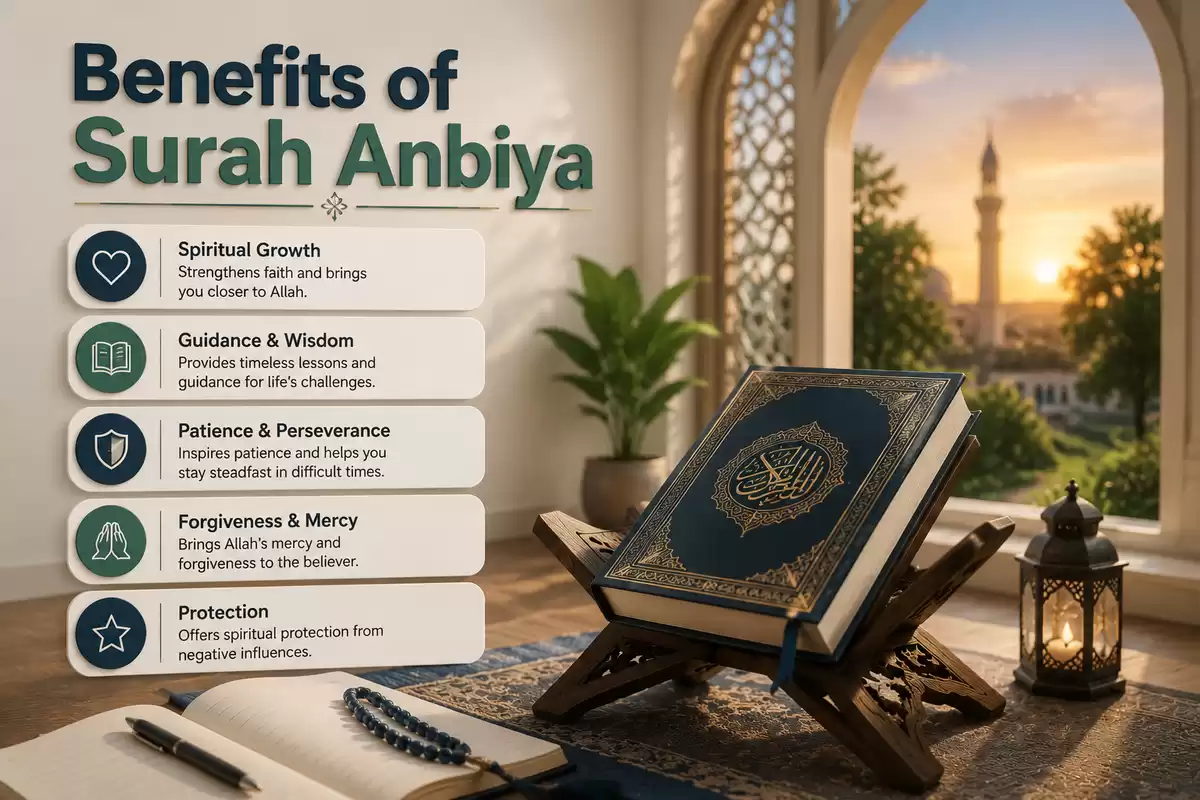
It is crucial to clarify and correct prevalent misunderstandings and exaggerated claims regarding the benefits of Surah Anbiya, ensuring that believers approach the Quran with authentic knowledge and realistic expectations.
Many popular beliefs, while well-intentioned, often lack a basis in sound Islamic teachings, leading to misinterpretations. Addressing these misconceptions is vital for maintaining the integrity of Islamic practice and fostering a deeper, more accurate understanding of the Surah’s true spiritual value.
1. Clarifying Misinterpretations of Specific Verses
Certain verses within this chapter are sometimes taken out of context or misinterpreted, leading to inaccurate understandings of their true meaning and practical application:
- The Dua of Prophet Yunus (Verse 87): While highly powerful for seeking relief from distress, it is sometimes mistakenly treated as a “magical incantation” for instant solutions, rather than a profound prayer of repentance and reliance on Allah.
- Core Spiritual Value: The true strength of this verse lies in the sincerity of the supplication, true humility, and the lessons learned from Prophet Yunus’s journey.
Key Takeaway: Avoid treating sacred supplications as mere mathematical formulas. Instead, strive to embody the genuine repentance, humility, and trust in Allah that the prophets demonstrated.
2. Distinguishing Authentic Benefits from Cultural Beliefs
A significant challenge in recognizing the genuine spiritual advantages of this Surah is separating authentic teachings supported by the Quran and Sunnah from cultural folklore:
| Aspect | Authentic Practice | Cultural Belief / Folklore |
| Foundation | Rooted directly in the Quran and authentic Hadiths. | Originates from regional traditions and unverified stories. |
| Example | Reciting for general guidance, reflection, and spiritual tranquility. | Claiming specific outcomes like reciting exclusively for pregnancy without textual proof. |
| Focus | Building faith, patience, and character. | Expecting guaranteed, highly specific worldly results. |
Always verify the source of any claimed benefit to ensure it aligns with authentic Islamic sources rather than unsubstantiated cultural habits.
3. Addressing the Exaggeration of Rewards
It is important to caution against claims of disproportionate or unsubstantiated rewards for reciting this chapter, as such exaggerations can detract from the true spiritual purpose of engaging with the Quran:
- Spiritual vs. Material Focus: The primary rewards promised in the Quran are spiritual—leading to increased piety, deeper understanding, and closeness to Allah—rather than automatic worldly gains.
- Action & Sincerity: Transformation occurs through sincere reflection and implementing the Surah’s moral teachings in daily life, not through passive recitation alone.
Mindset Shift: Instead of expecting automatic material success solely from recitation, focus on how the lessons of Surah Anbiya inspire you to work diligently, act ethically, and rely on Allah in all your affairs.
How does the Arabian Tongue shape your journey of learning the Quran and Arabic?
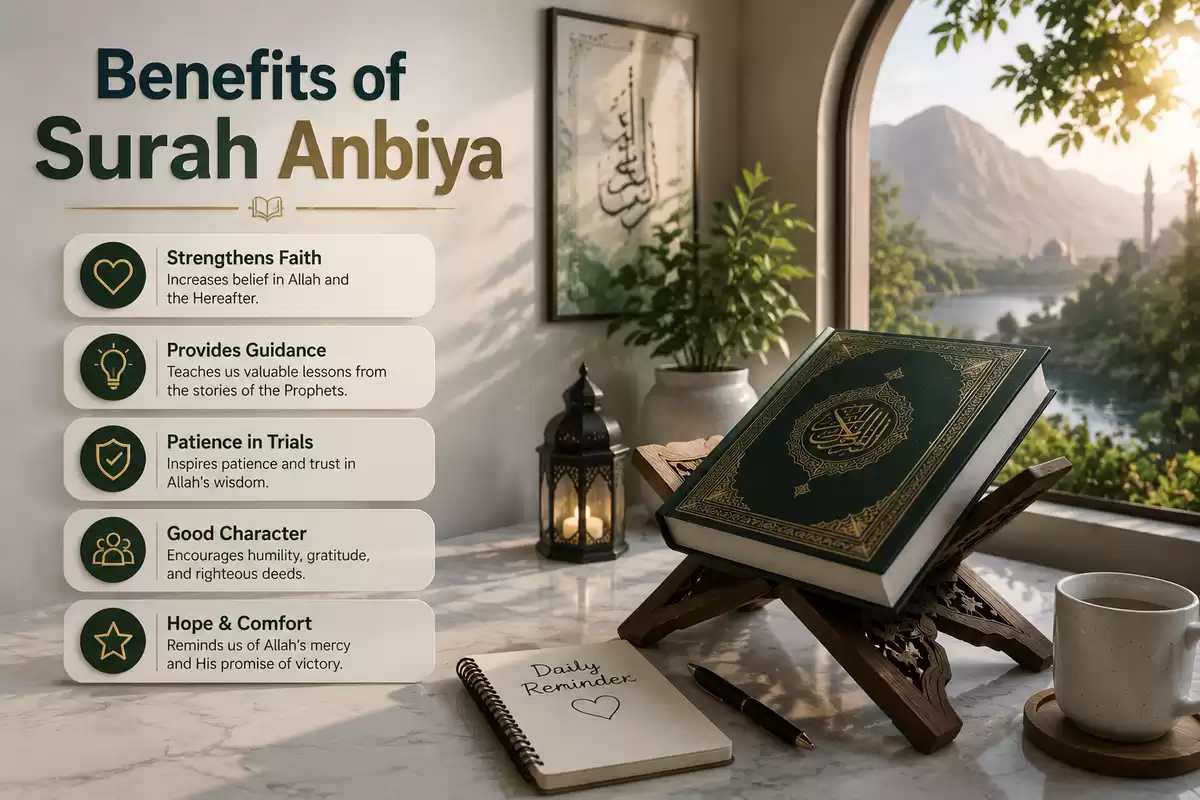
At Arabian Tongue, we help you understand the Quran deeply and connect with its meanings through simple and effective teaching methods. Our courses are designed to make your learning journey clear, engaging, and spiritually enriching.
Guidance from the Quran and Hadith
قال الله تعالى: «فَاسْتَجَبْنَا لَهُ فَكَشَفْنَا مَا بِهِ مِن ضُرٍّ» (سورة الأنبياء 21:84).
Allah says: “So We responded to him and removed what afflicted him of adversity.” (Surah Al-Anbiya 21:84).
قال النبي ﷺ: «الدُّعَاءُ هُوَ الْعِبَادَةُ» (جامع الترمذي).
The Prophet ﷺ said: “Supplication is worship.” (Jami` at-Tirmidhi).
FAQs:
What are the main themes covered in Surah Anbiya?
Surah Anbiya focuses on the unity of the prophetic message, emphasizing Tawheed and the worship of Allah alone. It also highlights Allah's omnipotence in creation, the certainty of judgment, and the ultimate triumph of truth.
How does Surah Anbiya strengthen a believer's faith?
It presents powerful narratives of prophets who remained steadfast and relied entirely on Allah through intense trials. These accounts demonstrate divine intervention and support, reinforcing unwavering trust and conviction in Allah's wisdom
Can reciting Surah Anbiya help during personal difficulties?
Yes, engaging with this Surah brings immense spiritual solace and inner peace during times of hardship and distress. It highlights the profound benefits of Surah Anbiya through the prophets' supplications, offering a roadmap for turning to Allah in prayer.
What is the significance of the story of Prophet Yunus in Surah Anbiya?
His narrative illustrates the transformative power of sincere repentance and complete reliance on Allah in hopeless moments. His famous prayer from the belly of the whale serves as a timeless lesson in humility and faith in divine deliverance
Are there any specific times recommended for reciting Surah Anbiya?
While no specific time is strictly mandated in authentic Hadiths, reciting it during reflection or trials is highly beneficial. Engaging with its verses after Fajr prayers or before sleep provides deep spiritual nourishment and daily clarity.