
Imagine a moment of complete peace, when the world is asleep, and you rise in the quiet of the night to whisper your deepest prayers. Tahajjud is that magical night prayer that awakens the soul, brings you closer to Allah, and fills your heart with serenity and hope. It is not just a ritual, but a powerful way to strengthen your faith, seek guidance, and experience a spiritual connection unlike any other. Discover how embracing tahajjud can transform your nights and uplift your spirit.
Meaning of Tahajjud linguistically and in Islam
The term “tahajjud” holds deep significance in both linguistic and religious contexts. Tahajjud, derived from the Arabic root “ح ج ج” meaning to rise at night, refers to voluntary prayers performed during the last third of the night, a time the Prophet ﷺ described as when prayers are most likely to be answered. Often linked to qiyam al-layl, it is more than a ritual; it is a personal, quiet connection with Allah that demands self-discipline and perseverance, as it requires leaving the comfort of sleep for devotion. Understanding its linguistic and spiritual depth reveals why tahajjud has been one of the most cherished acts of worship since the time of the Prophet ﷺ.
Timing of the tahajjud prayer

Tahajjud time begins after the last third of the night and continues until Fajr, with this window considered the most spiritually rewarding due to the calm atmosphere and heightened divine mercy. Unlike Fajr, which is an obligatory prayer marking the start of the day, tahajjud is a voluntary act of worship performed before dawn, a distinction that is important to understand. Those new to the practice can use prayer schedule apps to determine the exact time, and the Prophet ﷺ encouraged starting small and building consistency, even if it means just a few minutes of prayer each night.
Number of rak‘ahs and how to perform tahajjud?
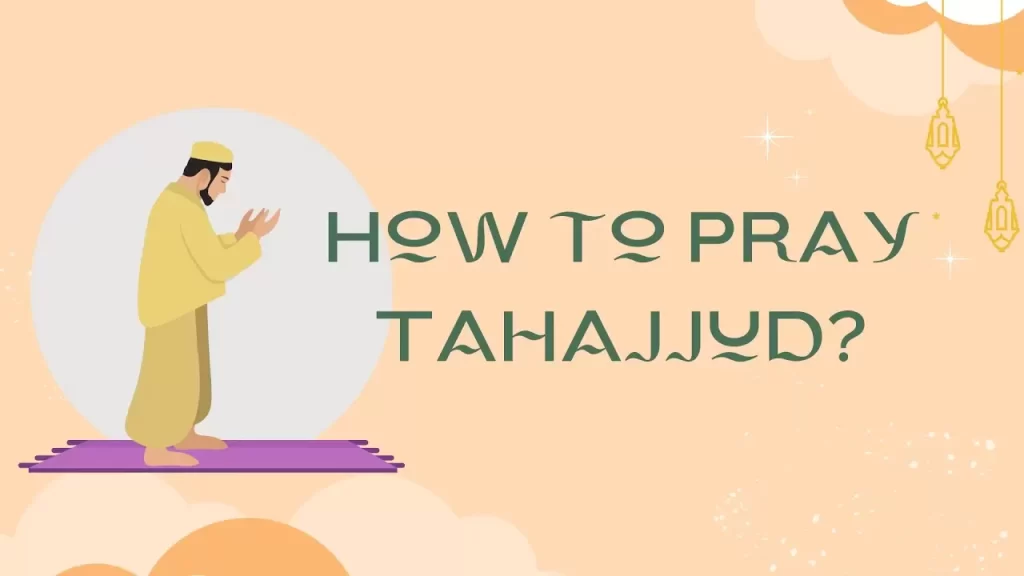
Tahajjud has no fixed number of rak’ahs — the Prophet ﷺ performed anywhere from two to twelve, making it flexible enough for every level of devotion. What matters most is sincerity and consistency.
How to Perform Tahajjud:
- Wake up during the last third of the night and perform wudu.
- Make the intention in your heart that this prayer is for the sake of Allah.
- Begin with two rak’ahs, reciting Surah Al-Fatiha and any verses from the Quran.
- Add more rak’ahs as you wish — four, six, or more based on your capacity.
- Conclude with a sincere dua, asking Allah for forgiveness, guidance, and blessings.
The Prophet ﷺ emphasized that purity of heart and sincerity are the soul of this prayer, and that even starting small and building gradually is far better than never beginning at all.
Virtues and rewards of tahajjud prayer
The benefits of Tahajjud extend far beyond the night itself — from forgiven sins and answered prayers to intercession on the Day of Judgment, it is one of the most rewarding acts of worship a Muslim can commit to.
- Prayers Are Most Likely to Be Answered: The last third of the night is when Allah’s mercy is at its closest, making every dua made during Tahajjud carry extraordinary weight.
- Forgiveness of Sins: Rising from sleep to worship Allah is a powerful act of repentance that opens the door to His mercy and forgiveness.
- Intercession on the Day of Judgment: The Prophet ﷺ narrated that those who pray Tahajjud regularly will be granted his intercession, shielding them from the trials of the Hereafter.
- Spiritual Clarity and Peace: The stillness of the night creates a sanctuary for the soul, allowing the believer to reflect, realign, and reconnect with Allah away from daily distractions.
- Builds Discipline and Resilience: Waking up consistently for Tahajjud cultivates patience and self-control that carry over into every aspect of life.
- Personal Growth and Barakah: Regular Tahajjud transforms the believer from the inside, bringing blessings into their time, health, and daily pursuits.
“وَمِنَ اللَّيْلِ فَتَهَجَّدْ بِهِ نَافِلَةً لَّكَ عَسَى أَنْ يَبْعَثَكَ رَبُّكَ مَقَامًا مَّحْمُودًا”
(الإسراء: 79)
“And from [part of] the night, pray with it as an additional prayer for you; it is expected that your Lord will resurrect you to a praised station.”
(Quran 17:79)
Recommended supplications during tahajjud
The Prophet ﷺ encouraged sincere supplications during Tahajjud, emphasizing that Allah is closest to His servant in these sacred hours. Here are some of the most beloved duas to recite:
- Dua for Forgiveness — «اللَّهُمَّ إِنَّكَ عَفُوٌّ تُحِبُّ الْعَفْوَ فَاعْفُ عَنِّي» — “O Allah, You are Forgiving, and You love forgiveness, so forgive me.”
- Dua for This Life and the Hereafter — «رَبَّنَا آتِنَا فِي الدُّنْيَا حَسَنَةً وَفِي الْآخِرَةِ حَسَنَةً وَقِنَا عَذَابَ النَّارِ» — “Our Lord, grant us good in this world and good in the Hereafter, and protect us from the punishment of the Fire.”
- Dua of Glorification — «سُبْحَانَ اللَّهِ، وَالْحَمْدُ لِلَّهِ، وَلَا إِلَهَ إِلَّا اللَّهُ، وَاللَّهُ أَكْبَرُ» — “Glory be to Allah, praise be to Allah, there is no god but Allah, and Allah is the Greatest.”
- Dua for Knowledge and Sustenance — «اللَّهُمَّ إِنِّي أَسْأَلُكَ عِلْمًا نَافِعًا وَرِزْقًا وَاسِعًا وَشِفَاءً مِنْ كُلِّ دَاءٍ» — “O Allah, I ask You for beneficial knowledge, abundant sustenance, and healing from all diseases.”
Common mistakes in performing tahajjud
While Tahajjud is deeply rewarding, many Muslims fall into habits that quietly diminish its impact. Here are the most common mistakes to avoid:
- Praying Too Early Tahajjud should be performed in the last third of the night — not right after Isha. Use a prayer app to determine the exact window.
- Rushing Through Wudu Sleepiness is not an excuse for incomplete wudu. Perform it slowly and mindfully, as it is the foundation of every valid prayer.
- Praying Without Intention Before starting, set a clear niyyah in your heart. Without sincere intention, the prayer loses much of its spiritual weight.
- Too Few or Too Many Rak’ahs Start with two rak’ahs and build gradually. Rushing through too many rak’ahs without focus is worse than fewer done with the presence of heart.
- Neglecting Quran Recitation: Avoid reciting too fast or too mechanically. Short, meaningful Surahs like Al-Ikhlas and Al-Mulk are ideal for Tahajjud.
- Skipping Dua After Prayer The dua after Tahajjud is where the real conversation with Allah happens. Do not end the prayer without raising your hands and speaking from the heart.
- Giving Up Too Soon. Fatigue is normal in the beginning. Start small, take a short nap before Tahajjud if needed, and remember — even two sincere rak’ahs are infinitely better than none.
- Treating It as a Routine Tahajjud is not a box to tick. Approach it with reflection, gratitude, and awareness that you are standing before Allah while the world sleeps.
How does the Arabian Tongue shape your journey of learning the Quran and Arabic?
At Arabian Tongue, we help you understand the Quran deeply and connect with its meanings through simple and effective teaching methods. Our courses are designed to make your learning journey clear, engaging, and spiritually enriching.
Guidance from the Quran and Hadith
“أَقِمِ الصَّلَاةَ لِدُلُوكِ الشَّمْسِ إِلَى غَسَقِ اللَّيْلِ وَقُرْآنَ الْفَجْرِ ۖ إِنَّ قُرْآنَ الْفَجْرِ كَانَ مَشْهُودًا”
(الإسراء: 78)الإنجليزي:
“Establish prayer at the decline of the sun until the darkness of the night and [also] the Qur’an at dawn. Indeed, the recitation of dawn is ever witnessed.”
(Quran 17:78)
قال رسول الله ﷺ:
“أفضل الصلاة بعد الفريضة صلاة الليل”
(رواه مسلم) The Prophet ﷺ said:
“The best prayer after the obligatory prayers is the night prayer (Qiyam al-Layl).”
(Sahih Muslim)
FAQs
When is the best time to pray tahajjud?
The best time for tahajjud is during the last third of the night when Allah descends to the lowest heaven. It can be performed anytime after sleeping, but the last third of the night is the most virtuous.
What is the difference between tahajjud and qiyam al-layl?
Qiyam al-layl refers to any night prayer, whether before or after sleep. Tahajjud is a special type of qiyam al-layl that is performed specifically after sleeping.
What duas are recommended during tahajjud?
A person can supplicate for any good in this world and the Hereafter during tahajjud. Popular supplications include: O Allah, You are Forgiving and love forgiveness, so forgive me, along with sincere and humble prayers.
Is tahajjud obligatory or voluntary?
Tahajjud is a highly recommended voluntary prayer, not obligatory. It is one of the best acts of worship that draws a servant closer to Allah and raises their ranks.