

Abu Bakr As-Siddiq, the first Caliph of Islam and a steadfast companion of Prophet Muhammad (PBUH), stands as a towering figure whose life and leadership laid the foundational principles for the nascent Muslim community. His unwavering faith, profound wisdom, and unparalleled devotion to the Prophet shaped the early trajectory of Islam, establishing precedents for governance, justice, and spiritual guidance. Understanding his contributions is essential for grasping the historical and spiritual underpinnings of Islamic civilization, offering timeless lessons for contemporary societies. His legacy continues to inspire millions worldwide.
Who Was Abu Bakr As-Siddiq?
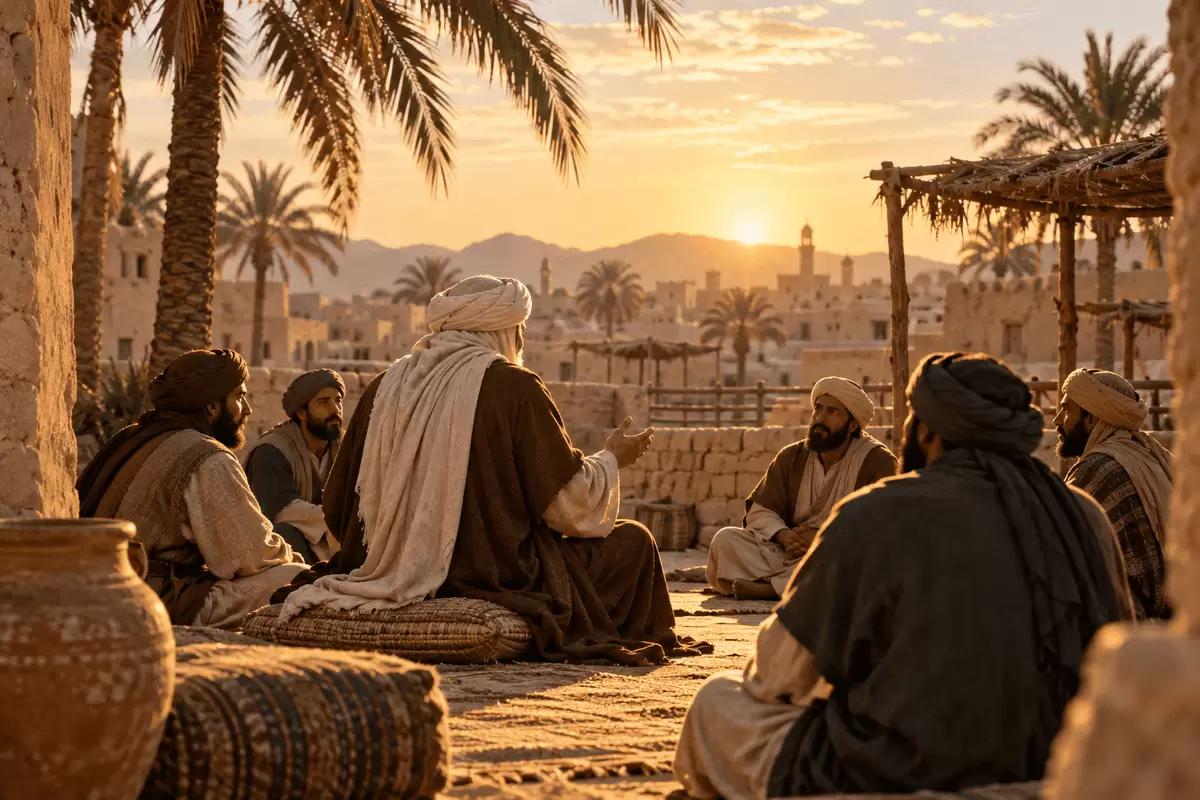
This central figure in early Islamic history was known for his deep piety and unwavering loyalty to Prophet Muhammad. Born Abdullah ibn Abi Quhafah, he hailed from the Banu Taym clan of the Quraysh tribe in Mecca, a respected lineage that afforded him influence and credibility. Before Islam, he was a successful merchant, renowned for his integrity and fair dealings, qualities that earned him respect among his peers. His life took a transformative turn with the advent of Islam, marking him as one of the earliest and most devoted followers of the Prophet.
Early Life and Conversion to Islam
His early life was characterized by a reputable standing in Meccan society:
- He was a close friend of Prophet Muhammad even before prophethood, sharing a bond of trust and mutual respect.
- When Prophet Muhammad first revealed his message, his acceptance of Islam is notable for its immediate and unquestioning nature.
- He did not hesitate to embrace the new faith, becoming one of the first adult males to convert.
This swift acceptance underscored his profound belief in the Prophet’s truthfulness and the divine nature of his message.
His Unwavering Support for Prophet Muhammad (PBUH)
Throughout Prophet Muhammad’s mission, Abu Bakr As-Siddiq demonstrated unparalleled support and sacrifice:
- He stood by the Prophet during the most challenging times, offering both material wealth and personal protection.
- A pivotal moment illustrating his devotion was the Hijra, the migration from Mecca to Medina.
- During this perilous journey, he and the Prophet in the cave of Thawr sought refuge from their pursuers, a testament to his courage and steadfast companionship.
His unwavering loyalty earned him the title “As-Siddiq,” meaning “The Truthful” or “The Verifier,” for his immediate affirmation of the Prophet’s miraculous Night Journey (Isra and Mi’raj). This is why he is called As-Siddiq.
قال الله تعالى:﴿إِلَّا تَنصُرُوهُ فَقَدْ نَصَرَهُ اللَّهُ إِذْ أَخْرَجَهُ الَّذِينَ كَفَرُوا ثَانِيَ اثْنَيْنِ إِذْ هُمَا فِي الْغَارِ إِذْ يَقُولُ لِصَاحِبِهِ لَا تَحْزَنْ إِنَّ اللَّهَ مَعَنَا﴾
(سورة التوبة 9:40)Allah says: “If you do not aid him, Allah has already aided him when those who disbelieved had driven him out as one of two, when they were in the cave and he said to his companion, ‘Do not grieve; indeed Allah is with us.’”
(Surah At-Tawbah 9:40)
How Does Abu Bakr As-Siddiq’s Caliphate Compare to Later Islamic Leadership?

The Caliphate of Abu Bakr As-Siddiq, though brief, was instrumental in consolidating the nascent Muslim state and setting critical precedents for future Islamic governance. Unlike later caliphates that often saw dynastic succession or significant territorial expansion, his rule was primarily focused on internal stability and the preservation of Islamic unity:
- Focus on Consolidation: His caliphate prioritized internal stability and religious unity over rapid territorial expansion.
- Direct Religious Authority: He maintained a direct connection to the Prophet’s teachings, acting as a guardian of the faith.
- Emphasis on Consultation (Shura): Decisions were often made after consulting with leading companions, establishing a precedent for collective leadership.
- Modest Lifestyle: He maintained a simple, austere lifestyle, setting an example of humility for future rulers.
- Compilation of the Quran: He initiated the crucial project of compiling the Quran, safeguarding the divine text.
He faced immediate and severe challenges, including the Ridda wars, which were campaigns against tribes that apostatized after the Prophet’s death. His decisive leadership in these conflicts ensured the survival of Islam and the integrity of the Muslim community. This first caliph of Islam established a strong foundation.
Similarities and Differences with Umar ibn al-Khattab’s Rule
Comparing his leadership with that of his successor, Umar ibn al-Khattab, reveals both continuity and divergence:
- While he focused on consolidating the Muslim state internally, Umar’s caliphate was marked by unprecedented military expansion and the establishment of sophisticated administrative structures.
- His rule laid the groundwork for a unified Muslim identity, whereas Umar built upon this foundation to create a vast empire.
Both, however, shared a deep commitment to justice, piety, and the welfare of the Muslim community, upholding the principles of Islamic governance.
The Foundation for Subsequent Islamic Dynasties
The achievements of this leader during his caliphate were foundational, establishing principles that would influence subsequent Islamic dynasties for centuries:
- His successful suppression of the apostasy movements ensured the political and religious cohesion necessary for the future growth of Islam.
- Furthermore, his initiation of the compilation of the Quran was a monumental task that preserved the holy scripture for all generations.
- The administrative framework, including the establishment of a public treasury (Bayt al-Mal), also set a precedent for managing state finances in an Islamic context.
This first caliph of Islam truly shaped the future.
قال النبي ﷺ:«لَوْ كُنْتُ مُتَّخِذًا خَلِيلًا مِنْ أُمَّتِي لَاتَّخَذْتُ أَبَا بَكْرٍ، وَلَكِنْ أُخُوَّةُ الْإِسْلَامِ وَمَوَدَّتُهُ»
(صحيح البخاري وصحيح مسلم)
The Prophet ﷺ said: “If I were to take a close friend from my Ummah, I would have taken Abu Bakr, but there is the brotherhood and affection of Islam.”
(Sahih al-Bukhari and Sahih Muslim)
What Lessons Can We Learn from Abu Bakr As-Siddiq Today?
The life and leadership of Abu Bakr As-Siddiq offer profound lessons that remain highly relevant for individuals and communities in the modern era. His unwavering faith, courage in the face of adversity, and commitment to justice provide a powerful example of principled leadership:
- Integrity and Honesty: His reputation as “As-Siddiq” underscores the timeless value of truthfulness in all dealings.
- Resilience in Crisis: His leadership during the Ridda wars demonstrates the importance of steadfastness when facing existential threats.
- Humility in Power: Despite being the first Caliph, he maintained a simple lifestyle, emphasizing service over personal gain.
- Commitment to Justice: His rulings were always guided by Islamic principles of fairness and equity for all.
- Community Building: He prioritized the unity and welfare of the Muslim community above all else, fostering cohesion.
The challenges he overcame, from unifying a fractured community to preserving the sacred text, highlight the importance of resilience and steadfastness. These lessons from his life can inspire contemporary efforts in community building, ethical governance, and personal spiritual growth. His achievements and biography are a testament to his enduring impact.
Leadership Principles for Modern Muslim Communities
His approach to governance provides a blueprint for leadership principles applicable to modern Muslim communities:
- His emphasis on consultation (shura) in decision-making, his commitment to justice for all citizens regardless of status, and his personal humility set a high standard.
- Leaders today can draw inspiration from his example to foster inclusive environments, make ethical decisions, and prioritize the well-being of their constituents.
For instance, a modern community leader might implement regular open forums for community input, mirroring his consultative approach to ensure decisions reflect collective wisdom. His quotes often reflect his deep sense of responsibility and accountability to God and the people.
The Importance of Steadfastness in Faith
One of the most enduring lessons from this great companion is the paramount importance of steadfastness in faith:
- His immediate acceptance of Islam, his unwavering support for Prophet Muhammad during persecution, and his firm resolve during the apostasy wars exemplify an unshakeable belief.
- In an age of constant change and uncertainty, his example reminds us that a strong spiritual foundation can provide the resilience needed to navigate challenges and maintain moral clarity.
This steadfastness was not merely passive belief but active commitment and sacrifice. For example, when facing personal or communal challenges, reflecting on his unwavering stance during the Ridda wars can provide a model for maintaining conviction and unity.
How does the Arabian Tongue shape your journey of learning the Quran and Arabic?
At Arabian Tongue, we help you understand the Quran deeply and connect with its meanings through simple and effective teaching methods. Our courses are designed to make your learning journey clear, engaging, and spiritually enriching.
Guidance from the Quran and Hadith
قال الله تعالى:﴿إِنَّا نَحْنُ نَزَّلْنَا الذِّكْرَ وَإِنَّا لَهُ لَحَافِظُونَ﴾
(سورة الحجر 15:9)Allah says: “Indeed, it is We who sent down the Reminder, and indeed, We will be its guardian.”
(Surah Al-Hijr 15:9)قال النبي ﷺ:«اقْتَدُوا بِاللَّذَيْنِ مِنْ بَعْدِي: أَبِي بَكْرٍ وَعُمَرَ»
(جامع الترمذي، وصححه أو حسنه عدد من أهل العلم)The Prophet ﷺ said: “Follow those two after me: Abu Bakr and Umar.”
(Jami` at-Tirmidhi; authenticated or graded hasan by several scholars)
FAQs:
What is the meaning of As-Siddiq?
As-Siddiq means The Truthful or The Verifier. This epithet was bestowed upon Abu Bakr due to his immediate and unwavering belief in Prophet Muhammad's claims, particularly the miraculous Night Journey (Isra and Mi'raj), when others doubted. It signifies his profound sincerity and conviction in the truth of Islam.
How did Abu Bakr become the first Caliph?
Abu Bakr became the first Caliph after the death of Prophet Muhammad through a consultative process at Saqifah Bani Sa'idah. The leading companions, including the Ansar (Medinan helpers) and Muhajirun (Meccan emigrants), deliberated and ultimately reached a consensus to elect him as the leader of the Muslim community, recognizing his seniority, wisdom, and close companionship with the Prophet.
Why is Abu Bakr considered a role model in Islam?
Abu Bakr is considered a role model in Islam due to his unparalleled devotion to Islam, unwavering support for Prophet Muhammad, and exemplary leadership during a critical period. His integrity, humility, courage in defending the faith, and commitment to justice set a standard for all Muslims. He is revered for his piety and his pivotal role in preserving the unity of the nascent Muslim state.
What were Abu Bakr's last words?
As Abu Bakr As-Siddiq approached his death, he is reported to have advised his daughter Aisha, Do not be grieved for me, for I am going to meet my Lord. He also instructed Umar ibn al-Khattab on matters of governance and advised him to fear God, emphasizing justice and piety. His final moments reflected his deep faith and concern for the Muslim community.
What was Abu Bakr's relationship with Prophet Muhammad?
Abu Bakr's relationship with Prophet Muhammad was one of profound friendship, deep companionship, and familial ties. He was the Prophet's closest confidant, his father-in-law (through Aisha), and his constant companion in both times of ease and hardship, including the Hijra. Their bond was characterized by mutual love, trust, and unwavering support for their shared mission.